
Plants
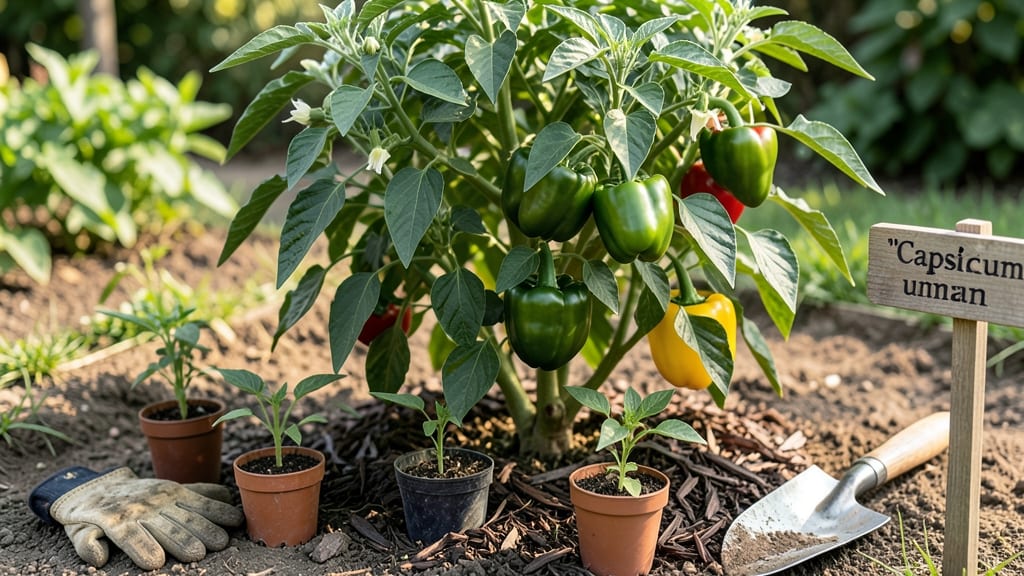
Timing your bell pepper planting in Oregon isn't just about the calendar—it's about mastering the state's microclimates, where coastal fog can delay growth while high-desert valleys bake early. Get the schedule wrong, and you might end up with bitter peppers or no harvest at all.
I've grown 🌶️ peppers across Oregon's diverse regions, and the difference between a thriving garden and a failed attempt often comes down to when you plant.
Whether you're in the Willamette Valley's mild climate or Eastern Oregon's hotter zones, knowing the exact frost-free dates and soil temperature thresholds is your secret weapon for success.
What you're about to discover isn't just planting dates—it's a strategy to maximize your harvest. We'll cover everything from soil prep to companion planting, tailored specifically for Oregon's unique growing conditions. Let's make sure your pepper plants get the perfect start they deserve.
The right timing means the difference between a garden full of sweet, juicy peppers and one that barely produces. I'll show you exactly how to align your planting with Oregon's seasonal rhythms, so you can enjoy that first crisp bite of homegrown goodness all summer long.
Oregon’s best planting windows for bell peppers by region
Oregon’s microclimates create wildly different growing conditions, so the perfect planting window for bell peppers depends entirely on where you garden. Whether you’re in the Willamette Valley, along the coastal fog belt, or in the high desert, timing is everything for avoiding frost and maximizing heat-loving peppers.
Let’s break down the ideal planting dates and soil temperature thresholds for each region.
Bell peppers thrive when soil temperatures stay above 55°F (13°C)—any cooler, and their roots struggle to absorb nutrients. In Oregon, this means waiting until late spring for most areas, but coastal gardeners may need to push planting into early summer.
The key is balancing frost-free dates with heat accumulation—peppers need 75-90 days of warm weather to mature.
Here’s how to align your planting with Oregon’s regional growing seasons:
| Region | Last Frost Date | Ideal Planting Window | Soil Temp Threshold | Notes |
|---|---|---|---|---|
| Willamette Valley | Mid-April to early May | Late May to early June | 55°F+ (13°C+) | Moderate summers; use heat-tolerant varieties like 'Carmen'. |
| Coastal Oregon (e.g., Astoria, Newport) | Early May | Early to mid-June | 60°F+ (16°C+) | Cool summers; extend season with row covers or cold frames. |
| Eastern Oregon (e.g., Bend, La Grande) | Mid-May | Late May to early June | 55°F+ (13°C+) | Hot days, cool nights; plant early for long season. |
| Southern Oregon (e.g., Medford, Ashland) | Late March to early April | Early to mid-April | 60°F+ (16°C+) | Long growing season; can plant twice (spring + fall). |
For Willamette Valley gardeners, aim to plant transplants (not seeds) after the last frost date, typically late May to early June. Start seeds indoors 8-10 weeks before transplanting to ensure they’re ready when soil warms up. Varieties like 'Jupiter' or 'Aristotle' handle Oregon’s moderate summers well.
In coastal Oregon, where summers are cooler, delay planting until June 1-15 and use row covers to protect young plants from chilly nights. The Pacific Ocean’s influence keeps temperatures mild, so peppers may need extra sun exposure and warmth to thrive.
Consider heat-loving varieties like 'Carmen' or 'Gypsy'.
Eastern Oregon offers a shorter but intense growing season. Plant transplants as soon as soil reaches 55°F, usually late May, to take advantage of long daylight hours and hot afternoons. Mulch heavily to retain heat and water, as desert conditions can dry out soil quickly.
Gardeners in Southern Oregon enjoy the longest growing season in the state. You can plant twice: once in early spring (March-April) for summer harvests and again in early summer (July) for fall peppers. This region’s Mediterranean climate allows for year-round gardening with proper planning.
No matter your region, always test soil temperature with a soil thermometer before planting. Peppers are sensitive to cold, and planting too early can stunt growth or invite disease. If your soil isn’t warm enough, start seeds indoors under grow lights or use a heat mat for transplants.
Pro tip: Keep a gardening journal to track your local microclimate quirks. Note when peppers thrive (or fail) in your spot—this helps refine future planting schedules and variety choices for bigger harvests.
How to extend your bell pepper growing season in Oregon
Oregon’s cooler coastal and inland climates can leave gardeners wondering if bell peppers are even worth growing. The good news? With the right strategies, you can extend the growing season by weeks—or even months—and still enjoy a bountiful harvest.
I’ve used these techniques in my own garden to push peppers well beyond their typical summer window.
Start by choosing heat-tolerant varieties like ‘Carmen’ or ‘Jupiter,’ which thrive in Oregon’s unpredictable weather. These varieties handle cooler nights better than standard types, giving you a safety net when temperatures dip unexpectedly. Pair them with season-extending tools to maximize your growing window.
Another key tactic is transplanting later in the season. Instead of rushing to plant in early spring, wait until soil temperatures hit 60°F or above—usually mid-to-late May in most regions.
This simple shift can prevent stunted growth from cold soil while still giving peppers enough time to mature before fall frost.
For gardeners in cooler microclimates like the Willamette Valley or coastal areas, consider starting peppers indoors 8-10 weeks before your last frost date. This head start lets you transplant hardened-off seedlings into the garden as soon as conditions allow, giving them a longer growing season.
Just be sure to harden off plants gradually to avoid shock.
Don’t overlook mulching as a season-extender. A thick layer of straw or wood chips keeps soil warm longer in spring and cooler in summer, reducing temperature swings that stress pepper plants. I’ve found mulch especially helpful in Eastern Oregon’s dry heat, where soil can bake peppers’ roots.
Finally, plan for a fall harvest by planting a second crop in early summer. Choose fast-maturing varieties like ‘Early Cal Wonder’ and use cold frames to protect plants as temperatures drop. With these strategies, you can enjoy homegrown peppers from June through October—or even later in mild years.