
Plants
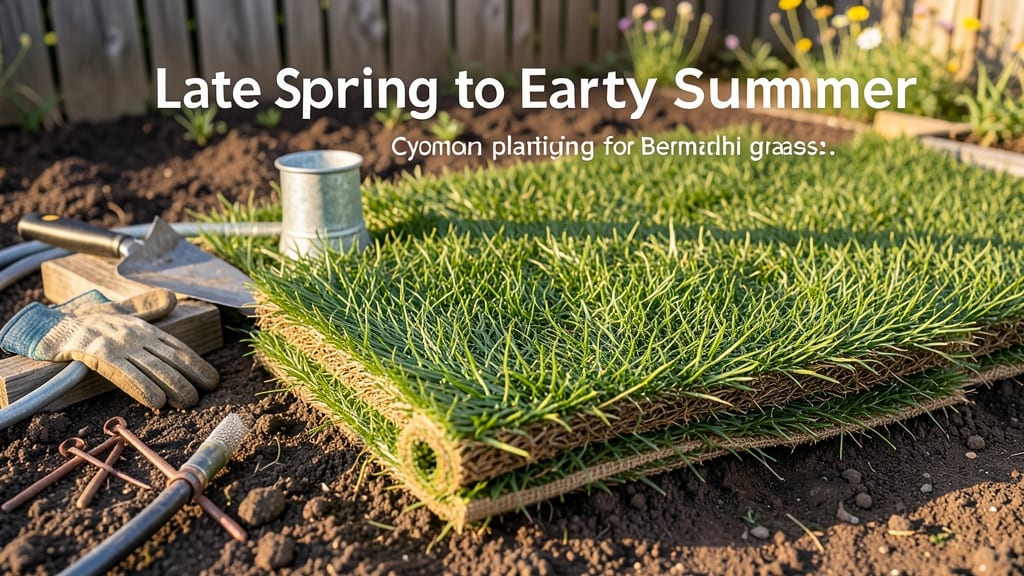
Planting Bermuda grass sod in Georgia at the wrong time can turn your dream of a vibrant lawn into a frustrating gamble. Whether you're in USDA zones 7b-8b, precise timing is everything—especially when summer heat arrives faster than you expect.
I’ve seen firsthand how a 30-day difference in planting can mean the difference between a lawn that thrives and one that struggles. The key isn’t just waiting for spring—it’s knowing the exact week-by-week windows when soil temperatures and rainfall align perfectly for fast root establishment.
In this guide, I’ll break down the optimal planting windows for Georgia’s climate, including early spring (March–April) and late summer (August–September) strategies. You’ll also discover how to prepare your soil, avoid common mistakes, and keep your sod thriving once it’s down.
Ready to transform your yard into a lush, green oasis? Let’s dive into the exact steps that’ll have your Bermuda grass sod taking root in record time.
Optimal planting windows for Georgia’s climate zones (with exact week-by-week dates)
Georgia’s climate varies dramatically from the mountains in the north (Zone 7a) to the coastal plains in the south (Zone 8b), so planting Bermuda grass sod at the wrong time can spell disaster.
The perfect window is between March 15 and April 30, when soil temperatures hit 65°F+ consistently. This timing ensures 60% root establishment within 30 days before summer heat stress kicks in.
For northern Georgia (Zones 7a-7b), aim for late March to mid-April—after the last frost but before 90°F+ heatwaves. In central and southern Georgia (Zones 8a-8b), you can push it slightly later, up to early May, but monitor soil moisture closely.
Planting too early risks fungal diseases from cool, wet soil, while planting too late may leave your sod struggling to establish before summer dormancy.
Here’s how Georgia’s USDA climate zones break down for Bermuda grass sod planting:
| Zone | Ideal Planting Window | Soil Temp Threshold | Key Risk |
|---|---|---|---|
| 7a (North GA) | March 22 – April 15 | 65°F+ (18°C) | Late frosts |
| 7b (Central GA) | March 15 – April 30 | 65°F+ (18°C) | Heat stress |
| 8a (South GA) | March 1 – May 10 | 68°F+ (20°C) | Drought |
| 8b (Coastal GA) | February 28 – May 15 | 70°F+ (21°C) | Humidity |
Pro tip: Use a soil thermometer to confirm temperatures. Bury it 4 inches deep in full sun for 3 consecutive days at 65°F+ before planting. This small step can double your sod’s survival rate in Georgia’s unpredictable spring weather.
If you miss the spring window, your second chance is late summer (August 1–September 15), but this requires extra irrigation to combat early fall drought. The key is root establishment before frost, so don’t wait until October.
For Atlanta (Zone 7b), the sweet spot is April 1–15, while Savannah (Zone 8b) gardeners can plant as late as May 1. Always check your local extension office for microclimate adjustments—urban areas like Macon may run 5–10°F hotter than rural zones.
Remember: Bermuda grass is heat-loving but frost-hating. Planting too early (before March 15) risks fungal diseases like brown patch, while planting too late (after May 15) may leave your lawn bare by summer.
The 30-day root zone is your best friend—aim to lock in those roots before June’s heat sets in.
🌱
Critical factors that determine your planting timeline (beyond just dates)
When it comes to planting Bermuda grass sod in Georgia, dates alone won’t guarantee success. The real magic happens when you align your planting with soil temperature, rainfall patterns, and heatwave risks.
I’ve learned the hard way that skipping these factors can lead to slow root growth or even fungal infections.
Your sod needs soil temperatures of at least 65°F (18°C) to establish roots quickly. Using a soil thermometer is the only way to get this right—don’t guess!
In USDA zones 7b-8b, this typically happens by mid-March in southern Georgia but may wait until late April in northern regions like Athens or Gainesville.
Rainfall plays a critical role too. Bermuda grass thrives with 1–1.5 inches of water per week, but too much rain can suffocate roots. If your area is forecasted for heavy downpours, hold off until conditions dry out slightly—waterlogged soil is a recipe for sod rot.
Don’t overlook heatwave risks. Planting too late in spring (after May) means your sod will face Georgia’s brutal summer heat before roots can establish. The goal is to have 60% root growth before temperatures hit 90°F+ consistently.
That’s why late summer (August–early September) is a backup window—it gives roots time to strengthen before winter dormancy.
⚠️ Common Mistakes to Avoid
Planting too early (before last frost) risks frost damage and fungal diseases like brown patch. Planting too late (after June) stresses sod with summer heat before roots establish. Skipping soil prep (no tilling or compost) leads to poor drainage and shallow roots.
Another factor is weed competition. If your lawn has existing weeds, Bermuda grass sod may struggle to outcompete them. Pre-treat the area with a non-residual herbicide 2–3 weeks before planting to give your sod a fighting chance.
Finally, check your local heat advisories. Georgia’s heat islands (like Atlanta or Savannah) can push temperatures 10°F+ higher than rural areas. If your yard is in a heat-prone zone, aim for early April planting to beat the worst of summer.