
Plants
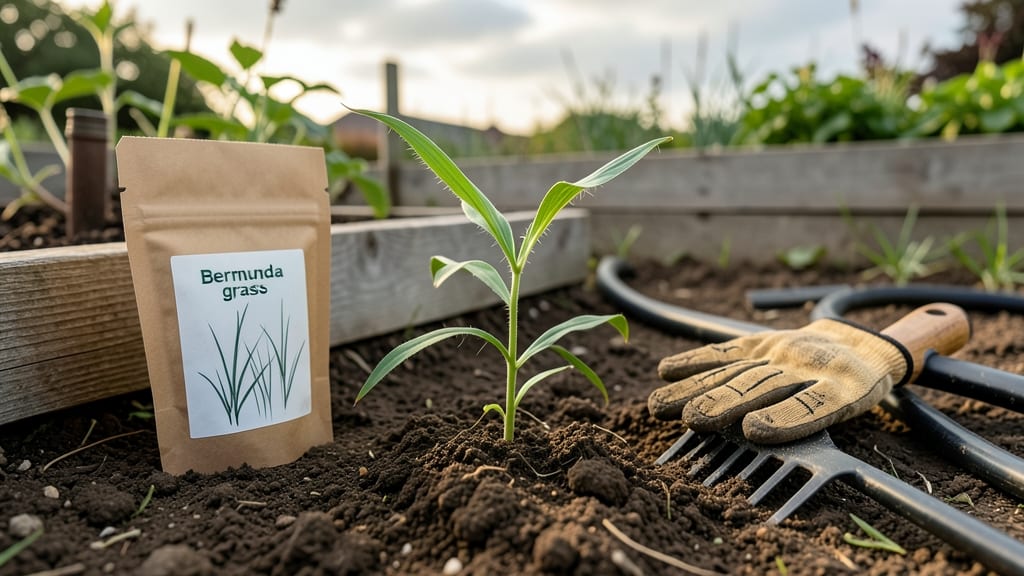
Timing your Bermuda seed planting in Oklahoma isn’t just about avoiding frost—it’s about catching that sweet spot between 65°F soil and the start of summer’s scorching heat. Get it wrong, and you’ll either wait too long for germination or watch your seeds bake before they sprout.
I’ve seen firsthand how a one-week difference can mean the difference between a lush, green lawn and a patchy, struggling yard. The key? Planting between late April and mid-May, once the last frost has passed and the ground has warmed up.
This window ensures your 🌱 Bermuda Grass gets the moisture it needs without battling Oklahoma’s unpredictable spring showers.
But here’s the thing—your location within the state matters. Northern Oklahoma’s 6b zone plays by different rules than Southern Oklahoma’s 8a, where warmer temps arrive earlier.
I’ll break down the exact week-by-week timeline so you know precisely when to hit the ground running (literally) for the fastest, most reliable establishment.
Ready to transform your lawn into a fast-growing, drought-resistant masterpiece? Let’s dive into the science-backed schedule that’ll have your Bermuda Grass thriving in no time.
Optimal planting windows for Bermuda seed in Oklahoma (by region & soil prep)
Timing your Bermuda grass seed planting is critical in Oklahoma’s USDA Zones 6b-8a, where soil temperatures and frost risks vary dramatically. Planting too early can leave seedlings vulnerable to late frosts, while waiting too long risks summer drought stress.
My exact planting window is late April to mid-May, but regional differences demand precision.
Northern Oklahoma (Zones 6b-7a) has a longer frost window, with average last frost dates around March 15. Wait until May 1 to plant—soil must be at least 65°F for germination. Southern Oklahoma (Zones 7b-8a) warms faster, allowing mid-April planting once nighttime temps stay above 55°F consistently.
Soil prep is just as critical. Bermuda thrives in well-draining, slightly acidic soil (pH 6.0-7.5). Test your soil 2 weeks before planting—amend with compost or lime if needed.
Clear debris and loosen the top 2-3 inches to improve seed-to-soil contact. A starter fertilizer (high in phosphorus) at planting boosts root growth.
Moisture control is non-negotiable. Bermuda seed needs consistent moisture to germinate but hates waterlogged soil. After planting, water lightly daily to keep the top inch moist until sprouts appear (7-14 days).
Once seedlings are 2 inches tall, reduce to deep watering 2-3 times per week to encourage deep roots.
Oklahoma’s unpredictable spring rains complicate timing. If heavy rains forecast, delay planting until after the forecast—seed can rot in saturated soil. Use a soil thermometer to confirm 65°F+ temps before seeding. Pro tip: Plant on a cloudy day to reduce seed stress from direct sun.
| Region | USDA Zone | Last Frost Date | Optimal Planting Window | Soil Temp Requirement |
|---|---|---|---|---|
| Northern OK | 6b-7a | March 15 | Late April - May 1 | 65°F+ |
| Central OK | 7a-7b | March 1 | Early April - Late April | 60°F+ |
| Southern OK | 7b-8a | February 15 | Mid-April - Early May | 55°F+ |
Bermuda grass is aggressive once established, but slow to germinate if conditions aren’t perfect. In drought-prone years, prioritize planting in May to avoid summer water shortages.
If you miss the spring window, late summer (August) is a secondary option—just ensure 60 days of warm weather remain for full establishment before frost.
Mulching lightly with straw (not wood chips) after planting retains moisture without smothering seedlings. Avoid heavy mulch—Bermuda needs sunlight to thrive. Once seedlings reach 3 inches tall, thin to 1 inch spacing for a dense lawn. Remember: Patience is key—full coverage takes 3-4 months.
For Oklahoma’s clay-heavy soils, mix in sand or compost to improve drainage. Test soil moisture by gripping a handful—it should crumble easily when dry. If your soil stays clumpy, Bermuda roots will struggle. Pro tip: Use a soil aerator in fall before planting to break up compaction.
Don’t let weeds outcompete your Bermuda. Apply a pre-emergent herbicide 2 weeks before planting to block weed seeds. Once grass is 4 inches tall, switch to a selective herbicide for broadleaf weeds—Bermuda’s density will naturally suppress grassy weeds over time.
Optimal planting windows for Bermuda seed in Oklahoma (by region & soil prep)
Oklahoma’s USDA zones 6b-8a create two distinct planting realities for Bermuda grass. In Northern Oklahoma (6b), where last frost typically lingers until mid-March, your window opens later than in Southern Oklahoma (8a), where frost retreats by early March.
This regional difference means a 2-3 week shift in optimal planting dates—critical for avoiding frost damage or heat stress.
For both regions, the golden rule is planting when soil temperatures hit 65°F+ and stay there. Use a soil thermometer to verify—this is your green light for germination.
In Northern Oklahoma, aim for late April to early May, while Southern Oklahoma can start as early as mid-April if conditions cooperate.
| Region | USDA Zone | Last Frost Date | Optimal Planting Window | Soil Temp Requirement |
|---|---|---|---|---|
| Northern Oklahoma | 6b | Mid-March | Late April - Early May | 65°F+ (consistent) |
| Southern Oklahoma | 8a | Early March | Mid-April - Late April | 65°F+ (consistent) |
| Statewide Tip | Wait until after last frost + soil reaches 65°F | |||
Soil prep is just as critical as timing. Start by removing debris and aerating compacted soil to improve seed-to-soil contact. Bermuda grass thrives in well-draining, slightly acidic soil (pH 6.0-7.0).
Test your soil’s pH—if it’s off, amend with lime (to raise pH) or sulfur (to lower pH) 4-6 weeks before planting. This gives amendments time to work before seeds go in.
Moisture control is your next battle. Bermuda seed needs consistent moisture to germinate, but Oklahoma’s spring can swing from drought to downpours in a week. Use a light mulch (straw or peat moss) to retain moisture without smothering seeds.
Water daily at dawn for the first 2 weeks, keeping the top ½ inch of soil damp. Overwatering here leads to fungal diseases, while underwatering causes failed germination.
Pro tip: If your area experiences late spring rains, delay planting until the forecast shows 5+ dry days. Bermuda seed won’t tolerate waterlogged soil—it needs oxygen to sprout.
Use a seed starter fertilizer (high in phosphorus) at planting to jumpstart root growth. This isn’t optional; it’s the difference between slow, patchy germination and a uniform, fast-growing lawn.
Finally, consider your lawn’s existing condition. If you’re overseeding an old Bermuda lawn, mow it low (½ inch) and scarify the surface to expose bare soil for better seed contact.
For new lawns, till the soil to a depth of 4-6 inches to break up compaction and create a seed-friendly bed. The goal? A smooth, firm surface that holds seeds in place while allowing water and air to reach them.