
Plants
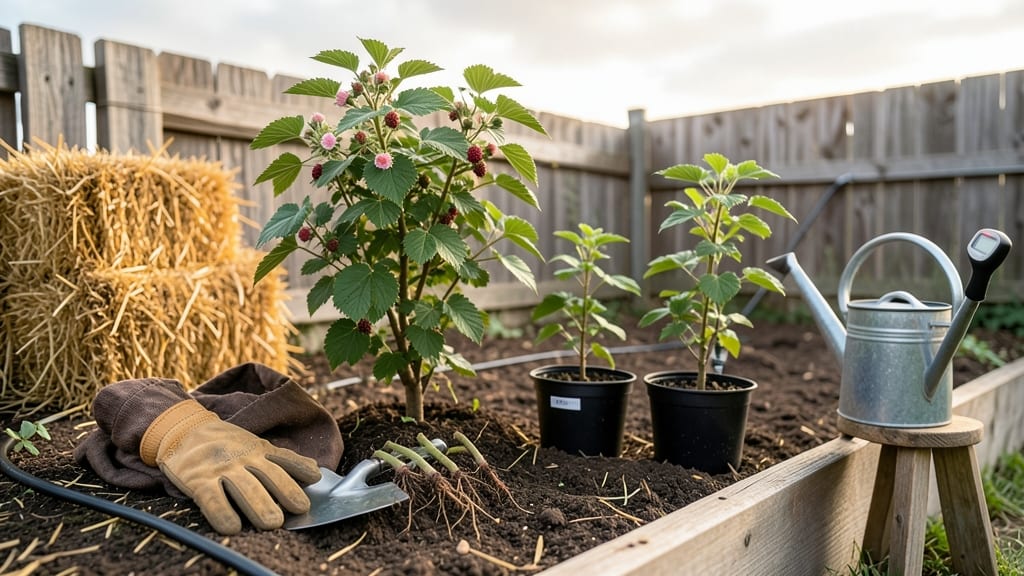
Planting blackberries in Alabama at the wrong time can mean struggling with weak growth or even losing your entire crop before summer's peak heat arrives. The key to success lies in understanding your local climate zones—especially 7a-8b—and matching your planting window to your blackberry variety's chill-hour needs.
Alabama gardeners have two prime opportunities to plant 🫐 blackberries: late winter to early spring (February-March) or fall (September-October). Each timing offers distinct advantages, depending on whether you prioritize early root establishment or avoiding summer stress. Let me break down which approach works best for your specific conditions.
Beyond timing, selecting heat-resistant varieties is just as critical. Some blackberries thrive in Alabama's intense summers, while others struggle—making the right choice the difference between a bountiful harvest and disappointment.
I'll share the top varieties that perform best in your region, along with soil prep tips to ensure your plants take root strong.
Ready to transform your backyard into a blackberry powerhouse? I'll walk you through every step—from choosing the perfect planting window to post-planting care that keeps your bushes productive for years. Let's get started!
Best planting times in Alabama based on chill-hour requirements
Alabama’s climate varies from 500 to 900 chill hours, meaning some regions need low-chill varieties while others can handle more traditional types. Timing your blackberry planting depends on both your USDA zone and the variety’s chill requirements—plant too early, and roots struggle before summer heat; too late, and canes won’t establish before winter dormancy.
Most Alabama gardeners succeed with fall planting (September-October) because cooler temperatures reduce transplant shock.
However, early spring (February-March) works for low-chill varieties like 'Arapaho' or 'Natchez,' which thrive in warmer climates. Northern Alabama (USDA 7a) can handle slightly later plantings due to cooler winters, while southern Alabama (USDA 8b) benefits from earlier starts to avoid summer stress.
Here’s the key rule: Plant when soil temps are below 80°F—this prevents root burn. In Alabama, that’s typically September for fall or February for spring.
If you miss these windows, wait until the next season, but avoid planting in summer heat, which causes wilting and poor root growth.
🌱
| Planting Window | Best For | Chill Hours Needed | Soil Temp Goal | Alabama Zone Fit |
|---|---|---|---|---|
| Late Winter (Feb-Mar) | Low-chill varieties | 300-500 hours | Below 70°F | All zones (8a-8b) |
| Fall (Sep-Oct) | Standard varieties | 500-900 hours | Below 80°F | 7a-8a |
| Avoid Summer | Any variety | N/A | Above 85°F | Risk of failure |
For northern Alabama (USDA 7a), focus on fall planting in September to take advantage of cooler temps and establish roots before winter. Southern Alabama (USDA 8a-8b) gardeners should aim for early spring (February) to avoid the brutal summer heat.
Pro tip: Use a soil thermometer to confirm temps are ideal—this small tool saves you from costly mistakes.
If you’re planting in fall (September-October), choose varieties like 'Ouachita' or 'Apache' that handle 500-700 chill hours.
For spring planting (February-March), opt for 'Arapaho' or 'Natchez,' which thrive with 300-500 chill hours. Mismatching varieties to chill hours leads to poor flowering or no fruit—don’t skip this step!
Another critical factor is moisture levels during planting. Alabama’s humid summers mean roots need consistent water, but overwatering in fall can rot canes before dormancy. Aim for 1-2 inches of water per week after planting, tapering off as winter approaches.
Use drip irrigation to keep foliage dry and prevent fungal diseases like botrytis.
💧
Finally, prune canes to 12-18 inches before planting to encourage root growth. This reduces stress and helps the plant focus energy on establishing a strong root system. In Alabama’s climate, root establishment in the first 60 days is the #1 predictor of success—prioritize this over early fruit production.
🌿
Best planting times in Alabama based on chill-hour requirements
Alabama’s USDA zones 7a-8b receive between 500-900 chill hours, which directly impacts when you should plant blackberries. Varieties with 300-500 chill hours need early spring planting, while those requiring 500-900 chill hours can handle fall planting. Understanding this balance is key to avoiding transplant shock during summer's brutal heat.
For spring planting (February-March), aim to get canes in the ground 4-6 weeks before last frost (typically mid-March). This gives roots time to establish before temperatures climb above 85°F. Fall planting (September-October) offers a second chance, allowing roots to settle before winter dormancy.
Northern Alabama (zones 7a-7b) with 700+ chill hours can plant late fall varieties like 'Arapaho' or 'Natchez'. Southern Alabama (zones 8a-8b) with 500-600 chill hours should stick to spring planting for varieties like 'Ouachita' or 'Chester'.
🌱 Blackberry Planting Timeline for Alabama
| Planting Window | Chill Hours Needed | Best Varieties | Key Consideration |
|---|---|---|---|
| Late Winter (Feb-Mar) | 500-900 hours | Arapaho, Natchez, Chester | Establish roots before summer heat |
| Fall (Sep-Oct) | 300-700 hours | Ouachita, Prime-Ark 45, Triple Crown | Avoid transplant shock in summer |
Spring planting gives you a head start on the growing season, but fall planting reduces competition from weeds and pests. For container growing, either window works—just ensure pots have drainage holes and use lightweight potting mix to prevent root rot.
Regardless of timing, bare-root canes should be planted when soil temperatures stay below 70°F. Use a soil thermometer to monitor—planting in warmer soil stresses roots. Always water deeply after planting to encourage root spread.
Pro tip: If you miss both windows, container planting extends your flexibility. Just move pots to shade during peak summer heat (100°F+). This method works well for urban gardeners or those with limited yard space.