
Plants
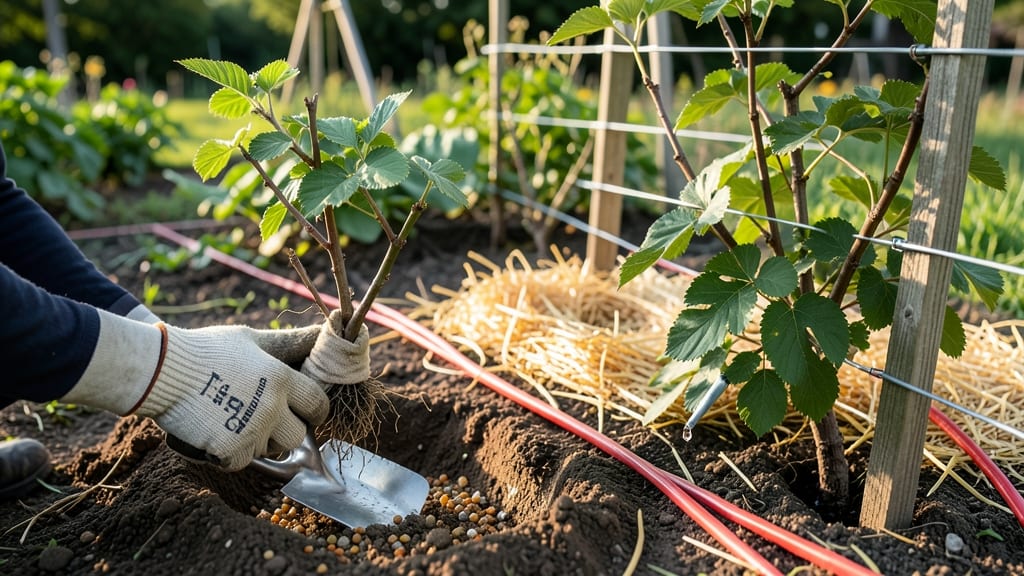
Timing your blackberry planting in Colorado isn’t just about the calendar—it’s about dodging late frosts, rocky soil, and the high-altitude surprises that can turn your 🫐 dreams into disappointment. Plant too early, and your roots freeze; too late, and your berries struggle to establish before winter.
The difference between a thriving patch and a failed experiment often comes down to knowing whether to dig in during early spring’s chill or fall’s crisp air.
Most Colorado gardeners swear by spring planting (March–April), when soil temperatures finally climb above 40°F—but that’s not the only option. Fall (September–October) works too, if you act before the first frost locks the ground.
The catch? Your USDA zone (5–7) and microclimate (Denver’s urban heat vs. mountain valleys) shift those deadlines by weeks. Get it wrong, and you’ll spend summer watching your plants play catch-up instead of fruiting.
Here’s the game-changer: soil prep and variety choice. Colorado’s thin, alkaline soil needs amendments like compost or peat moss to hold moisture, while thornless varieties like ‘Natchez’ tolerate our unpredictable springs better than traditional types.
I’ll walk you through the exact steps to time your planting—whether you’re in a high-desert pocket or a cooler mountain zone—so your blackberries hit the ground running.
Ready to avoid the common pitfalls that sink so many Colorado plantings? Let’s break down the science behind spring vs. fall deadlines, soil checks, and frost-proofing tips that actually work in the Centennial State. Your future 🫐 harvest depends on it.
Colorado blackberry planting deadlines by hardiness zone (spring vs fall)
Colorado’s USDA hardiness zones 4–8 create dramatic differences in blackberry planting success. In zone 4 (mountain regions like Grand Junction), you’ll need to plant 2–3 weeks earlier than in zone 7 (Denver metro).
The key? Soil temperature must stay above 40°F for roots to establish, and last frost dates vary wildly—from late April in the Front Range to early June in the San Luis Valley.
Spring planting is ideal for most Colorado gardeners because it allows roots to establish before summer heat. However, fall planting (September–October) works in zones 6–8 if you plant 6–8 weeks before first frost. In zone 5 or colder, fall planting risks winter kill, so spring is safer.
Here’s the golden rule: Plant when daytime temps consistently stay above 50°F and nighttime temps don’t dip below 45°F. This window typically aligns with mid-March to mid-April for spring and late August to early September for fall, depending on your zone.
⚠️ Critical Note: Colorado’s late spring frosts (even in May!) can devastate new blackberry canes. Use frost cloth or choose early-season varieties like 'Triple Crown' for extra protection.
| USDA Zone | Spring Planting Window | Fall Planting Window | Soil Temp Threshold | Last Frost Date |
|---|---|---|---|---|
| Zone 4 (e.g., Steamboat Springs) | Mid-April to May 1 | Not recommended (high frost risk) | 45°F minimum | May 15–June 1 |
| Zone 5 (e.g., Fort Collins) | March 20–April 15 | September 1–15 | 40°F minimum | April 30–May 10 |
| Zone 6 (e.g., Denver) | March 1–April 1 | September 15–October 1 | 40°F minimum | April 15–May 1 |
| Zone 7 (e.g., Colorado Springs) | February 28–March 31 | September 1–September 30 | 45°F minimum | April 1–April 15 |
| Zone 8 (e.g., Pueblo) | February 15–March 15 | September 15–October 15 | 50°F minimum | March 15–April 1 |
Colorado blackberry planting deadlines by hardiness zone (spring vs fall)
Colorado’s USDA zones 5–7 create wildly different planting windows for blackberries. In zone 5 (mountain valleys), where frost lingers until May 15, spring planting starts March 15–April 15—but only if soil temps hit 40°F+.
Meanwhile, zone 7 (southern Colorado) can plant until April 30 with fewer frost risks. Fall planting? It’s a September 1–October 15 race against first frost, with zone 5 needing to finish by September 15.
Here’s the kicker: elevation shifts deadlines. A Denver garden (zone 6) might see April 1–May 1 as safe, while Fort Collins (zone 5) plays it safer with March 20–April 10. Thornless varieties like ‘Natchez’ tolerate cooler soils better, giving you a 2-week longer window than traditional types.
| Zone | Spring Window | Fall Window | Soil Temp Threshold |
|---|---|---|---|
| 5 (Mountains) | March 15–April 15 | September 1–15 | 40°F+ |
| 6 (Denver) | April 1–May 1 | September 15–30 | 45°F+ |
| 7 (South CO) | April 15–May 15 | October 1–15 | 50°F+ |
Fall planting has one huge advantage: established roots before winter. But Colorado’s dry autumns mean you must water deeply every 10–14 days until frost. Spring planters? Focus on frost dates—check the Colorado State University Almanac for your county’s averages, then add 2 weeks buffer for late frosts.
Pro tip: Bare-root canes need moist but not soggy soil—amend Colorado’s alkaline clay with peat moss or compost to improve drainage. Plant on a slightly sloped mound to prevent root rot in our flash-flood-prone springs.
Miss the window? Container growing extends your options—just move pots to a sunny garage if frost threatens. But timing still matters: root-bound plants struggle to recover from Colorado’s temperature swings.
Your next move: Soil test for pH (blackberries love 5.5–6.5) and amend with sulfur if your soil’s too alkaline. Then mark your calendar—March 20 or September 15—and dig in before Colorado’s climate changes the rules again. 🌱