
Plants
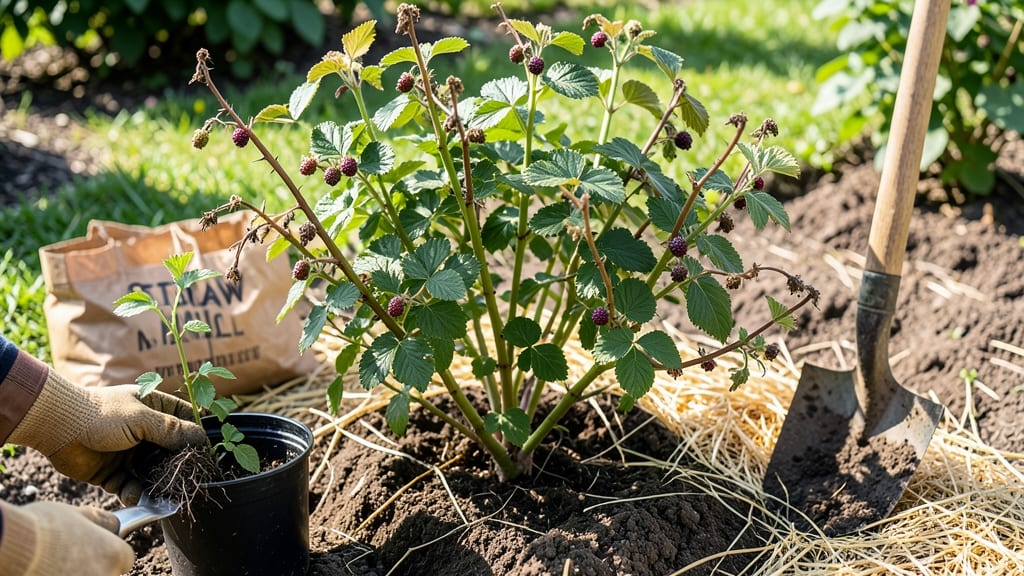
Timing your blackberry 🫐 planting in Louisiana isn’t just about the calendar—it’s about beating the heat and humidity before they overwhelm your young bushes. Plant too early, and your canes may bolt in the 90°F afternoons; too late, and they’ll struggle to root before winter’s chill sets in.
The exact window for success? Late winter to early spring, when soil temperatures hover just above 50°F—a sweet spot that gives your plants a fighting chance in Louisiana’s brutal summers.
Here’s the game-changer: Louisiana’s 8a-9b zones demand precision. While most gardeners default to February or March, the real magic happens when you align planting with your local last frost date—typically around February 15.
This timing lets your blackberries establish roots before the heat ramps up, setting the stage for a bountiful harvest from April through August.
But don’t stop at the calendar. The soil and variety matter just as much. Louisiana’s acidic, clay-heavy soils need amending with compost or pine bark fines, while heat-tolerant varieties like ‘Arapaho’ or ‘Navaho’ thrive where others wilt.
Whether you’re planting in the ground or containers, these tweaks make all the difference between a thriving blackberry patch and a sad, stunted disappointment.
Ready to dive deeper? I’ll walk you through the step-by-step process—from soil prep to post-planting care—so your blackberries not only survive but explode with flavor. Let’s get those canes in the ground the right way.
Best planting months for blackberries in Louisiana’s climate zones
Louisiana’s USDA zones 8a-9b create unique challenges for blackberry growers. The humid heat and long growing season mean you’ll need to plant at the right time to avoid heat stress or winter dieback.
In most of Louisiana, the ideal planting window is between mid-February and early April, aligning with the last frost date (typically February 15).
For North Louisiana (zones 8a), where winters can be slightly cooler, aim for late February to early March. This gives canes time to establish roots before summer’s intense heat arrives.
In South Louisiana (zones 8b-9b), where winters are milder, you can extend planting until mid-April without risking frost damage.
Here’s the exact timing breakdown for Louisiana gardeners, accounting for regional microclimates and heat tolerance:
| Region | USDA Zone | Best Planting Months | Key Consideration |
|---|---|---|---|
| North Louisiana | 8a | Late February – Early March | Avoid late frosts; establish roots before summer heat. |
| Central Louisiana | 8a-8b | Mid-February – Mid-April | Flexible window; prioritize soil warmth over frost risk. |
| South Louisiana | 8b-9b | Mid-March – Mid-April | Milder winters allow later planting; focus on heat acclimation. |
| Coastal Areas | 9a-9b | Late March – Early May | Humidity increases fungal risks; plant when soil temps exceed 60°F. |
If you miss the primary planting window, you can still plant blackberries in late summer (August-September) for a fall harvest. However, these canes will produce fruit on floricanes (second-year canes) the following year, rather than the current season.
This approach works well in South Louisiana’s warmer zones where winters are less harsh.
For container growing, which is popular in Louisiana’s urban areas, plant in late February to early March regardless of zone. Containers heat up faster, so avoid planting too early when soil temps are still cool. Use black pots to absorb heat and extend the growing season.
Pro tip: Check the LSU AgCenter’s frost date maps annually, as Louisiana’s climate shifts can alter traditional planting windows. For example, New Orleans (zone 9a) may see earlier planting dates than Shreveport (zone 8a) due to microclimates.
Timing isn’t the only factor—soil temperature matters just as much. Wait until soil temps reach at least 60°F (15°C) at a depth of 4 inches. Use a soil thermometer to monitor this, especially in North Louisiana where cooler soils delay root establishment.
Once planted, mulch heavily with straw or pine needles to retain moisture and regulate soil temperature. This is critical in Louisiana’s humid summers, where mulch can reduce water loss by up to 70%.
Best planting months for blackberries in Louisiana’s climate zones
Louisiana’s USDA zones 8a-9b create a unique challenge for blackberry growers—hot, humid summers and mild winters demand precise timing to avoid transplant shock or winter dieback. The ideal window is late winter to early spring, but exact months vary by region.
North Louisiana’s cooler microclimates (like Shreveport) can plant as early as February 15, while South Louisiana’s heat (like Lafayette) should wait until March 1.
Blackberries thrive when planted 2-3 weeks before your last frost date—typically February 15 in most of Louisiana. This gives roots time to establish before 90°F+ summer heat arrives.
Planting too early risks cold damage, while waiting too long delays fruiting. For floricanes (fall-bearing varieties), a late summer planting (August) is also viable in cooler highland areas.
Here’s how Louisiana’s microclimates affect timing:
For container growing, adjust timing by 2 weeks later—pots heat up faster in Louisiana’s sun. Choose heat-tolerant varieties like ‘Arapaho’ or ‘Navaho’, which thrive in 95°F+ temperatures. These varieties also handle Louisiana’s humidity and occasional hurricanes better than traditional types.
Pro tip: Test soil temperature before planting—ideal range is 60–70°F. Use a soil thermometer to avoid planting in soil warmer than 75°F, which stresses roots. In South Louisiana, this often means waiting until late March even if air temps are mild.
Remember, bare-root canes establish faster than potted plants in Louisiana’s clay-heavy soils. Amend beds with compost and sand to improve drainage—critical for avoiding root rot in our humid summers. 🫐