
Plants
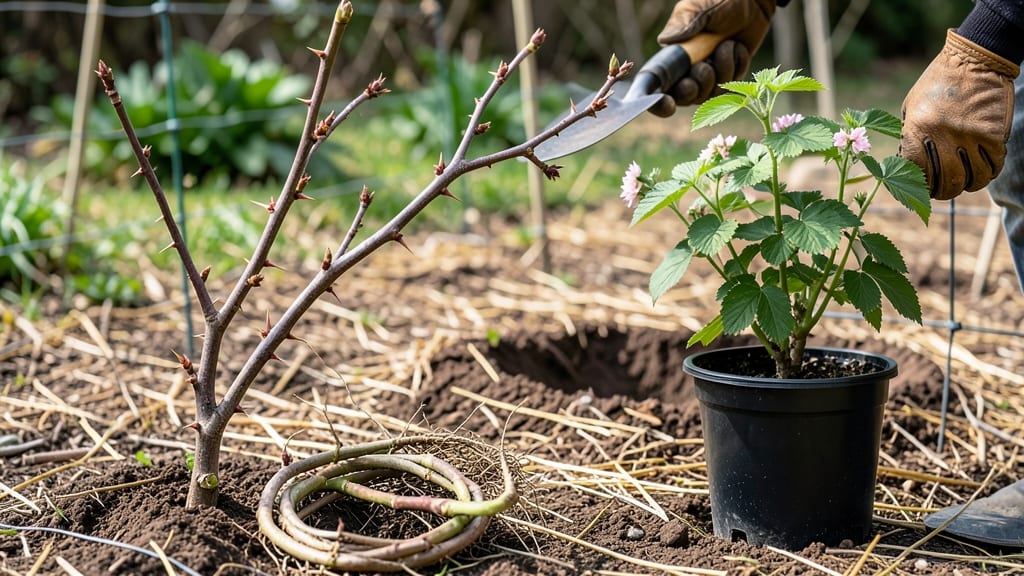
Timing your blackberry planting in North Carolina can make or break your harvest—especially when chill hours vary dramatically across zones 6b-8a. Planting too early risks frost damage, while waiting too long might stunt root growth before winter.
The key lies in matching varieties to your local climate, whether you're in the mountains or coastal plains.
Most gardeners in NC focus on two main windows: late winter to early spring (February-April) for bare-root plants or late summer to early fall (August-September) for container-grown canes.
But here's the twist: primocane varieties (like 'Ouachita' or 'Natchez') need 300-500 chill hours, while floricanes (like 'Chester') thrive with 400-700 chill hours—and those numbers shift by region.
I'll break down exactly when to plant based on your zone, including soil prep tips and microclimate adjustments. Whether you're a first-time grower or a seasoned berry enthusiast, this guide ensures your 🫐 bushes get off to the right start—no guesswork, just data-driven timing.
Ready to avoid common mistakes like planting too soon or skipping trellis support? Let's dive into the zone-specific planting chart that'll have your blackberries thriving by harvest season.
NC blackberry planting timeline by chill-hour zones (5b-8a)
North Carolina’s diverse climate—from the cool mountain regions to the warmer coastal plains—means blackberry planting times vary significantly. The key factor? Chill hours, which determine when your plants can break dormancy.
Most NC varieties need 300-1,000 chill hours, but timing shifts from Zone 5b (mountains) to Zone 8a (coastal areas).
For primocane varieties (like 'Natchez' or 'Ouachita'), fall planting works best in Zones 6b-7a, while floricane types (e.g., 'Chester') thrive with spring plantings in Zones 7b-8a. Soil temperatures also matter—roots need 40°F+ to establish before spring growth begins.
Here’s how to match your USDA zone with the ideal planting window:
For Zone 5b gardeners, aim for late August plantings to avoid early frosts. In Zone 8a, extend fall plantings into December if soil stays above 55°F.
Always check your local last frost date—mountain areas like Asheville may see frost in March, while Wilmington stays frost-free until November.
Pro tip: Use bare-root plants in fall—they establish roots before winter, giving you a head start in spring. For container-grown blackberries, plant anytime soil is workable, but avoid peak summer heat (June–July) to reduce transplant shock.
Soil temperature is just as critical as air temperature. Use a soil thermometer to confirm 40°F+ before planting. In cooler zones, mulch with straw or wood chips to insulate roots during winter. For warmer zones, prioritize shade cloth during summer to prevent heat stress.
Microclimates matter too! A south-facing slope in the mountains warms faster than a north-facing valley, so adjust planting dates accordingly. Coastal areas with humid summers may benefit from drip irrigation to prevent fungal diseases like botrytis.
Finally, match your variety to your zone. Primocane varieties (e.g., 'Arapaho') produce fruit on new canes, so fall plantings work best. Floricane types (e.g., 'Duke') need a full growing season, making spring the better choice in Zones 7b+.
Ready to plant?
How to adjust planting for early vs. late varieties in NC
North Carolina’s diverse climate—from the cooler mountains to the warmer coastal plains—means blackberry varieties thrive at different times.
Early varieties like Chester or Triple Crown need planting in late winter (February) to capitalize on spring’s mild weather, while late varieties like Ouachita can wait until early fall (August-September) for a second harvest window.
Thornless varieties, such as Natchez or Arapaho, are often more flexible but still benefit from fall planting in zones 7-8a. This gives roots time to establish before winter’s chill. In zone 5b, where frosts linger longer, stick to spring planting (March-April) to avoid winter dieback.
🌱
📌 Key Adjustments for NC Varieties
- Early Varieties (Zones 5b-6b): Plant February-March for spring harvests. Use row covers if late frosts threaten.
- Late Varieties (Zones 7-8a): Plant August-September for fall fruit. Mulch heavily to protect roots from heat stress.
- Thornless Types: Prioritize fall planting in warm zones (7-8a) to avoid thorny canes. Prune aggressively in spring.
- Microclimates: Coastal areas (e.g., Wilmington) can plant 2 weeks later than Piedmont (e.g., Raleigh). Monitor soil temps—roots need 45°F+ to establish.
- Soil Prep Tip: Amend clay soils (common in mountains) with sand/compost 4-6 weeks before planting to improve drainage.
Extending your planting season? Try container growing for late varieties—pots warm up faster in spring and can be moved to protected microclimates (e.g., near south-facing walls). Just ensure containers have drainage holes to prevent root rot, especially in NC’s humid summers.
For primocane varieties (like Prime-Ark Freedom), fall planting lets you harvest year-round—but only in zones 7-8a. In cooler zones, focus on floricane types (e.g., Navaho) planted in spring for a single, reliable crop.
Pro tip: Use a planting calendar to track chill hours. Most NC blackberries need 300-1,000 hours below 45°F—check your local Cooperative Extension for exact data. Adjust planting dates if your winter was unusually warm or cold.
🌿