
Trees
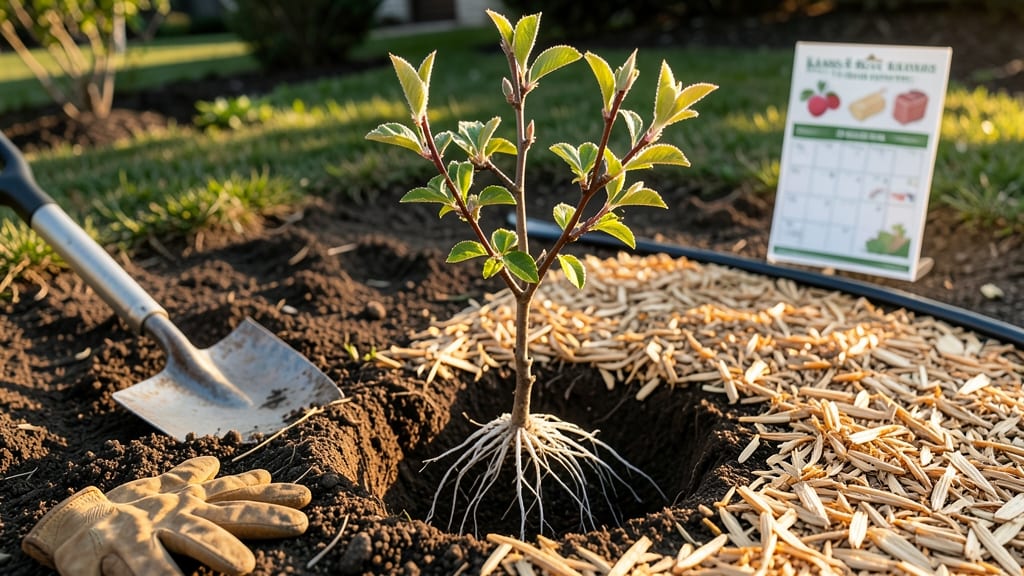
Timing your fruit tree planting in Kansas could mean the difference between a thriving orchard and years of frustration.
With USDA zones 5b-7a and Kansas' unpredictable weather, getting it wrong can leave your 🍎 vulnerable to frost damage or poor root establishment. The late winter to early spring window (February-April) is your best shot—but even then, microclimates and chill-hour needs vary by variety.
I’ll break down exactly when to plant based on your specific zone, plus how to adjust for Kansas’ tricky frost patterns. Whether you’re working with bare-root saplings or container-grown trees, these insights will help you maximize survival rates and fruit production.
Ready to plant with confidence? Let’s dive into the chill-hour matching chart that’ll show you the perfect timing for apples, peaches, and more—so you can enjoy Kansas-grown fruit for years to come.
Kansas fruit tree planting calendar by chill-hour zones
Kansas spans three critical chill-hour zones (400-600, 600-800, 800+), which dictate the best planting windows for fruit trees. Apples and peaches thrive in zones with 600+ chill hours, while plums and cherries adapt to lower chill zones. Planting outside these windows risks poor root establishment or fruit production failures.
Most nurseries sell bare-root trees in late winter, but container-grown trees can be planted through early spring. The key is to plant before buds swell—typically between February and April—to avoid stressing the tree during dormancy.
For USDA Zone 5b (western Kansas), aim for late February to early March, while Zone 7a (southeastern Kansas) can extend to mid-April.
🌱
| Chill-Hour Zone | Best Planting Window | Ideal Fruit Trees | Soil Temp for Planting |
|---|---|---|---|
| 400-600 hours | Late February - Early March | Plums, Cherries, Pears | 40-50°F |
| 600-800 hours | Early March - Mid-April | Apples, Peaches, Apricots | 45-55°F |
| 800+ hours | Mid-March - Late April | Honeycrisp Apples, Reliance Peaches | 50-60°F |
For bare-root trees, plant as soon as possible after purchase to prevent root desiccation. Container-grown trees offer more flexibility but must be planted before bud break (typically by mid-April).
If you miss the spring window, fall planting (September-October) is an alternative, but ensure the tree establishes roots before winter.
Soil temperature is critical—wait until the ground reaches 40°F or warmer to avoid compacting clay-heavy Kansas soils. Use a soil thermometer to monitor conditions, especially in Zone 5b where early frosts are common. Amend the soil with compost or organic matter to improve drainage and warmth retention.
🌿
Once planted, mulch around the base with 2-3 inches of wood chips to retain moisture and regulate soil temperature.
Avoid piling mulch against the trunk to prevent rot. Water deeply after planting (15-20 gallons per tree) and maintain consistent moisture for the first two growing seasons to encourage strong root development.
In Zone 7a, where winters are milder, you can extend planting into early May for container-grown trees, but prioritize full sun exposure and well-draining soil. Urban gardeners in Wichita or Kansas City may face heat islands, so choose drought-tolerant varieties like Lara peaches or Haralson plums.
🪴
For dwarf varieties (e.g., columnar apples or semi-dwarf peaches), planting in containers can extend your window into late spring (May). However, these trees still need 6-8 hours of sun and consistent watering. If planting in containers, use a fast-draining mix with perlite or vermiculite to prevent root rot.
Finally, consider microclimates—south-facing slopes in western Kansas can be 5-10°F warmer than valleys, while eastern Kansas’ humidity may delay planting by 1-2 weeks. Adjust your timeline based on local conditions, and always monitor frost forecasts using tools like the National Weather Service or Old Farmer’s Almanac.
How to adjust planting dates for Kansas’ unpredictable weather patterns
Kansas’ unpredictable spring weather can throw off even the most careful planting plans. Late frosts, sudden heatwaves, or heavy rains often delay or disrupt ideal fruit tree planting windows.
To adapt, I check local frost-free dates from the National Weather Service or Kansas State University Extension—these vary 1-3 weeks across the state.
For bare-root trees, aim to plant 4-6 weeks before bud break (typically late February to early March in most of Kansas). If soil stays frozen or soggy, container-grown trees give you flexibility—plant them as soon as soil thaws (usually mid-March to April).
Urban gardeners in Wichita or Kansas City face heat islands that warm soil faster, while rural areas like Hays or Garden City may need to wait longer. Use a soil thermometer to confirm 40-50°F soil temps before planting—this ensures roots establish without shock.
If unseasonable warmth triggers early budding, cover young trees with frost cloth or row covers after 32°F nights. Peach and cherry trees are especially vulnerable—delay planting if buds swell before last frost dates.
To extend your window, container-grown trees can be planted into early May if soil is workable. Amend containers with compost and perlite to improve drainage, and water deeply every 3-4 days until roots establish. For in-ground plantings, mulch heavily (4-6 inches) to regulate soil temperature.
Monitor 7-day forecasts for rain—soggy soil can suffocate roots. If heavy rains delay planting, heave trees slightly and water deeply to settle soil around roots. In drought-prone years, prioritize drip irrigation for the first 30 days post-planting to reduce transplant shock.
Pro tip: Plant dwarf or semi-dwarf varieties in microclimates (e.g., near south-facing walls) to shorten establishment time. These trees bear fruit faster and tolerate soil temperature fluctuations better than standard varieties.