
Plants
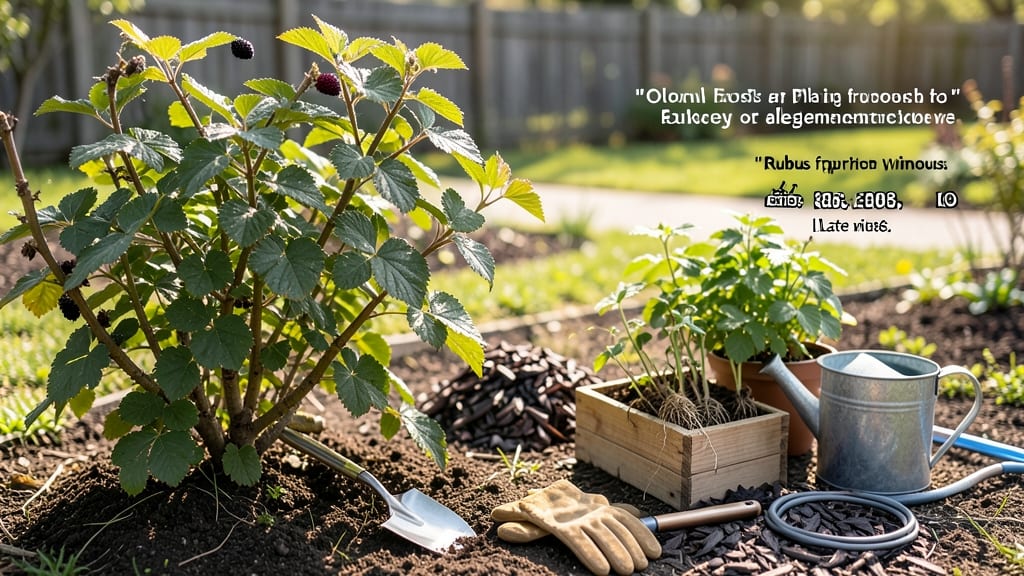
Timing your blackberry planting in Oklahoma could mean the difference between a bumper crop of sweet 🫐 and a season of disappointment. With our state’s unpredictable springs and scorching summers, getting those canes in the ground at the right moment is everything—especially when you’re dealing with chill-hour requirements that vary from north to south.
Most gardeners know blackberries thrive in Oklahoma’s USDA Zones 6a-8a, but what they don’t always realize is that planting too early risks frost damage, while waiting too long means your bushes won’t ripen before the heat sets in.
The ideal windows are late winter to early spring (February–March) or fall (September–October), but the exact timing depends on where you live—and whether you’re growing primocane or floricane varieties.
I’ll break down the chill-hour zones, soil prep secrets, and microclimate tricks to help you avoid common mistakes like sunburned canes or stunted growth. By the end, you’ll know exactly when to plant for maximum harvest potential—no guesswork required.
Ready to turn your Oklahoma garden into a blackberry powerhouse? Let’s get those canes in the ground at the perfect moment.
Oklahoma’s blackberry planting zones: chill-hours chart by region
Oklahoma’s blackberry planting success hinges on chill-hours, which measure winter cold needed for fruit production. The state spans USDA Zones 6a–8a, but chill-hour requirements vary dramatically—from 400 hours in southern Oklahoma to 1,000+ hours in the north.
Planting at the wrong time risks stunted growth or no fruit at all.
Northern Oklahoma (Zone 6a–7a, e.g., Oklahoma City, Tulsa) needs 800–1,000 chill-hours for floricane varieties like Natchez or Ouachita. Southern regions (Zone 7b–8a, e.g., Lawton, Altus) thrive with 400–600 chill-hours and primocane varieties like Arapaho or Cheyenne.
Here’s your Oklahoma chill-hour planting chart to pinpoint the best window for your region:
| Region | Chill-Hours | Best Planting Window | Frost Risk | Variety Recommendation |
|---|---|---|---|---|
| Northern OK (Zone 6a–7a) | 800–1,000 | Late February–March | High (last frost: mid-April) | Natchez, Ouachita, Black Satin |
| Central OK (Zone 7a–7b) | 600–800 | Early March–April | Moderate (last frost: early April) | Arapaho, Cheyenne, Triple Crown |
| Southern OK (Zone 7b–8a) | 400–600 | September–October (fall) or January | Low (last frost: late February) | Prime-Ark 45, Prime-Jim, Osage |
For northern Oklahoma, aim for late February–March to avoid late frosts (28°F or lower can kill new shoots). Central Oklahoma gardeners have flexibility until early April, while southern regions can plant as late as January or opt for fall planting (September–October) to establish roots before summer heat.
Pro tip: Use Oklahoma State University’s chill-hour map for precise county data. For example, Tulsa (Zone 7a) needs 700+ chill-hours, while Lawton (Zone 7b) thrives with 500–600 hours. Always check microclimates—urban areas may frost later than rural zones.
Primocane varieties (like Arapaho) produce fruit on new growth, so they’re ideal for southern Oklahoma’s warmer winters. Floricane types (like Natchez) need cold to set buds, making them better for northern regions. Planting the wrong variety in the wrong zone = no berries.
After choosing your window, prep soil to pH 5.5–6.5 (Oklahoma’s alkaline soils often need sulfur or peat moss). Amend with compost and plant bare-root canes in well-draining beds with 3–4 feet spacing to prevent disease spread.
🌱
Step-by-step planting timeline for Oklahoma blackberries
Now that you’ve picked your chill-hour zone, let’s dive into the exact steps to get your blackberries planted at the perfect time. Oklahoma’s alkaline soils and unpredictable frosts mean prep work is just as critical as the planting date itself.
Start by testing your soil—blackberries thrive in acidic soil (pH 5.5–6.5), and Oklahoma’s native clay often skews higher.
Use a soil test kit (available at local garden centers) or send a sample to the Oklahoma State University Extension. If your pH is too high, amend with sulfur or peat moss 4–6 weeks before planting.
This gives the soil time to adjust, especially in Zone 7/8 where heat can accelerate chemical reactions.
🌱
Step-by-Step Planting Timeline
- Late January–Early February (Zone 6a/7a): Test soil pH and amend if needed. Order bare-root canes from a reputable nursery (e.g., Oklahoma State University’s recommended varieties like ‘Apache’ or ‘Arapaho’).
- Mid-February (All Zones): Soak bare-root canes in water for 2–4 hours before planting to rehydrate roots. Dig trenches 3–4 feet apart and 2 feet wide to accommodate sprawling canes.
- Early March (Zone 6a/7a) or Late March (Zone 7b–8a): Plant canes with roots 6 inches deep and 12–18 inches apart in the trench. Space rows 8–10 feet apart for trellising.
- April (All Zones): Install trellis supports (wires or T-posts) immediately after planting. Mulch with 3–4 inches of straw or wood chips to retain moisture and suppress weeds.
- May–June: Fertilize with 10-10-10 balanced fertilizer (½ cup per plant) once new growth appears. Water deeply 1–2 times per week to encourage root establishment.
- September (Fall Planting Window): Repeat soil prep steps. Plant bare-root canes 6–8 weeks before first frost (typically by mid-September in northern OK).
- October–November: Apply winter mulch (6+ inches) to protect roots from freeze-thaw cycles. Prune dead canes in early spring to stimulate new growth.
One of the biggest mistakes I see in Oklahoma gardens is planting without trellising. Blackberries need support to grow upright, and without it, canes sprawl, making harvesting difficult and increasing disease risk.
Use a fan-trellis system (wires fanned out like fingers) to keep canes off the ground and improve air circulation.
After planting, monitor for late frosts (common in April). If a frost warning appears, cover young plants with frost cloth or row covers.
In Zone 8a, where winters are milder, you can extend your planting window into early November, but avoid planting after October 15th to allow roots to establish before dormancy.
🌿