
Plants
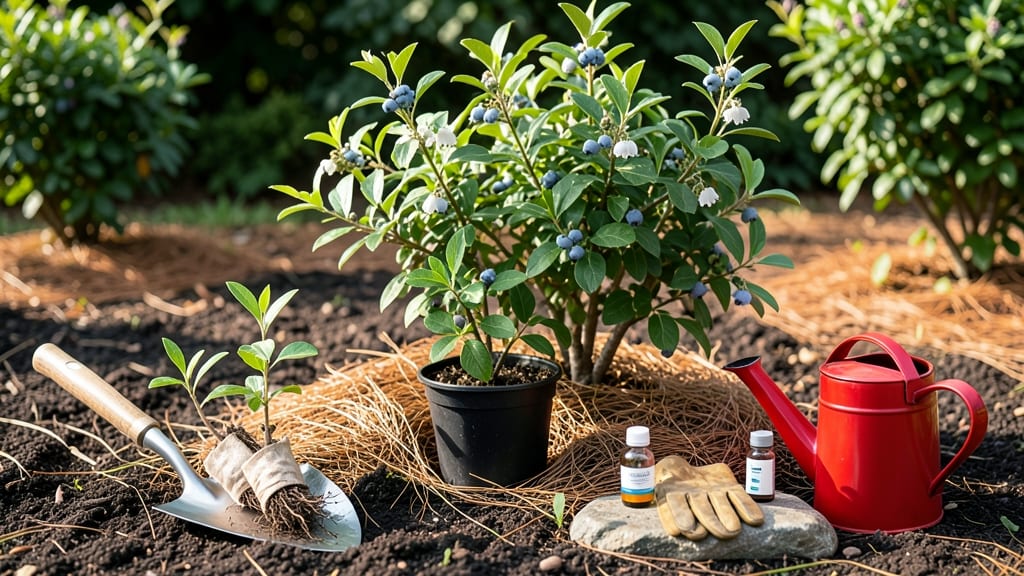
Timing is everything when planting blueberries in Kentucky—get it right, and you’ll enjoy a bountiful harvest of sweet 🫐 berries; get it wrong, and your bushes might struggle to survive. Kentucky’s unique climate, with its 6a-7a USDA zones and variable frost dates, demands careful planning to ensure your blueberries thrive from the start.
Most gardeners swear by fall planting as the best window—between September and October—when soil temperatures are cooling but still workable. This gives roots time to establish before winter’s chill sets in.
But spring planting (February to April) can also work if you act quickly before Kentucky’s last frost, typically around mid-March.
Why does this matter? Blueberries need chill hours—a specific number of cold hours—to set fruit properly. Kentucky’s climate varies by region, so choosing the right variety (like 'Duke' for Southern KY or 'Bluecrop' for Northern areas) and planting at the right time is the key to success.
Ready to grow your own blueberries? I’ll walk you through the exact steps—from soil prep to variety selection—to help your bushes flourish and produce berries for years to come.
Best planting months for blueberries in Kentucky based on chill hours
Kentucky’s USDA Zones 6a-7a create a unique challenge for blueberry growers—too much heat in summer can stress bushes, while winter chills are essential for fruiting. The ideal planting window depends on your chill-hour requirements (the number of hours below 45°F needed to trigger flowering).
Most Kentucky varieties need 500-900 chill hours, aligning with fall or early spring planting.
For Northern Kentucky (Zone 6a), where winters are colder, September-October planting gives roots time to establish before frost. In Southern Kentucky (Zone 7a), milder winters make February-March planting safer, avoiding summer heat stress. Always check your last frost date (typically late March) to avoid planting too early.
Here’s how to calculate your local chill hours: Use a chill-hour calculator (like the one from the University of Kentucky Extension) or track temps with a home weather station. Most Kentucky regions accumulate 600-800 chill hours, perfect for varieties like Duke or Bluecrop.
Blueberries thrive when planted in dormancy, so avoid summer planting. Fall-planted bushes often outperform spring-planted ones because they establish roots before summer heat arrives. However, if you miss fall, early spring (before buds swell) is your next best option.
🌱
| Planting Window | Chill Hours Needed | Best For Kentucky Region | Soil Prep Tip |
|---|---|---|---|
| Late September - October | 500-900 hours | Northern KY (Zone 6a) | Add peat moss to acidic soil |
| February - Early March | 600-800 hours | Southern KY (Zone 7a) | Test pH (target 4.5-5.5) |
| April (after last frost) | 700+ hours | All regions (backup option) | Mulch with pine needles |
If you’re planting in containers (ideal for urban Kentucky gardens), the same timing rules apply, but use acid-loving potting mix. Containers warm up faster in spring, so delay planting until after last frost to avoid root stress.
For in-ground planting, amend soil with sulfur or pine bark fines to maintain acidity.
Pro tip: Bare-root plants (sold dormant) are best for fall planting, while container-grown bushes work year-round but thrive when planted in fall or early spring. Always soak bare roots in water for 2-3 hours before planting to reduce transplant shock.
Kentucky’s humid summers can stress young blueberries, so mulch heavily (3-4 inches of pine straw) to retain moisture and regulate soil temperature. Avoid fresh mulch in summer, which can overheat roots—wait until fall for best results.
🌿
Best planting months for blueberries in Kentucky based on chill hours
Kentucky’s 6a-7a USDA zones create a unique challenge for blueberry growers: too many chill hours in the north, too few in the south. The ideal planting window depends on your specific chill-hour needs—most varieties need between 400-1,000 hours below 45°F to set fruit properly.
Fall planting (September-October) is my top recommendation for Kentucky gardeners. The cool soil temperatures reduce transplant shock, and roots establish before winter dormancy. Spring planting (February-April) works too, but you must plant 4-6 weeks before your last frost date—typically by mid-March in most of the state.
Northern Kentucky (USDA Zone 6a) can handle varieties like 'Bluecrop' or 'Jersey' with 800-1,000 chill hours, while Southern Kentucky (Zone 7a) thrives with 'Duke' or 'Tifblue' at just 400-600 chill hours. Matching your variety to your chill hours is critical for fruit production.
| Planting Window | Chill Hours Needed | Best Varieties | Soil Prep Tip |
|---|---|---|---|
| Fall (Sept-Oct) | 400-1,000 hrs | Duke, Tifblue, Bluecrop | Add sulfur to lower pH |
| Spring (Feb-Apr) | 500-900 hrs | Jersey, Patriot | Mulch heavily after planting |
| Late Spring (May) | 600+ hrs | Bluecrop only | Water deeply 2x/week |
If you're unsure about your chill hours, check your local Cooperative Extension Service records—many Kentucky counties track this data. For example, Lexington typically gets 800-900 chill hours, while Paducah averages 500-600 hours. This explains why 'Duke' thrives in Western KY but may struggle in the Bluegrass Region.
Pro tip: Plant bare-root blueberries in fall or early spring for best results. Container-grown plants can be planted year-round, but they’ll need extra watering during Kentucky’s hot summers. Always amend soil with peat moss or pine needles to maintain that critical acidic pH (4.5-5.5).
Remember, blueberries are perennials—proper planting now means decades of harvests. Don’t rush the process: take time to prepare your site, choose the right variety, and plant at the optimal time for your specific Kentucky microclimate. 🌱