
Plants
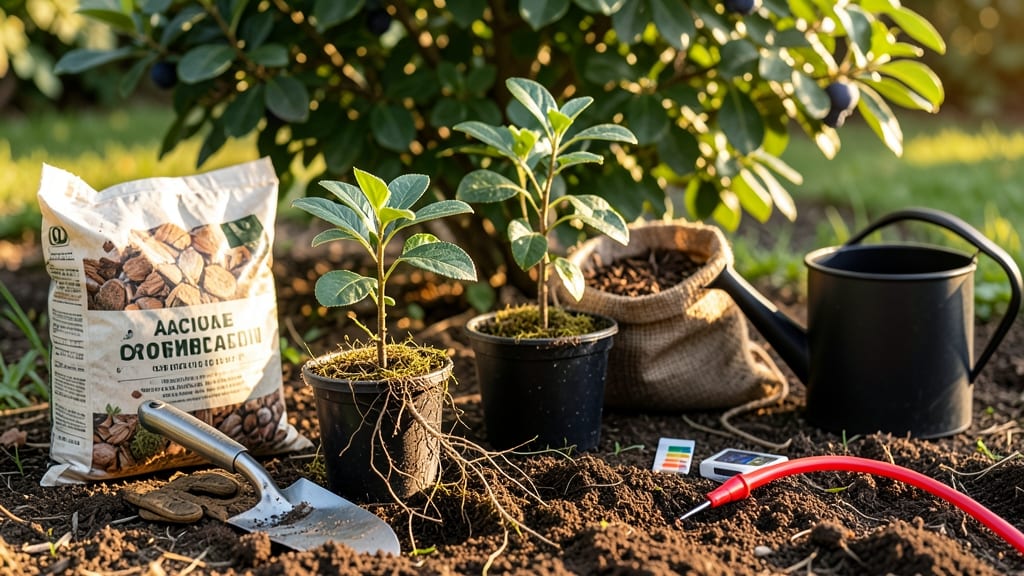
Planting blueberries in Southern California might seem tricky with its diverse microclimates, but timing is everything for thriving bushes. The perfect window—November through March for bare-root plants or October to February for containers—aligns with cooler temps and winter rains that set your 🫐 bushes up for success.
Why does this matter? Skipping the right timing can mean stunted growth, poor yields, or even plant death in our 9b-10a zones. Coastal areas like Malibu have milder winters, while inland spots like Riverside need extra care to avoid late-season heat stress.
I’ll break down the exact months for your specific microclimate, whether you’re planting bare-root or in containers, and how to prep your soil for maximum fruit production. No more guesswork—just a roadmap to blueberry success.
Ready to turn your garden into a berry bonanza? Let’s get started with the critical steps that make all the difference in Southern California’s unique growing conditions.
Best planting months for Southern California blueberries by microclimate zone
Southern California’s blueberry bushes thrive when planted during the cool, wet months—but timing varies wildly between coastal fog belts and inland desert valleys. The key is avoiding summer heat stress (above 85°F) and winter dormancy (below 40°F).
Here’s your zone-by-zone planting calendar, tailored to USDA zones 9b-10a, with everbearing vs. rabbiteye variety notes included.
For coastal areas (e.g., Santa Barbara, Malibu), your optimal window stretches from November to March. The cooler ocean breezes and higher humidity create ideal conditions for root establishment. Inland valleys like Riverside or Palm Springs, however, demand earlier planting (October–February) to beat the scorching summer sun.
Desert regions (e.g., Joshua Tree) may even extend planting into early April if you use shade cloth and drip irrigation.
🌱
| Microclimate Zone | Best Planting Window | Key Considerations | Recommended Varieties |
|---|---|---|---|
| Coastal (e.g., Santa Barbara, Malibu) | November–March | Cooler temps (50–70°F), high humidity; avoid planting after March (risk of fungal diseases). | Duke, Jersey, Bluecrop (everbearing) |
| Inland Valleys (e.g., Riverside, San Bernardino) | October–February | Hotter summers (90°F+); plant bare-root in late fall to establish roots before heat. | Climax, Powderblue (rabbiteye), Southland (everbearing) |
| Desert (e.g., Joshua Tree, Palm Desert) | October–Early April | Extreme heat (100°F+); use shade cloth and drip irrigation if planting in spring. | O’Neal, Tifblue (rabbiteye), Biloxi (everbearing) |
| All Zones (Container-Grown) | October–February | Flexible timing; avoid summer planting (container roots overheat). | Any variety (topsoil + peat moss mix required) |
If you’re planting bare-root blueberries, aim for November–January—this gives roots 6–8 weeks to establish before spring growth kicks in. Container-grown bushes, however, can handle planting until February (just water deeply afterward to reduce transplant shock).
Pro tip: Soak bare-root plants for 2–4 hours before planting to revive roots.
Temperature is your biggest enemy. Blueberries won’t tolerate soil temps above 85°F—so avoid summer planting unless you’re in a high-elevation microclimate (e.g., Big Bear Lake). Even then, mulch heavily with wood chips to insulate roots.
Coastal areas can sometimes push planting into early April, but inland zones should stop by February 15 to avoid heat stress.
For everbearing varieties (like Duke or Jersey), time planting to maximize first-year fruit. Plant in November–December so bushes can flower early the following spring. Rabbiteye varieties (e.g., Climax) are more heat-tolerant and can handle later planting (January–February), but they’ll yield later in their first year.
💧
One critical mistake I see in SoCal gardens? Planting too late and then overwatering to compensate. Blueberries hate soggy roots—so amend your soil with sand or perlite for well-draining conditions. Pair planting with a 1–2 inch layer of mulch to retain moisture while preventing weeds.
In coastal zones, pine bark mulch also lowers soil pH naturally (blueberries need pH 4.5–5.5).
Finally, choose your location wisely. Blueberries need 6+ hours of sun daily, but afternoon shade helps in inland areas (e.g., Palm Springs).
If your yard is fully exposed, plant near a west-facing wall for afternoon shade in summer. Coastal gardens can handle full sun year-round thanks to marine layer cooling.
☀️
How to adjust planting timing for coastal vs. inland Southern California
Southern California’s coastal fog belts and inland desert valleys create wildly different conditions for blueberry planting. Coastal areas like Malibu or Santa Barbara stay milder year-round, while inland spots like Riverside or Palm Springs face scorching summers and rare but possible February frosts.
Adjusting your planting window by just a few weeks can mean the difference between a thriving bush and a struggling one.
For coastal zones, you’ve got a slightly longer window—planting as late as early March works because cooler temps linger. Inland areas, however, demand an earlier start: November through mid-January is ideal to avoid spring heat stress.
The key is aligning your planting with soil moisture and temperature stability, not just calendar months.
🌱 Visual Guide: Coastal vs. Inland Planting Adjustments 🌱