
Plants
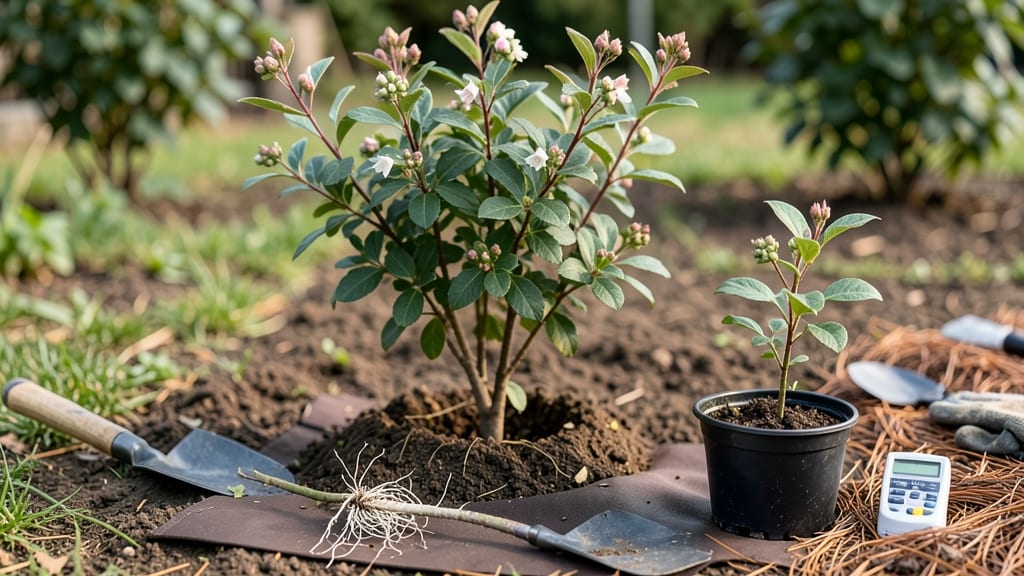
Timing your blueberry planting in Zone 6 isn’t just about picking a month—it’s about catching that sweet spot between soil warmth and frost risk to give your 🫐 bushes the best start. Zone 6’s short growing season means one wrong move (like planting too early) could leave your saplings vulnerable to late frosts, while waiting too long might stunt their root growth before winter.
Most gardeners in 6a-6b know spring is ideal, but did you realize the soil temperature matters more than the calendar? Aim for when the ground reaches 40–50°F—typically late March to early April—so roots can establish before summer heat hits.
Early fall (September) is a backup option if you’re planting bare-root bushes, but only if your last frost isn’t lurking.
Here’s the game-changer: pairing the right blueberry variety with your planting window. Cold-hardy types like ‘Bluecrop’ or ‘Patriot’ thrive with 500–1,000 chill hours, meaning they need that winter cold to fruit well. Plant them too late in spring, and you might skip next year’s harvest entirely.
Whether you’re digging in-ground beds or containers, I’ll walk you through the exact steps to time your planting, prep your soil, and avoid the 3 biggest mistakes that wreck Zone 6 blueberry success. Let’s get those bushes off to a flying start!
Zone 6 blueberry planting timeline: exact soil temperature & month window
Planting blueberries in Zone 6 requires precision—timing isn’t just about months, but soil temperatures between 40–50°F and avoiding late frosts. The ideal window is March–April for spring planting, or September–October for fall, when roots can establish before winter dormancy. Miss this window, and you risk frost damage or stunted growth.
Zone 6’s short growing season (165 frost-free days) means blueberries need a head start. Spring planting gives them 6–8 weeks of warm soil before summer heat, while fall planting lets roots harden off before first frost (mid-October). Both strategies work, but soil temperature is the true decider.
🌱 📌 Key Rule: Never plant when soil temps drop below 40°F—roots can’t absorb water, and plants may suffocate. Use a soil thermometer to check before digging.
📅 Zone 6 Blueberry Planting Comparison
| Season | Best Months | Soil Temp Requirement | Frost Risk | Root Establishment Time |
|---|---|---|---|---|
| Spring | March–April | 40–50°F | Moderate (late frosts) | 6–8 weeks before summer |
| Fall | September–October | 50–60°F | Low (before first frost) | 4–6 weeks before dormancy |
⚠️ Pro Tip: In Zone 6a (colder microclimates), delay spring planting until mid-April to avoid frost shock. Use row covers if planting early.
For bare-root plants, the earlier in spring you plant, the better—roots wake up faster in warmer soil. Aim for 4–6 weeks before last frost (typically April 15 in Zone 6). If buying container-grown blueberries, stretch the window to May, but expect smaller first-year yields.
Fall planting is trickier in Zone 6 because of early freezes.
Plant 6 weeks before first frost (usually late September) to let roots establish. Mulch heavily (4–6 inches of pine straw) to insulate roots through winter. Ever-bearing varieties like 'Top Hat' handle fall planting better than late-season varieties like 'Bluecrop'.
🌡️ 🌱 Microclimate Matters: Urban areas stay 5–10°F warmer than rural spots, extending your planting window. Check local USDA Zone 6a/6b maps—some cities (like Chicago) have earlier last frosts than others (like Boston).
If you’re container gardening, your timeline shifts slightly. Containers warm up faster than ground soil, so you can plant 2–3 weeks earlier in spring. Use black pots to absorb heat, but monitor soil temps—below 45°F can still stress roots.
In fall, move containers to a protected spot (like a garage) before 20°F nights.
🔍 🌱 Soil Prep Check: Before planting, amend soil to pH 4.5–5.5 (blueberries are acid-loving). Mix in peat moss or sulfur 2–3 weeks before planting to adjust pH. Test soil with a digital pH meter—above 6.0 and your blueberries won’t thrive.
Finally, avoid planting in soggy soil. Zone 6’s spring can bring wet conditions, but blueberries hate waterlogged roots. Choose a well-draining site with sandy loam or amend clay soil with compost and perlite.
If your yard is heavily compacted, consider raised beds—they warm up faster in spring and dry out quicker.
📅 🌱 Your Zone 6 Planting Calendar:
- February: Test soil pH, order plants
- March 15–April 15: Spring planting window
- September 1–October 15: Fall planting window
- November 1: Mulch and winterize
Zone 6 blueberry planting timeline: exact soil temperature & month window
Zone 6 gardeners know timing is everything, especially for blueberries that need 40–50°F soil to thrive. The last frost date (around April 15) isn’t your only guide—soil warmth triggers root growth, while air temperature still carries frost risk.
Plant too early, and your saplings could get nipped by late frosts; too late, and they won’t establish roots before summer heat arrives.
My ideal planting window for Zone 6 is late March to early April, when soil temps consistently hit 45°F. This gives roots 6–8 weeks to grow before summer’s peak.
For bare-root plants, early fall (September) is a backup, but only if your first frost is 6+ weeks away—Zone 6’s October 15 average is your cutoff.
Here’s the kicker: soil temperature matters more than air temp. Use a soil thermometer to confirm 40–50°F at 4 inches deep. If your garden runs cold (common in Zone 6a), aim for early April; warmer microclimates (Zone 6b) can start in late March.
Pro tip: Plant on a cloudy day to reduce transplant shock.
| Planting Window | Soil Temp | Frost Risk | Best For |
|---|---|---|---|
| Late March–Early April | 40–50°F | Low (post-last frost) | Bare-root & potted plants |
| September (Early Fall) | 50–60°F | Moderate (6+ weeks to frost) | Bare-root only |
| Avoid: February, May | Below 40°F or >60°F | High (frost or heat stress) | Not recommended |
For container-grown blueberries, you’ve got a little more flexibility. Containers warm up faster, so you can plant 2 weeks earlier than in-ground beds. Just ensure your pot has drainage holes and use a lightweight potting mix with peat moss to mimic acidic soil.
If your microclimate runs cold (like near a lake or shaded area), stick to the early April window—delaying risks stunted growth.
One last pro tip: Mulch immediately after planting with 3–4 inches of pine straw or wood chips. This keeps roots cool in summer and warm in winter, which is critical for Zone 6’s temperature swings.
Mulch also slows soil temp drops, protecting young roots if a late frost sneaks in.
Remember, blueberries are perennials—get the timing right now, and you’ll thank yourself next summer when your bushes burst with fruit. Pair this window with the right variety (more on that in the next section), and you’re set for a bountiful harvest in June–July.