
Plants
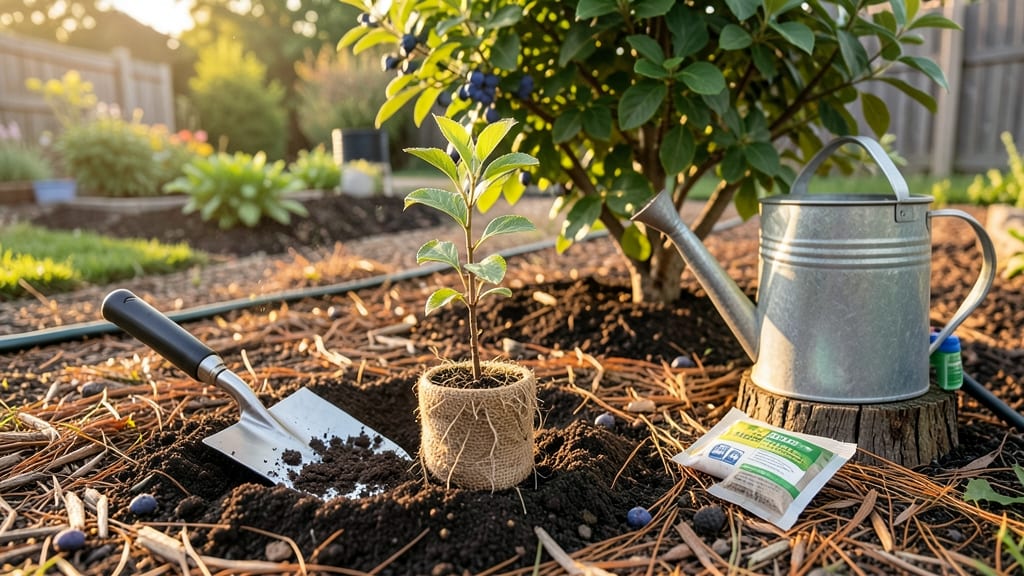
Timing matters more than you think when it comes to planting blueberries 🫐 in Zone 9—get it wrong, and your bushes might never thrive despite your best efforts.
The key lies in understanding your microclimate, whether you're near the coast, inland, or in a desert-like area where heat and soil conditions vary dramatically.
Most gardeners in Zone 9 assume spring is the only option, but late fall through early spring actually gives your blueberries the best chance to establish roots before summer's intensity kicks in.
We're talking November to February, when soil temperatures are cooler and moisture levels are more predictable—critical factors for young plants.
Why does this matter? Because Zone 9’s extended growing season and heat can stress blueberries if planted too late in spring, leading to poor fruit set or even plant death.
I’ll break down the exact weeks to plant based on your specific microclimate, plus soil prep tips to ensure your bushes take root like a pro.
Ready to grow blueberries that produce bumper crops year after year? Let’s dive into the science-backed planting schedule that works for Zone 9’s unique climate challenges.
Optimal planting weeks for blueberries in Zone 9 by microclimate
Zone 9’s diverse microclimates—from coastal breezes to inland heat—create critical differences in blueberry planting success. Coastal areas stay milder longer, while inland zones face hotter springs and dry summers.
Desert microclimates add extra challenges with intense sunlight and low humidity. Timing your plantings to these conditions ensures root establishment before summer stress hits.
Blueberries thrive when planted during cooler months when soil temperatures stay below 70°F (21°C). In Zone 9, this window shifts based on location: November to February is ideal for most areas, but coastal gardeners can extend it slightly later.
The key is avoiding peak summer heat, which causes transplant shock and poor root growth.
Here’s how to align your planting with Zone 9’s three dominant microclimates: coastal, inland, and desert. Each requires specific timing adjustments to maximize survival rates and fruit production.
For coastal gardeners, the extended window (November–March) allows flexibility, but don’t wait past early March—soil warms quickly, and young roots can suffocate. Inland areas must plant by January to avoid the dry, hot springs that stress transplants.
Desert zones are the most time-sensitive: plant before October to give roots time to establish before 100°F+ (38°C+) temperatures arrive.
Another critical factor is rainfall timing. Inland and desert microclimates often lack winter rains, so supplemental watering is essential during the first 4–6 weeks post-planting. Aim for 1–2 gallons per plant every 3–5 days to keep soil consistently moist but not waterlogged.
A drip irrigation system works best to avoid wetting foliage, which can invite fungal diseases.
If you miss the ideal window, fall planting (September–October) is your next best option, especially in desert areas. While not as optimal, it still allows roots to establish before summer.
Avoid planting in late spring or summer—transplants will burn under Zone 9’s intense sun and struggle to recover.
One common mistake is assuming all Zone 9 areas are the same. For example, Santa Barbara’s coastal climate allows March planting, while Riverside’s inland heat demands January cutoff.
Always check your local frost dates (typically January 15 for last frost) and adjust accordingly. Use the USDA Plant Hardiness Zone Map and local weather stations for precise data.
For container gardening in Zone 9, timing is even more critical. Pots heat up faster, so plant 1–2 months earlier than ground plantings—aim for September–October in inland areas. Choose large containers (15+ gallons) with drainage holes and use acidic potting mix to mimic ideal soil conditions.
Move containers to shadier spots during peak afternoon sun (12–4 PM) to prevent heat stress.
Finally, consider blueberry variety when planning. Some, like ‘Misty’ or ‘Peach Sorbet’, tolerate heat better and may have slightly adjusted planting windows. Always pair your timing with proper soil prep—amend with peat moss or sulfur to reach the acidic pH (4.5–5.5) blueberries crave.
With the right timing and care, your Zone 9 blueberries can thrive year after year.
Optimal planting weeks for blueberries in Zone 9 by microclimate
Zone 9’s diverse microclimates—coastal, inland, and desert—create critical differences in blueberry planting windows. Coastal areas with milder winters and higher humidity offer a broader window, while inland desert zones demand earlier planting to avoid summer heat stress.
Understanding these variations ensures your bushes establish roots before Zone 9’s intense summer heat kicks in.
For coastal Zone 9 (e.g., Southern California, coastal Florida), aim to plant blueberries between late November and early March. The soil stays cooler longer, reducing transplant shock.
Inland areas like Arizona’s Phoenix metro or Texas Hill Country should plant from October to December, avoiding the late-winter heat spikes that can stress young roots.
Desert microclimates (e.g., Palm Springs, Las Vegas outskirts) require the earliest possible planting—late September to November—to let roots establish before 100°F+ temperatures arrive. Even dwarf varieties struggle in these conditions if planted too late.
Timing isn’t just about months—it’s about soil temperature. Use a soil thermometer to confirm 50-60°F (10-15°C) soil temps at planting depth (6 inches). In desert zones, wait until evening temps drop below 75°F (24°C) to plant, as daytime heat can scorch roots within hours.
Pro tip: Container-grown blueberries adapt better to Zone 9’s heat than bare-root transplants. If planting in summer (June-July), choose potted nursery plants with established root balls—just water deeply every 2-3 days and provide afternoon shade for the first month.
Remember, Zone 9’s extended growing season means blueberries can produce fruit twice a year if planted correctly. But rushing the process risks heat stress or poor pollination. Stick to these windows, and you’ll enjoy juicy berries by late spring—not just once, but for years to come.