
Plants
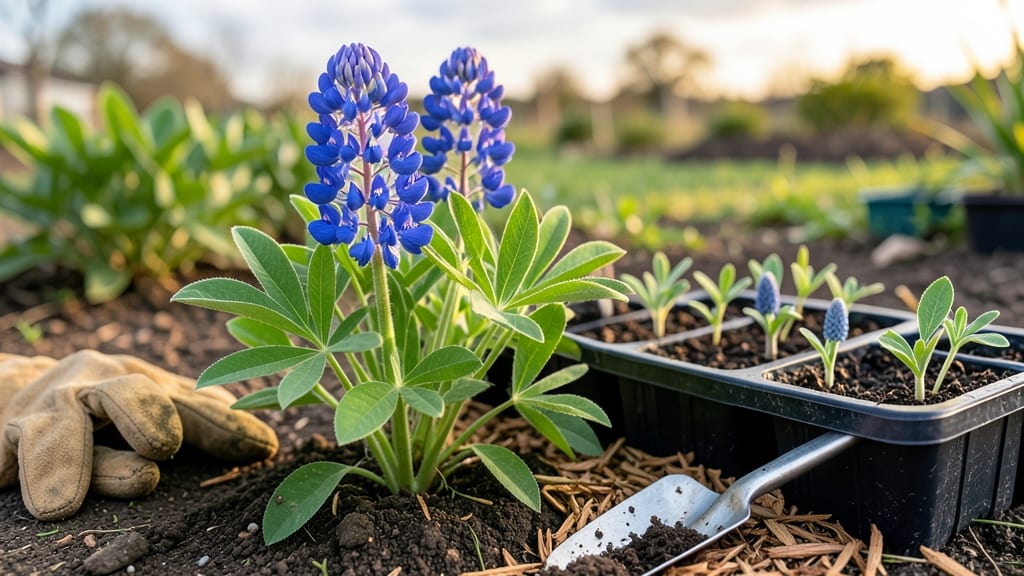
If you've ever dreamed of waking up to a sea of bluebonnet blooms 🌸 blanketing your North Texas lawn, timing your planting is the secret weapon you can't afford to miss.
Planting too early or late can mean the difference between a vibrant spring display and a disappointing patch of dirt—or worse, no flowers at all.
North Texas's USDA Zone 7b-8b climate throws a curveball with its unpredictable microclimates, where Dallas-Fort Worth's urban heat can differ dramatically from the cooler hills of Abilene.
The perfect window for sowing bluebonnet seeds is late September through early November, but knowing exactly when to pull the trigger depends on soil temperatures, frost dates, and even your yard's specific exposure.
I've helped countless gardeners in the Lone Star State transform their landscapes with these hardy wildflowers, and the one thing they all wish they'd known sooner? How to read their microclimate like a pro.
Whether you're prepping a wildflower meadow or just sprinkling seeds in your lawn, these insights will help you avoid common pitfalls and set your bluebonnets up for success.
Let's dive into the exact deadlines, soil prep secrets, and microclimate hacks that will have your bluebonnets thriving—because in North Texas, timing isn't just important, it's everything. Ready to turn your yard into a bluebonnet paradise?
North Texas bluebonnet planting deadlines by USDA Zone 8a subtypes
North Texas' USDA Zone 8a spans diverse microclimates where bluebonnet planting deadlines can shift by 2-3 weeks between cities. The key is aligning your schedule with soil temperatures and frost dates—not just calendar months.
For Dallas-Fort Worth, aim for late September, while Waco and Abilene may need seeds in the ground by early October to avoid winter dormancy.
Bluebonnets require consistent soil temps between 60-70°F to germinate. In North Texas, this typically occurs after late September heatwaves break. Planting too early (before mid-September) risks rot from lingering summer heat, while waiting past early November may leave seeds vulnerable to winter rains and frost.
Your local average first frost date (typically mid-November) acts as your deadline. Seeds need 4-6 weeks to establish roots before winter sets in. For example, Lubbock's cooler nights may require planting by October 15th, while Arlington's urban heat island effect allows until November 1st.
Here's how to translate these guidelines into action for your specific location:
| Location | Ideal Planting Window | Soil Temp Threshold | Frost Risk |
|---|---|---|---|
| Dallas-Fort Worth | Late Sept - Oct 15 | 60-70°F | Low after Oct 20 |
| Waco | Early Sept - Oct 1 | 60-70°F | Moderate after Oct 10 |
| Abilene | Mid-Sept - Sept 30 | 58-68°F | High after Oct 5 |
| Lubbock | Late Aug - Sept 20 | 55-65°F | Very High after Sept 25 |
For urban gardeners, city heat can push planting dates 1-2 weeks later than rural areas. Use a soil thermometer ($15 at garden centers) to verify temps—60°F is your minimum for germination. If temps dip below 55°F at night, cover seeds with lightweight row fabric until roots establish.
Pro tip: Scratch-test your soil before planting. Moisten a small patch and scratch the surface—if it crumbles easily, it's ready. If it forms clumps, wait 3-5 days for better conditions. Bluebonnets thrive in sandy loam with good drainage, so avoid heavy clay soils unless amended with compost.
Remember that bluebonnets are biennials—they germinate in fall, grow roots, then bloom the following spring. Planting at the right time ensures they'll survive winter and reward you with vibrant blue blooms in March-April.
The earlier you plant, the more established they'll be by frost, leading to healthier, more prolific displays.
For large-scale planting (like meadows), use a broadcast spreader and lightly rake seeds into soil. For lawn integration, plant in early fall when grass is dormant—this gives bluebonnets a competitive edge for sunlight and water.
Track your local frost dates using the Texas A&M AgriLife Extension website or free apps like PlantNet. These tools provide hyper-local adjustments to the general guidelines above. With precise timing, your North Texas bluebonnet garden will thrive year after year! 🌸
Microclimate hacks: adjusting planting dates for your specific North Texas location
North Texas's diverse microclimates can shift your bluebonnet planting window by weeks—especially when comparing urban Dallas to hilly Abilene. Urban areas like Fort Worth trap heat, while higher elevations cool faster.
I’ve seen bluebonnets thrive in late October in rural areas but struggle when planted too early in city heat islands.
Your yard’s exposure and elevation matter most. South-facing slopes warm up faster, while north-facing areas stay cooler. Proximity to water bodies also plays a role—wetlands stay moist longer, delaying frost. Use these factors to fine-tune your planting schedule for maximum success.
Here’s how to adjust your timing based on local conditions:
For cooler microclimates, use mulch or cold frames to extend your window. A 2-inch layer of straw insulates soil, keeping seeds viable for 2-3 extra weeks in areas prone to early frosts. I’ve even seen gardeners in Zone 8a’s cooler pockets plant as late as November 1st with success.
Test your soil temperature with a thermometer—aim for 60-70°F at 2-inch depth. If it’s hotter, wait. If it’s cooler, you’re golden. Bluebonnets are tough, but they’ll thank you for reading their microclimate cues.
Pro tip: Observe your neighbors’ bluebonnets—if their leaves are already forming in fall, it’s time to plant. Nature’s calendar is the best guide! 🌸