
Plants
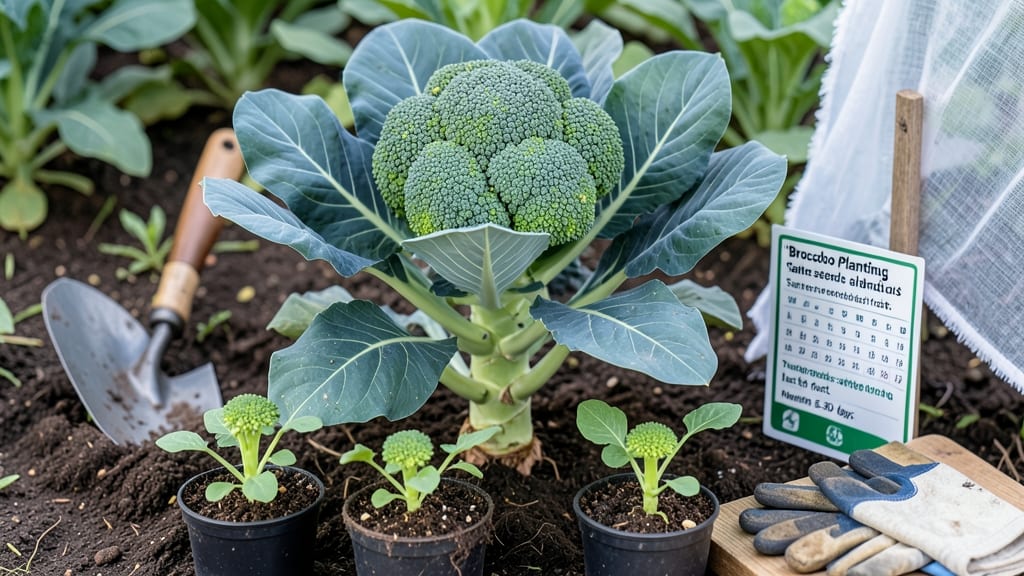
Timing your broccoli 🥦 planting in Minnesota isn't just about following a calendar—it's about outsmarting the 4a-5a zone's unpredictable frosts. Get it wrong, and you might lose your entire crop before it even gets a chance to thrive.
The key is knowing exactly when to start seeds indoors or set out transplants, so you're ready to harvest just as summer peaks.
I've learned the hard way that Minnesota's short growing season demands precision. Whether you're a first-time gardener or a seasoned green thumb, understanding the frost-free window—typically between mid-May and mid-October—is your first step to success.
We'll break down exactly when to plant for both spring and fall harvests, so you can maximize your garden's potential.
Most gardeners in Minnesota focus on spring planting, but fall crops can be just as rewarding if timed correctly. The secret lies in choosing the right varieties and preparing your soil properly—two topics we'll dive into deeply.
Let's make sure your broccoli gets the head start it needs to beat Minnesota's early frosts.
Ready to transform your backyard into a broccoli powerhouse? I'll walk you through everything from seed starting to transplanting, including local tips that actually work in our climate. Your future harvests will thank you!
Minnesota broccoli planting calendar: frost-free window by month
Timing your broccoli planting in Minnesota’s Zone 4B means working with a 120-150 day frost-free window. The key is planting 4-6 weeks before your last frost date (typically mid-May) for spring harvests, or 8-10 weeks before your first frost (usually mid-October) for fall crops.
Let’s break down the best months for each season to maximize your yield.
For spring planting, start seeds indoors in March (6-8 weeks before transplanting) or sow directly in early April when soil temperatures reach 40°F+. Transplant seedlings outdoors after the last frost date, ideally by late April to early May.
This ensures your broccoli matures before summer heat sets in.
Fall planting offers a second chance for harvest. Begin sowing seeds indoors in early July or directly outdoors in mid-July for a September-October harvest. Choose fast-maturing varieties to avoid early frosts. Transplant seedlings by late July to give them enough time to develop heads before winter arrives.
Here’s your Minnesota broccoli planting calendar with frost-free windows, soil prep tips, and ideal transplanting times:
| Season | Month | Task | Notes |
|---|---|---|---|
| Spring | March | Start seeds indoors | 6-8 weeks before last frost |
| April (early) | Direct sow outdoors | Soil temp ≥40°F, after last frost | |
| Late April - Early May | Transplant seedlings | 18-24" apart, full sun | |
| Fall | Early July | Start seeds indoors | 8-10 weeks before first frost |
| Mid-July | Direct sow outdoors | Fast-maturing varieties only | |
| Late July | Transplant seedlings | Avoid bolting from heat |
Pro tip: Use Minnesota’s average last frost dates as a guide, but check your local microclimate. Urban areas may warm up faster than rural spots, while valleys can stay colder longer.
For precise dates, consult the University of Minnesota Extension frost calendar or plant a test crop of radishes to gauge soil warmth.
Soil preparation is just as critical as timing. Amend your garden beds with compost or aged manure in early spring to improve drainage and fertility.
Broccoli thrives in slightly acidic soil (pH 6.0-7.0), so test your soil in fall or early spring and adjust with lime or sulfur if needed. A 1-2 inch layer of mulch helps retain moisture and regulate soil temperature.
If you’re planting in containers, choose large pots (at least 12 inches deep) and use a well-draining potting mix. Container-grown broccoli may need more frequent watering and protection from late frosts using row covers. Place pots in south-facing locations to maximize sunlight exposure.
Remember, succession planting every 2 weeks in spring and fall ensures a continuous harvest. By staggering your plantings, you’ll avoid a glut of broccoli all at once and extend your growing season.
For example, sow a new batch in mid-May for a July harvest and another in early August for a late fall crop.
Finally, keep an eye on your local weather forecasts in late May and September. Unexpected late frosts can damage young plants, while heatwaves may cause bolting. If frost threatens, cover seedlings with frost cloth or move containers to a sheltered spot.
With the right timing and a little flexibility, you’ll enjoy homegrown broccoli from June through October!
How to extend your broccoli growing season in cold climates
Minnesota’s short frost-free window (just 120-150 days!) can feel like a race against time, but with the right techniques, you can grow broccoli 🥦 well beyond the typical planting windows. I’ve found that season extension methods like row covers and cold frames add precious weeks to your harvest—sometimes even months!
These strategies let you plant earlier in spring or later in fall, giving your plants the extra time they need to mature before frost strikes.
The key is combining protective barriers with fast-maturing varieties. For example, using a lightweight row cover can push your spring planting back by 2-3 weeks, while a cold frame might extend your fall harvest into November.
I’ve seen gardeners in Zone 4B double their broccoli yield just by adjusting their timing and using simple tools like hoop tunnels or even old window frames covered with plastic.
Let’s break down the most effective methods for Minnesota gardeners, ranked by ease of use and impact:
Use row covers (floating or hoop)
Adds 4-6°F protection and extends season by 3-4 weeks. Lightweight fabric lets sunlight and water through while blocking frost.
Plant in cold frames or low tunnels
Traps heat from sunlight, keeping soil 5-10°F warmer. Ideal for fall transplants or early spring starts.
Choose fast-maturing varieties (50-60 days)
Prioritize hybrids like 'De Cicco' or 'Calabrese', which mature 2-3 weeks faster than standard types.
Practice succession planting
Sow seeds every 2 weeks from April to July for a continuous harvest. Staggered plantings ensure at least one crop reaches maturity.
Harvest side shoots after main head
Cut main head, then let 3-4 smaller shoots regrow for extra weeks of harvest before frost.
One of my favorite tricks is combining a hoop tunnel with drip irrigation. The tunnel protects plants from frost while the irrigation keeps soil moist—critical for broccoli’s high water needs during head formation.
I’ve used this setup to harvest broccoli as late as mid-November in my Zone 4B garden, even when temperatures dropped below freezing at night.
For fall planting, aim to transplant 8-10 weeks before your first frost (typically by early August in Minnesota). Use a cold frame or straw mulch to insulate roots, and choose varieties like 'Waltham 29', which tolerates cooler temperatures better than most.
With these methods, you can enjoy homegrown broccoli well into October—sometimes even November—when stores are already stocked with imported, flavorless alternatives.
Don’t let Minnesota’s short season limit your broccoli dreams. With these season-extension hacks, you can turn your garden into a year-round (or nearly year-round) broccoli powerhouse. The key is starting small—try one method this year, like a row cover or succession planting, and build from there.
Your taste buds—and your dinner plate—will thank you! 🌱