
Plants
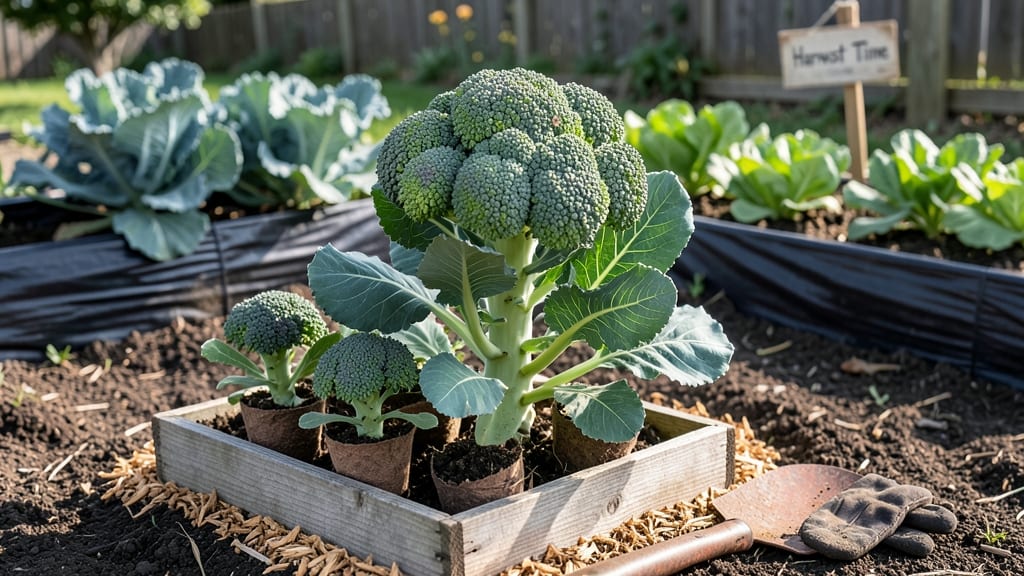
Timing your fall crops in Zone 7 planting window could mean the difference between a garden bursting with fresh kale and carrots or a sad pile of frost-nipped seedlings.
The 4-6 week rule before your first frost isn't just a suggestion—it's the secret to unlocking the full potential of your cool-season harvests.
I've seen firsthand how a just-right planting schedule transforms a Zone 7 garden from mediocre to extraordinary.
Whether you're growing leafy greens that thrive in cooler weather or root vegetables that need time to mature, getting these dates right ensures you'll be harvesting crisp produce long after summer's heat has faded.
But here's the catch: Zone 7 isn't one-size-fits-all. Your neighbor's perfect timing might not work for your microclimate, whether it's the urban heat island effect or higher elevation areas that cool faster.
Let me show you exactly how to calculate your ideal planting dates—and why those 2-4 week adjustments can make all the difference.
We'll cover everything from soil temperature checks to variety selection that suits your local conditions. By the end, you'll have a clear checklist to prepare your fall garden for success—no more guessing games about when to plant your 🌾 fall crops in Zone 7.
Optimal planting windows for fall crops in Zone 7 by variety type
In Zone 7, the first frost typically arrives around October 15, giving you a 4-6 week window to plant cool-season crops for a fall harvest. The key is timing—plant too early, and your crops bolt in summer heat; too late, and frost ruins them before maturity.
Let’s break down the perfect planting schedule for your favorite fall crops.
Most cool-season vegetables thrive when soil temperatures drop below 80°F but stay above 40°F. This usually means starting seeds or transplants in late July to early September, depending on the crop.
For example, leafy greens like spinach can handle cooler temps, while broccoli and cabbage need a longer growing season to mature before frost.
Here’s a crop-by-crop planting guide tailored to Zone 7’s climate, including ideal transplant dates and harvest windows to maximize your garden’s potential. Remember, these dates assume a typical Zone 7 frost date, but your local microclimate may shift them by a week or two.
🌱 Pro Tip: Always check your local frost dates using the National Weather Service or Almanac’s Frost Calculator. Urban areas often frost earlier than rural spots due to heat islands, so adjust accordingly.
| Crop Type | Planting Window (Zone 7) | Days to Maturity | Harvest Window | Notes |
|---|---|---|---|---|
| Leafy Greens (Lettuce, Spinach, Kale) | Late July - Early September | 30-50 days | September - November | Tolerates light frost; succession plant every 2 weeks. |
| Brassicas (Broccoli, Cabbage, Cauliflower) | Mid-July - Mid-August | 60-90 days | September - October | Needs longer growing season; start early for fall harvest. |
| Root Vegetables (Carrots, Beets, Radishes) | Late July - Early September | 40-70 days | September - November | Radishes mature fastest; carrots need loose soil. |
| Alliums (Onions, Garlic, Leeks) | Late July - Early August | 80-120 days | October - November | Plant sets or transplants; garlic can be planted in fall for next year. |
| Peas (Snow, Sugar Snap) | Late August - Early September | 50-70 days | September - October | Cold-hardy; plant trellises early for support. |
For slow-growing crops like broccoli, aim to plant 8-10 weeks before your first frost. In Zone 7, that’s typically by mid-August.
Meanwhile, fast-maturing crops like radishes or lettuce can handle later plantings—even as late as early October—as long as they mature before temperatures dip below 20°F.
If you’re starting seeds indoors, begin 4-6 weeks before transplanting outdoors. For example, sow kale seeds indoors in late June to transplant in early August, ensuring it matures before frost. Seedling trays with grow lights help speed up early growth in summer’s heat.
Don’t forget succession planting! For crops like lettuce or spinach, sow new seeds every 2-3 weeks from July through September. This staggered approach ensures a continuous harvest until frost.
For instance, plant one batch in late July, another in early August, and a final batch in mid-September.
Soil temperature
How microclimates in Zone 7 shift planting dates by 2-4 weeks
Zone 7 might cover a broad area, but your local microclimate can shift ideal fall planting dates by weeks. I’ve seen gardens in Roanoke, Virginia (higher elevation) need to plant 2 weeks earlier than those in Richmond—the same crops, but completely different timing.
These variations come from factors like elevation, urban heat islands, and wind exposure, all of which affect soil temperature and frost risk.
For example, a south-facing urban garden in Raleigh might stay warm enough for late spinach or radishes until mid-October, while a rural area just 20 miles away could face frost by early October.
Understanding these shifts helps you avoid overlapping harvests with frost or leaving your garden empty when neighbors are still reaping rewards.
Let’s break down how to adjust your planting schedule based on your specific microclimate—because a one-size-fits-all approach in Zone 7 won’t cut it.
| Microclimate Factor | Effect on Planting Dates | Example Adjustment |
|---|---|---|
| Urban Heat Island | Delays first frost by 1-2 weeks | Plant kale or broccoli 1 week later |
| High Elevation (>1,000 ft) | Cooler soil; frost arrives 2-3 weeks earlier | Start carrots or beets 2 weeks sooner |
| Wind Exposure | Increases frost risk; plants mature slower | Choose faster-maturing varieties or plant earlier |
| South-Facing Slopes | Warmer soil; extends growing season by 1-2 weeks | Delay lettuce planting by 1 week |
If you’re unsure about your microclimate’s impact, start by checking your local frost dates. The USDA provides average first frost dates, but your actual frost date could vary by weeks.
For example, Charlottesville’s average first frost is October 15, but urban areas might push it to October 22, while mountain regions could see frost by October 1.
Another trick I use is the soil thermometer. Cool-season crops like spinach and radishes thrive when soil temps are between 45°F and 75°F. If your soil stays above 75°F into September, delay planting until temps drop—otherwise, your seeds might bolt or struggle to germinate.
For urban gardeners, heat from buildings and pavement can create a microclimate oasis. I’ve seen green beans still producing in November in city gardens when rural areas were already blanketed in frost.
Use this to your advantage by planting heat-loving crops like Swiss chard later than the general guidelines suggest.
Finally, observe your garden’s past performance. Keep a journal of when you planted last year, when frost hit, and how your crops fared. Over time, you’ll spot patterns—like how your kale always bolts if planted after September 15.
Adjust your schedule accordingly, and you’ll harvest like a pro every fall.