
Plants
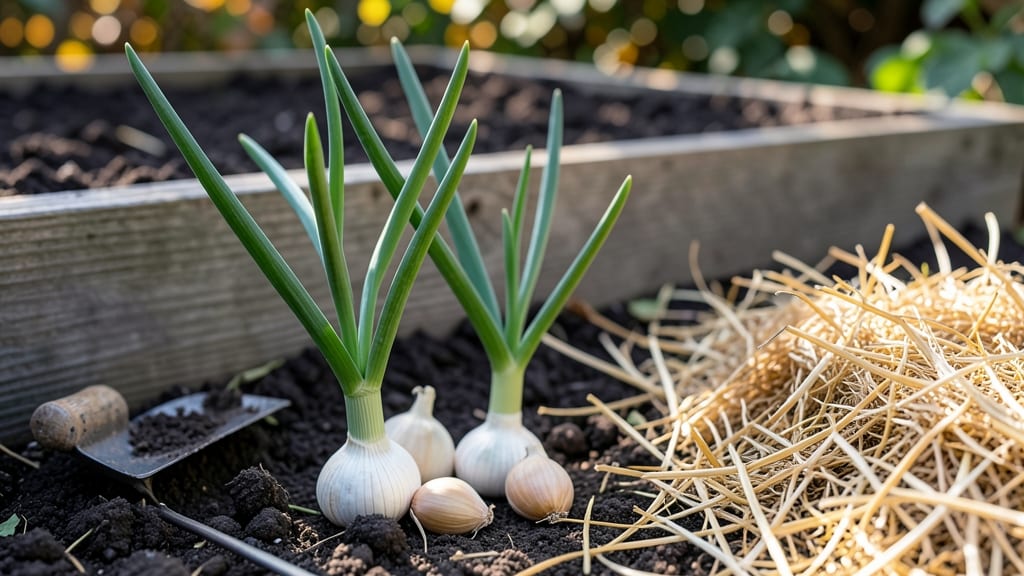
Knowing when to plant garlic in Zone 10a can mean the difference between a bountiful harvest and wasted effort—especially when your winters are mild and unpredictable. Unlike northern climates, Zone 10a gardeners like you in Southern California or Coastal Florida don’t have to wait for frost to plant 🧄.
But timing still matters, because planting too early can lead to bolting (those unwanted flower stalks), while waiting too long risks weak root establishment before summer heat arrives.
The sweet spot for Zone 10a garlic planting is October through December, when soil temperatures hover between 60°F and 70°F—ideal for root development without stress. This window also lets you take advantage of winter rains, which naturally water your cloves without extra effort.
Even if you miss fall, you can still plant in January or February, though yields may be smaller.
What sets Zone 10a garlic apart is the variety you choose. Hardneck types (like ‘California Early’) handle mild winters better, while softneck varieties (such as ‘Artichoke’) store longer but need consistent moisture.
I’ll walk you through selecting the right cloves, prepping your soil, and spacing them perfectly to avoid competition—so you can enjoy fresh garlic from May through July, no matter how warm your winters get.
Ready to grow garlic that thrives in your climate? Let’s break down the exact steps to time your planting, adjust for your local microclimate, and troubleshoot common pitfalls—so you can skip the guesswork and start harvesting sooner.
Optimal planting timeline for Zone 10a garlic (fall 2024 dates)
Zone 10a’s mild winters create a unique opportunity for garlic cultivation, but timing is everything. Unlike colder zones, you can plant hardneck and softneck varieties in either fall or early winter. The key is avoiding summer heat stress while ensuring 60°F-70°F soil temperatures for root establishment.
For Southern California and Arizona, aim for October through December—this aligns with natural rainfall patterns and cooler evenings. Coastal Florida gardeners should plant slightly later, from November to January, to escape summer’s oppressive heat.
Here’s the critical window: Plant when daytime highs average 75°F or below and nights dip into the 50s°F. This prevents premature bolting (flowering) and ensures robust bulb development.
In Southern California’s inland valleys, plant by mid-October to capitalize on winter rains. Coastal areas can extend planting until early December thanks to milder microclimates. For Arizona’s Sonoran Desert, focus on October to avoid summer’s extreme heat.
Hardneck varieties (like ‘California Early’) perform best when planted in October-November, while softneck types (such as ‘Artichoke’) tolerate slightly later plantings. The trade-off? Softnecks may yield smaller bulbs if planted after November 15th.
Use a soil thermometer to verify conditions—60°F soil is the absolute minimum for root growth. If temperatures drop below 50°F at night, mulch heavily with straw or wood chips to protect emerging cloves.
Pro tip: Adjust for elevation. Mountainous areas of Zone 10a (like Southern Arizona’s Catalina Foothills) can plant 2-3 weeks later than coastal regions, as cooler high-desert nights delay bolting.
Remember, Zone 10a’s lack of frost means garlic won’t experience the cold vernalization hardnecks need—but don’t worry! Many heat-tolerant varieties (like ‘Silverskin’) thrive without it, producing excellent yields for fresh eating or storage.
For a year-round harvest strategy, stagger plantings: Start with 20% of cloves in October, another 30% in November, and the final 50% in December. This ensures continuous bulb maturity from May through July.
Optimal planting timeline for Zone 10a garlic (fall 2024 dates)
Zone 10a’s mild winters mean you can plant garlic anytime from October through December, but the best window is when soil temperatures stay between 60°F and 70°F. This range encourages strong root growth before winter rains arrive.
For Southern California, aim for early November, while Arizona gardeners should plant in late October to avoid summer heat stress. Coastal Florida’s northern regions can extend planting into early December.
Hardneck varieties like ‘California Early’ need slightly cooler conditions, so plant them in October or early November. Softneck types, such as ‘Artichoke’, tolerate warmer winters and can go in until mid-December.
If you miss fall, January or February plantings are possible, though yields may be smaller due to shorter root establishment before summer.
🌱 Pro Tip: Use a soil thermometer to confirm temperatures—garlic roots struggle below 50°F or above 75°F. In urban areas like Los Angeles, microclimates can vary by 10°F between neighborhoods, so adjust accordingly.
If you’re in Southern Arizona, plant in late October to escape summer’s 100°F+ heat. For Coastal Florida, extend planting to mid-December—humidity helps prevent bolting. Always plant 4–6 weeks before expected winter rains to let roots establish without waterlogging.
🌿 Key Adjustments: Add 2–3 inches of mulch (straw or wood chips) after planting to regulate soil temps. In clay-heavy soils (common in Zone 10a), mix in compost or sand to improve drainage—garlic hates soggy roots.
Missed the fall window? Don’t despair—January or February plantings can still work, but reduce spacing by 20% to compensate for shorter growth cycles. Just be prepared for smaller bulbs and prioritize softneck varieties like ‘Silverskin’, which store better.