
Plants
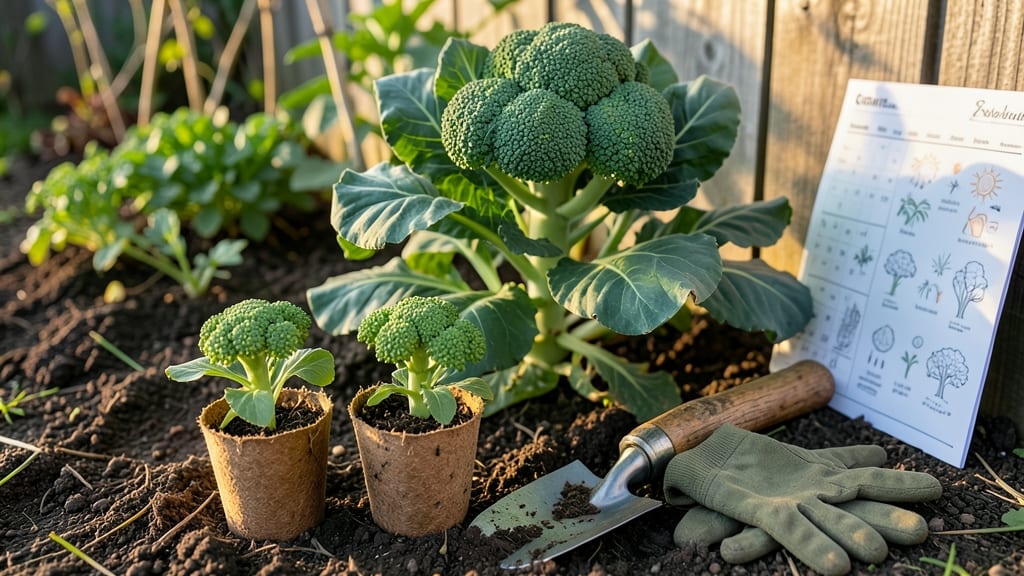
If you're wondering when to plant broccoli in Seattle, timing is everything—especially when your garden faces the city's chilly, damp springs and unpredictable autumns. With the right schedule, you can grow 🥦 that thrives in Zone 8a's climate, avoiding frost damage while maximizing your harvest.
Seattle's 180 frost-free days create a narrow window for success, but don't let that scare you off. Whether you're a first-time gardener or a seasoned green thumb, planting broccoli in early spring (March-April) or late summer (August-September) sets you up for a bountiful crop by June or October.
Here's the game-changer: understanding your microclimate matters more than calendar dates. Coastal areas like Ballard stay cooler longer, while inland neighborhoods warm up faster—both affect when you should start seeds indoors or transplant seedlings.
I'll walk you through the exact planting timeline, soil prep secrets, and how to protect your 🥦 from Seattle's infamous late frosts. Let's get those plants in the ground at the perfect moment for maximum yield.
Seattle’s broccoli planting calendar: frost dates & optimal windows
Seattle’s cool, wet climate demands precise timing for broccoli—plant too early, and frost zaps your seedlings; too late, and summer heat bolsters pests. The last average frost date in Seattle is March 15, but microclimates (like windy Ballard) can delay this by 1-2 weeks.
For fall crops, aim to plant 10-12 weeks before the first frost (around November 1), giving broccoli time to mature before winter sets in.
Broccoli thrives in 60-70°F soil and 50-80°F air temperatures. Seattle’s spring often lingers in the 40s°F until May, so use row covers or cold frames to protect young plants. Fall planting benefits from cooler nights, reducing bolting (premature flowering) that plagues summer heat.
Plan your 70-85°F growing window by calculating 100-120 days from transplanting to harvest—critical for Seattle’s short seasons.
| Season | Planting Window | Key Actions | Harvest Time |
|---|---|---|---|
| Spring | March 1–April 15 | Start seeds indoors Feb 15; transplant 4–6 weeks before last frost (use row covers if needed). | June–July |
| Fall | August 1–September 15 | Direct-sow seeds or transplant 10–12 weeks before first frost. Use shade cloth if summer heat exceeds 80°F. | October–November |
For spring planting, begin seeds indoors February 15–March 1 to ensure 4-6 week old seedlings are ready for transplanting after the last frost. Harden off seedlings by placing them outdoors for 2-3 hours daily starting 2 weeks before transplanting.
In Seattle’s Zone 8a, this means seedlings should be outdoors by late February, even if frost lingers.
Fall planting offers a second harvest opportunity but requires earlier action. Start seeds indoors July 1–August 1 or direct-sow outdoors August 15–September 1. Choose fast-maturing varieties (like 'De Cicco') to avoid bolting from shortening daylight in late September.
Mulch with straw or leaves to insulate roots from temperature swings common in Seattle’s fall.
Seattle’s Pacific Ocean influence creates cooler microclimates near water (e.g., Ballard) and warmer pockets inland (e.g., West Seattle). Adjust planting dates by 1 week earlier for inland areas and 1 week later for coastal zones.
Use a soil thermometer to confirm 50°F+ soil temps before transplanting—critical for root establishment in Seattle’s damp, slow-warming springs.
Extend your broccoli season with succession planting: sow every 2 weeks from March to May for continuous harvests. In fall, stagger plantings every 3 weeks from August to September.
This strategy maximizes yield and minimizes bolting risk from fluctuating temperatures. Pair broccoli with companion plants like bush beans or dill to deter pests and improve soil health.
Monitor local weather forecasts for unexpected late frosts, which can occur in Seattle until mid-April. Use frost cloth or row covers on nights when temps drop below 32°F. For fall crops, prioritize cold-hardy varieties like 'Waltham 29', which tolerates 25°F without damage.
Always plant broccoli in full sun (6+ hours), even in Seattle’s cloudy skies—south-facing beds yield the best results.
Seattle’s acidic soil (pH 6.0–6.8) often needs lime or compost to reach broccoli’s ideal pH 6.5–7.0. Test soil 4–6 weeks before planting and amend as needed. Add 2–3 inches of compost at planting to provide nutrients and improve drainage, which is critical in Seattle’s clay-heavy soils.
Mulch with straw or wood chips to retain moisture and suppress weeds—especially important in Seattle’s wet springs and falls.
Remember: Broccoli is a cool-season crop, so avoid planting during Seattle’s hottest months (July–August). Instead, focus on spring and fall windows for the most reliable harvests. With these climate-specific adjustments, you’ll enjoy homegrown broccoli from June through November—even in Seattle’s unpredictable weather. 🥦
Microclimate secrets: how Seattle’s neighborhoods affect broccoli success
Seattle’s weather isn’t one-size-fits-all—your neighborhood’s microclimate can shift your 🥦 planting window by weeks. Coastal areas like Ballard or West Seattle stay cooler longer due to ocean breezes, while inland spots near Lake Washington or South Seattle warm up faster.
This means your March planting in one zone might be too early for another.
For example, Ballard’s average last frost is March 22 (7 days later than downtown), while South Seattle can safely plant by March 10. These differences matter when calculating your 70-85°F growing window—critical for broccoli success.
Here’s how to adapt: if you’re in a cooler microclimate, start seeds indoors 6-8 weeks earlier or use row covers to extend your season. In warmer zones, you might squeeze in a second fall crop by planting in early August instead of September.
| Neighborhood | Avg. Last Frost | Planting Adjustment | Wind Protection Tip |
|---|---|---|---|
| Ballard/West Seattle | March 22 | Start seeds indoors by Feb 15 | Use windbreaks or plant near fences |
| South Seattle | March 10 | Direct sow by March 1 | Mulch heavily to retain heat |
| Downtown/Capitol Hill | March 15 | Transplant seedlings by March 10 | Use cold frames for early starts |
Wind is another microclimate villain in Seattle—exposed gardens (like those near Lake Union) can dry out seedlings or stunt growth. I’ve found that planting near hedges or fences reduces wind by 50%, while mulching with straw keeps roots stable.
For container gardens, elevated pots with wind guards work wonders in breezy areas.
Pro tip: Check your USDA Zone 8a status, then adjust by ±1 week based on your neighborhood’s history. The Seattle Public Utilities frost maps are a goldmine for local data—bookmark them before your first planting!
Don’t overlook urban heat islands either. Pavement-heated areas (like near I-5) can push soil temps 5-10°F warmer than surrounding zones. If your garden is in one of these spots, you might safely plant 2 weeks earlier than the general guideline.
By mastering these microclimate tweaks, you’ll turn Seattle’s quirks into advantages—growing 🥦 that outpaces frost and outlasts the rain. 🌱