
Plants
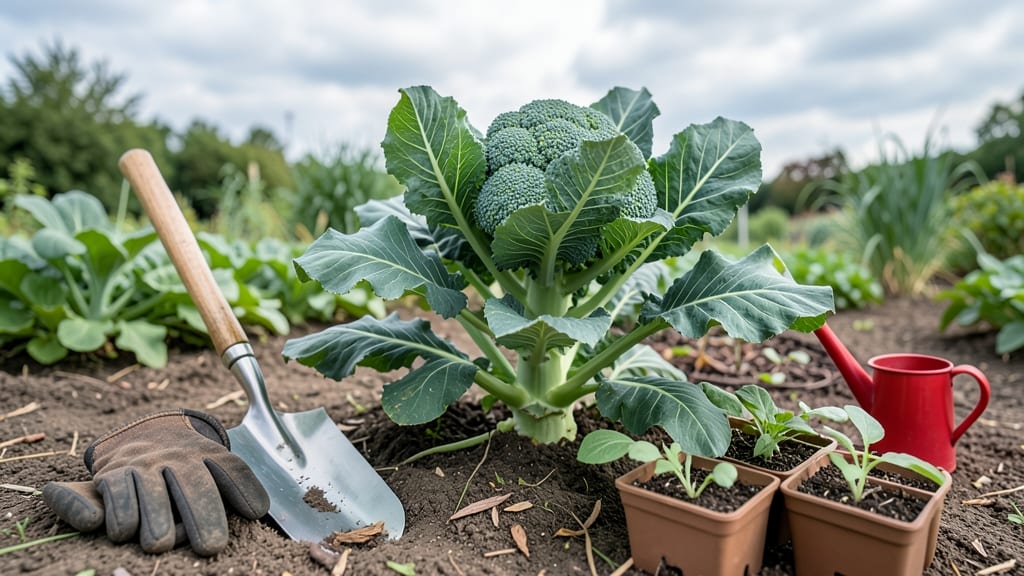
Timing is everything when it comes to growing 🥦 broccoli in Zone 5—plant too early, and you risk bolting (those bitter, flowery heads); too late, and your harvest shrinks before frost.
The exact weeks before last frost make all the difference, and I’ve cracked the code for both spring and fall plantings.
Zone 5’s short cool season demands precision, but don’t stress—this isn’t rocket science. Whether you’re starting seeds indoors or transplanting seedlings, knowing when to put broccoli in the ground (and how to adjust for your specific sub-zone) is the secret to bountiful harvests.
We’ll cover the ideal windows, soil temps, and even how to stretch your growing season with simple tricks.
Let’s cut to the chase: 4-6 weeks before last frost for spring plantings, and 8-10 weeks before first frost for fall. But there’s more to it than just dates—soil warmth, frost dates, and variety choices play a role too.
I’ll walk you through the step-by-step plan so you can avoid common pitfalls and enjoy fresh, crisp broccoli straight from your garden.
Ready to grow broccoli that’s sweet, tender, and ready at the perfect time? Grab your calendar, and let’s get planting!
Best weeks to plant broccoli in Zone 5 for fall and spring harvests
Broccoli loves cool weather, and in Zone 5, timing is everything to avoid bolting (flowering too early) or struggling with summer heat.
The last frost date in most of Zone 5 is around May 10, but your exact window depends on whether you're planting for a spring harvest or fall harvest.
For spring, aim to plant 4-6 weeks before your last frost, while fall crops need 8-10 weeks before the first frost (around October 10).
Soil temperature is just as critical as frost dates. Broccoli seeds won’t germinate well in cold soil—wait until the ground reaches at least 40°F (4°C). In Zone 5, this usually means mid-March to early April for spring planting.
For fall, shoot for late July to early August so the plants mature before winter sets in. If you live in a northern part of Zone 5 (like Minnesota), adjust your timeline 1-2 weeks earlier than southern areas (like Missouri).
Here’s the exact breakdown of planting windows tailored to Zone 5’s climate quirks:
| Season | Planting Window | Key Considerations | Soil Temp |
|---|---|---|---|
| Spring | 4-6 weeks before last frost (March 15-April 15) | Use cold-hardy varieties like 'Waltham 29' or 'Calabrese'; protect seedlings with row covers if frost lingers. | ≥ 40°F (4°C) |
| Fall | 8-10 weeks before first frost (July 15-August 15) | Choose fast-maturing varieties like 'De Cicco' or 'Packman'; mulch to retain heat in early stages. | ≥ 50°F (10°C) |
| Late Summer (Succession) | Every 2-3 weeks from July 1-August 1 | Extend harvest with shade cloth if temps exceed 85°F (29°C). | ≥ 45°F (7°C) |
If you’re starting seeds indoors, begin them 6-8 weeks before your target outdoor planting date. Use grow lights or a sunny windowsill, and keep soil moist but not soggy. Transplant seedlings outdoors after they’ve developed 2-3 true leaves and harden them off for 5-7 days to prevent transplant shock.
Zone 5’s variable weather means you might need to adjust—always check a local frost calendar for your specific area.
Microclimates play a huge role in Zone 5. A south-facing slope warms up faster than a north-facing garden, so you might plant 1-2 weeks earlier in sunny spots. Conversely, low-lying areas or shady spots may need a delayed planting schedule.
Pay attention to wind patterns too—broccoli plants can get blown over in gusty conditions, so choose a sheltered spot or use stakes for support.
For container gardening in Zone 5, use large pots (at least 12 inches deep) and plant 1-2 weeks later than in-ground plants since containers warm up faster.
Place pots in partial shade during heatwaves to prevent bolting. Varieties like 'Little Sponsible' are great for containers and tolerate Zone 5’s cooler nights better than larger varieties.
Pro tip: Mark your planting dates on a garden calendar and track soil temps with a soil thermometer. In Zone 5, a 5-day stretch of 90°F+ (32°C+) weather can trigger bolting, so be ready to provide afternoon shade if a heatwave hits.
With the right timing, you can enjoy two full harvests per year—one in late spring and another in fall!
Remember, broccoli is a cool-season crop, so don’t wait too long into summer. Once temperatures consistently stay above 80°F (27°C), it’s time to switch to heat-tolerant crops like okra or sweet potatoes.
But with these exact planting windows, you’ll be well on your way to a bountiful, flavorful harvest in Zone 5’s unpredictable climate. 🥦
Best weeks to plant broccoli in Zone 5 for fall and spring harvests
Zone 5’s cool-season gardening thrives on timing, and broccoli is no exception. The last frost date (typically around May 10 in most of Zone 5) is your anchor—plant 4-6 weeks before this date for spring harvests.
For fall plantings, aim for 8-10 weeks before the first frost (usually October 10), giving broccoli time to mature before winter sets in.
Soil temperature is just as critical as frost dates. Broccoli seeds need soil that’s at least 40°F (4°C) to sprout, but ideal germination happens between 50-70°F (10-21°C).
In Zone 5, this means waiting until late March to early April for spring plantings and getting seeds in the ground by mid-July for fall harvests.
Here’s the visual breakdown of your planting windows and key details to maximize success:
| Season | Planting Window | Weeks Before Frost | Soil Temp | Harvest Time |
|---|---|---|---|---|
| Spring | Late March - Early April | 4-6 weeks | 50-70°F (10-21°C) | May - June |
| Fall | Mid-July - Early August | 8-10 weeks | 50-65°F (10-18°C) | September - October |
Zone 5’s microclimates can shift planting dates by 1-2 weeks. If you’re in a warmer microclimate (like near a lake or urban heat island), push spring plantings to early April to avoid premature bolting.
Conversely, in cooler areas (e.g., higher elevations), start seeds indoors 4-6 weeks before your target outdoor date to give them a head start.
For direct sowing, scatter seeds ½ inch deep and 1 inch apart, thinning seedlings to 12-18 inches apart once they’re 2-3 inches tall. If transplanting, harden off seedlings for 7-10 days before moving them outdoors to prevent shock.
Use row covers or shade cloth if planting in late spring to protect young plants from heat stress.
Pro tip: Succession planting every 2 weeks in spring and fall ensures a continuous harvest. Start with fast-maturing varieties like ‘De Cicco’ (58 days) for early plantings, then switch to longer-season types like ‘Waltham 29’ (80 days) for fall.