
Plants
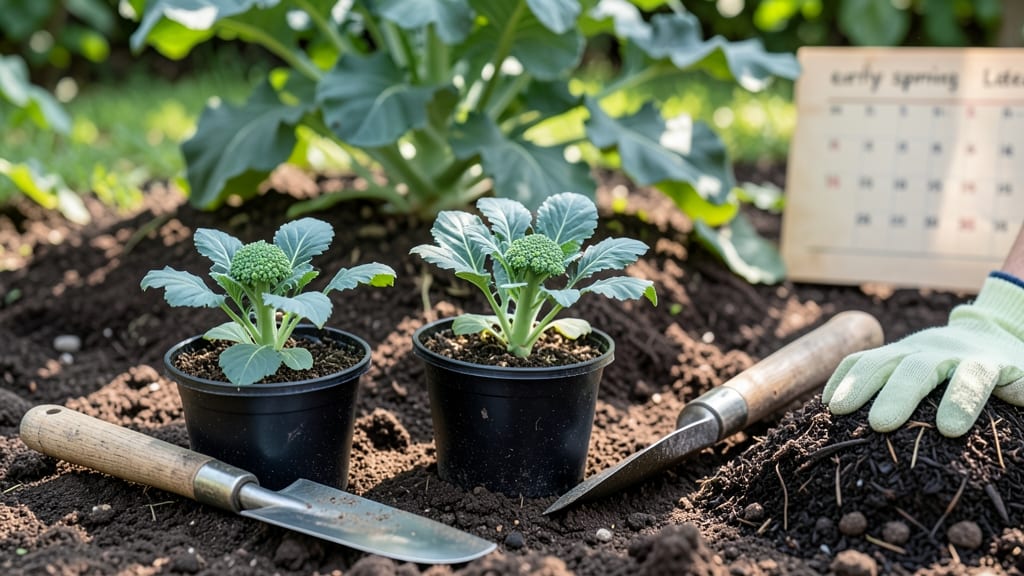
Timing your 🥦 broccoli planting in Zone 6 isn’t just about throwing seeds in the dirt—it’s the difference between a lush, flavorful harvest and bitter disappointment. Get the weeks wrong, and you’ll either freeze your plants or watch them bolt into oblivion before they mature.
I’ve learned the hard way that broccoli in Zone 6 demands precision. Plant too early, and frost will nip your seedlings before they sprout. Too late, and summer heat sends them running to flower instead of forming those tight, green crowns we crave.
Here’s the secret: spring and fall are your golden windows, but the exact timing depends on your last frost date. I’ll break down the 4-6 week rule for spring and the 8-10 week strategy for fall—plus how to adjust for your specific corner of Zone 6.
Ready to grow broccoli that’s sweet, abundant, and ready to harvest? Let’s dive into the exact weeks, soil prep, and care tips that’ll turn your garden into a 🥦 powerhouse.
Best planting windows for broccoli in Zone 6: early spring and fall strategies
Broccoli loves cool weather, so timing your Zone 6 plantings between early spring and late summer is key.
The ideal window is 4-6 weeks before your last frost in spring (typically mid-March to early April) and 8-10 weeks before first frost in fall (usually late August to early September). These timelines balance soil warmth and daylight to prevent bolting or stunted growth.
Zone 6’s diverse micro-climates mean your exact dates may vary. For example, Pittsburgh’s last frost often arrives 2 weeks earlier than St. Louis’s. Always check your local frost averages—the USDA Plant Hardiness Zone Map is your best friend here.
A 30-day average of 50°F soil temps signals it’s safe to plant.
Spring plantings give you a summer harvest (June–July), while fall crops mature by October–November. Both seasons avoid heat stress, which causes broccoli to bolt prematurely. For continuous harvests, stagger plantings every 2 weeks in both seasons. This ensures fresh heads all growing season.
🌱
| Planting Window | Zone 6 Timing | Key Considerations | Harvest Months |
|---|---|---|---|
| Early Spring | 4–6 weeks before last frost (Mid-March–Early April) | Soil temps >50°F; avoid frost-sensitive varieties | June–July |
| Late Summer/Fall | 8–10 weeks before first frost (Late August–Early September) | Daylight decreases; prioritize cold-hardy varieties | October–November |
| Staggered Plantings | Every 2 weeks in both seasons | Ensures continuous harvest; extends season | June–November |
For spring plantings, focus on fast-maturing varieties like ‘De Cicco’ (58 days) or ‘Calabrese’ (60 days). These handle cooler soils better than slower types. In fall, opt for cold-hardy varieties like ‘Waltham 29’ (70 days), which tolerate light frosts.
Always harden off seedlings for 7–10 days before transplanting to avoid shock.
Zone 6’s variable spring weather can delay planting. If your soil stays below 50°F past your target date, use black plastic mulch to warm it faster. For fall crops, extend the season with row covers or a mini greenhouse to protect tender heads from early frosts.
Just remember: broccoli won’t tolerate soil temps above 80°F—that’s when it bolts.
Pro tip: Test your soil pH (aim for 6.0–7.0compost or lime to reach these levels. Amend your beds with 2–3 inches of aged compost and 1 cup of bone meal per 10 sq ft for phosphorus-rich growth. This sets your broccoli up for bold, flavorful heads.
🌿
If you’re seed-starting indoors, begin 6–8 weeks before transplanting (typically late January–February). Use grow lights to provide 12–14 hours of light daily—broccoli seedlings stretch without enough light. Transplant outdoors when seedlings have 4–6 true leaves and soil temps are consistently 50°F+.
Finally, rotate your broccoli crops every year. Planting in the same spot annually risks disease buildup (like clubroot) and nutrient depletion. Pair broccoli with nitrogen-fixing plants like peas or beans the year before to replenish soil. This simple step keeps your Zone 6 garden productive for years.
How to calculate your exact planting dates using Zone 6’s last frost averages
Figuring out the perfect planting window for broccoli in Zone 6 starts with your last frost date. Since Zone 6 spans diverse regions—from Pittsburgh’s cooler springs to St. Louis’s slower soil warming—your exact timing matters. I’ll show you how to pinpoint those dates using free tools and simple math.
First, find your average last frost date using the USDA Plant Hardiness Zone Map or your local cooperative extension service. For most of Zone 6, this falls between April 15 and May 1. Write that date down—it’s your anchor for all calculations.
For spring planting, subtract 4-6 weeks from your last frost date. This gives you the ideal window to start seeds indoors or sow directly. For example, if your last frost is April 30, plant seeds indoors by March 15-21 or sow outdoors by March 25-April 1.
Fall planting follows the same logic but uses your first frost date (usually October 15-November 1 in Zone 6). Subtract 8-10 weeks to determine when to sow seeds. For a first frost on October 20, aim for August 10-16.
Pro tip: If you’re seed-starting indoors, begin 6-8 weeks before transplanting outdoors. Use grow lights to prevent leggy seedlings—broccoli needs 12-16 hours of light daily to stay strong. Transplant seedlings when they’re 3-4 inches tall and soil temps hit 40°F.
Don’t forget to account for micro-climates! South-facing beds warm faster, while shaded areas may need 1-2 weeks earlier planting. Use a soil thermometer to confirm temps are above 40°F before direct sowing—cold soil delays germination.
With these steps, you’ll avoid the #1 mistake I see: planting too close to frost or ignoring soil warmth. Next up, I’ll cover the common pitfalls that turn broccoli dreams into bitter harvests—and how to sidestep them entirely.