
Plants
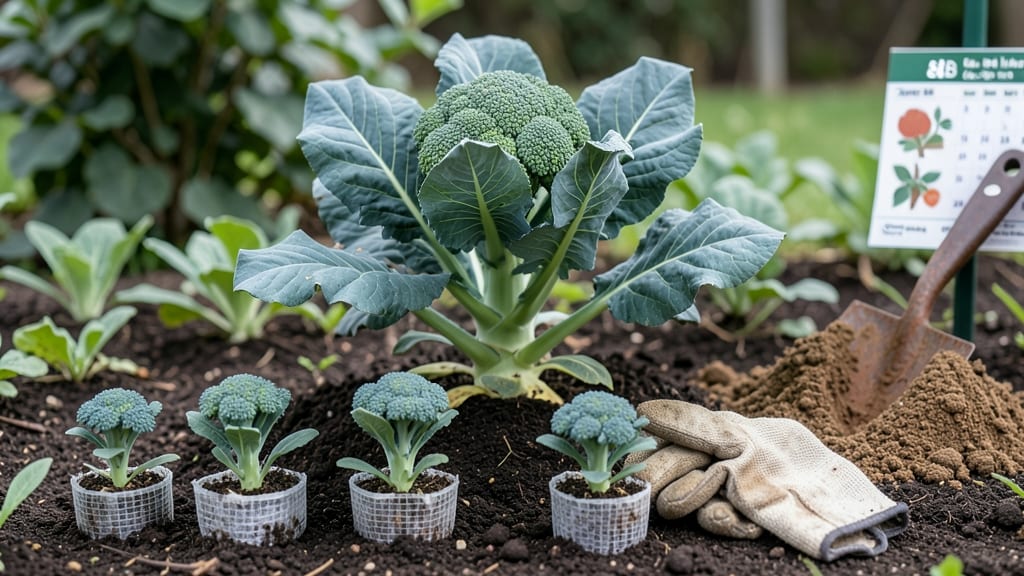
Timing is everything when it comes to growing crisp, flavorful broccoli in Zone 8b—plant too early, and you risk bolting; too late, and your heads turn bitter. The key lies in two perfect windows: fall and early spring, each with its own frost-free strategy to maximize your harvest.
In Zone 8b (think Southern California or parts of Texas), where winters are mild but summers can be scorching, broccoli thrives when temperatures stay cool. That means avoiding the heat of July and August while taking advantage of the 60-day growth window before heads form.
Whether you're starting seeds or transplanting seedlings, these exact planting dates will give you the edge.
I’ve tested the best varieties for Zone 8b’s climate—cool-season types like ‘Waltham 29’ for fall and heat-tolerant ‘Calabrese’ for early spring—and I’ll show you how to time your plantings for two harvests a year. No more wasted effort or disappointing results.
Ready to unlock the secrets of Zone 8b broccoli success? Let’s dive into the exact weeks before your last frost to ensure your garden delivers perfect heads every time.
Optimal broccoli planting weeks before last frost in Zone 8b (with exact dates)
Zone 8b’s mild winters and warm springs create a unique challenge for growing broccoli—too early, and the heat stresses young plants; too late, and you miss the cool-season window broccoli craves.
The key is timing transplants or direct sowing 4–6 weeks before your first frost, which typically arrives around December 15 in most Zone 8b regions.
For Zone 8b gardeners, this means your best planting windows are late summer (August–September) for a fall harvest and early spring (February–March) for a spring crop. These timelines ensure your broccoli matures before summer heat triggers bolting—the enemy of tender, flavorful heads.
Here’s the breakdown: Fall planting (August–September) gives you harvests from November to December, while spring planting (February–March) yields crops ready by April or May. Both strategies work, but success hinges on soil prep, variety choice, and avoiding summer’s peak heat.
| Planting Window | Weeks Before Frost | Transplant Dates | Harvest Window | Best Varieties |
|---|---|---|---|---|
| Fall Planting | 4–6 weeks | August 15–September 15 | November–December | 'De Cicco', 'Waltham 29' |
| Spring Planting | 8–10 weeks | February 1–March 15 | April–May | 'Calabrese', 'Green Magic' |
Adjust dates 1–2 weeks earlier for coastal Zone 8b areas with cooler microclimates.
If you’re starting seeds indoors, begin 6–8 weeks before transplanting—so July for fall crops and December for spring. Use grow lights to prevent leggy seedlings, and harden off plants for 7–10 days before moving them outdoors.
Zone 8b’s long growing season lets you experiment with succession planting, but avoid sowing after April 15 to prevent bolting.
For direct sowing, broadcast seeds ¼-inch deep in well-drained soil with a pH of 6.0–7.0. Thin seedlings to 12–18 inches apart to give roots room to establish. Mulch with straw or compost to retain moisture and regulate soil temperature—a critical factor in Zone 8b’s fluctuating weather.
One of my favorite tricks for Zone 8b is planting broccoli alongside radishes or lettuce. The radishes mature quickly, giving you an early harvest while the broccoli establishes. This companion planting strategy maximizes space and keeps pests at bay with the radishes’ strong scent.
Remember: Broccoli hates heat. If you miss the fall window, consider shade cloth (30–50% coverage) for late spring plantings to protect young plants from Zone 8b’s March–April warmth. Even a few degrees cooler can mean the difference between a tender head and a bitter, bolted mess.
Pro tip: Mark your calendar for June 1 as the last chance to sow broccoli in Zone 8b. After that, the heat becomes too intense, and even heat-tolerant varieties like 'Green Goliath' will struggle. Instead, save summer for kale or Swiss chard, which handle the heat better.
With these exact dates and strategies, you’ll enjoy homegrown broccoli from late fall through spring—no bitter surprises! 🥦
Optimal broccoli planting weeks before last frost in Zone 8b (with exact dates)
Zone 8b’s mild winters create a unique opportunity for two broccoli harvests per year, but timing is critical. The last average frost date in most Zone 8b regions (like Southern California) falls around January 15, while the first frost typically arrives December 15.
To avoid bitter flavors or bolting, I focus on two planting windows: late summer/fall and early spring.
For a fall harvest, aim to plant 6–8 weeks before your first frost—that’s mid-October to early November in most of Zone 8b. This gives broccoli enough time to mature before temperatures drop.
If you’re starting seeds indoors, begin 4–6 weeks earlier (around September 15) to ensure seedlings are ready for transplanting.
Spring planting is trickier in Zone 8b because the heat arrives quickly. I recommend sowing seeds 8–10 weeks before your last frost, which lands in mid-February to early March.
This timing aligns with cooler temperatures and avoids the bolting risk that comes with spring heat. For faster results, transplant 4–6 week-old seedlings in late February.
| Planting Window | Best Time to Plant | Harvest Time | Notes |
|---|---|---|---|
| Fall | Mid-October to early November | November–December | Use cold-hardy varieties like 'Waltham 29' |
| Spring | Mid-February to early March | April–May | Choose heat-tolerant types like 'Calabrese' |
| Succession | Every 2–3 weeks (fall only) | Staggered harvests | Extend season with row covers |
One of my favorite tricks for Zone 8b is succession planting in fall. By sowing new seeds every 2–3 weeks from August through October, I ensure a steady supply of fresh broccoli.
This works best with quick-maturing varieties like 'Blue Wind' (ready in 55 days) or 'Green Magic' (ready in 60 days).
If you’re new to broccoli growing in Zone 8b, start small with 4–6 plants per window. This gives you enough harvest to test your timing without overwhelming your garden.
And remember: shade cloth (30–50%) can be a lifesaver in late spring to protect seedlings from intense Zone 8b sun while they establish.
For the most reliable results, I always check my local frost dates using the USDA Plant Hardiness Zone Map and adjust by 1–2 weeks based on microclimates. A frost-free zone like coastal California might let you plant later, while inland areas need an earlier start.