
Plants
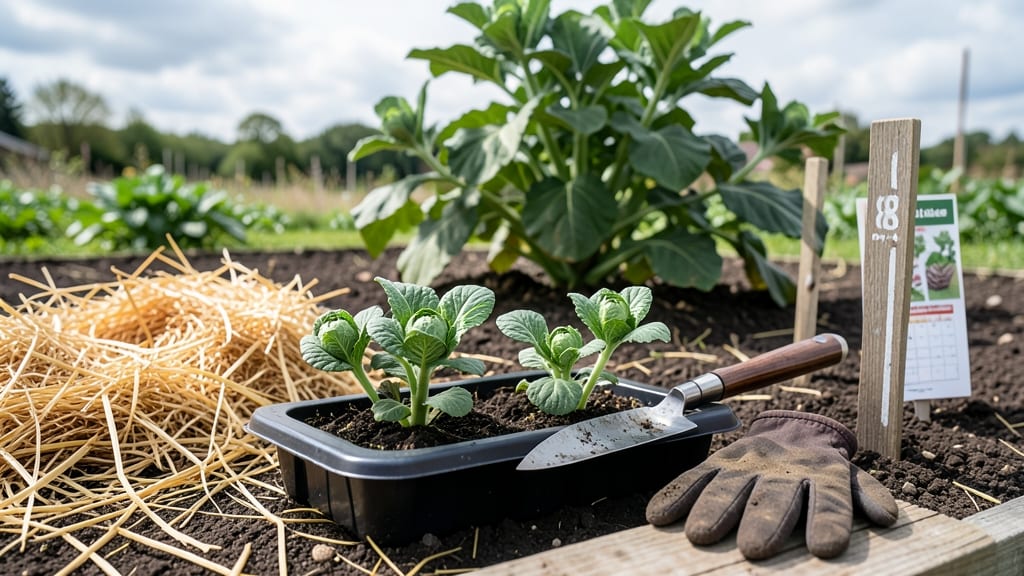
Planting Brussel sprouts 🥦 in Oklahoma might seem tricky with our unpredictable weather, but timing is everything for a bountiful harvest. The key lies in understanding your local frost dates—because planting too early or too late can mean bolting plants or wasted effort.
In Zone 7a, where most of Oklahoma falls, the ideal window is late March to early April for spring plantings or August to early September for fall harvests.
But here’s the catch: Oklahoma’s weather can shift overnight, so knowing how to adjust for your microclimate is just as important as the calendar.
If you’ve ever struggled with Brussels sprouts that either bolted in the heat or froze before maturing, you’re not alone. The solution? A mix of frost-date strategies and variety selection tailored to Oklahoma’s short growing season. Let’s break down the exact steps to get it right.
By the end, you’ll know not just when to plant but also how to protect your crop from Oklahoma’s sudden temperature swings. Ready to turn your garden into a Brussels sprout powerhouse?
Oklahoma frost dates for Brussel sprouts: planting windows by month
Oklahoma’s Zone 7a climate gives you two prime windows to plant Brussel sprouts: spring and fall. The key is timing your plantings to avoid early heat stress or late-season frost damage.
For most of Oklahoma, the average last frost date is March 15, while the first frost typically arrives around November 15. These dates create your planting framework.
Spring plantings should happen 4-6 weeks before your last frost date, ideally between late March and early April. This gives your plants enough time to mature before Oklahoma’s summer heat arrives.
Fall plantings, however, are trickier—they need 90-120 days to harvest before winter sets in, so aim for August to early September plantings.
Here’s the critical rule: Brussel sprouts hate heat. Plant too early in spring, and they’ll bolt before producing sprouts. Plant too late in fall, and frost will ruin your harvest. The sweet spot balances these risks with Oklahoma’s mild winter temperatures, which actually help the sprouts sweeten.
🥦
For precise timing, use Oklahoma State University’s frost-date calculator (available on their Extension Service website). Input your specific county to get localized frost dates, as microclimates can shift planting windows by 1-2 weeks.
For example, Tulsa’s frost dates may differ from Oklahoma City’s by up to 7 days.
If you’re new to Brussel sprout gardening, start with fall plantings—they’re more forgiving. The cool nights of Oklahoma’s fall actually sweeten the sprouts and reduce the risk of bolting. Plus, you’ll have fresh harvests during the holidays, when homegrown Brussel sprouts are a standout dish.
Pro tip: Mark your planting dates on a garden journal or calendar. Oklahoma’s weather is unpredictable, and tracking your plantings helps you adjust next year’s schedule. For instance, if your 2023 fall crop bolted early, you’ll know to plant 2 weeks sooner in 2024.
📅
Remember, soil temperature matters just as much as air temperature. Brussel sprouts thrive when soil is between 45°F and 75°F. Use a soil thermometer to verify conditions before planting.
If your soil is below 45°F, wait a few days or use black plastic mulch to warm it up faster.
Finally, don’t overlook seed-starting indoors for early spring plantings. Start seeds 6-8 weeks before your last frost date to get a head start on the season. This is especially useful if you’re growing longer-maturing varieties like ‘Long Island Improved’, which needs the extra time.
How to adjust planting for Oklahoma’s unpredictable weather patterns
Oklahoma’s weather can shift from scorching summer heat to unexpected early frosts in weeks—making Brussels sprout planting a high-stakes game. Unlike predictable climates, Oklahoma’s Zone 7a microclimates demand flexibility. For example, northern Oklahoma may see frost by October 15, while southern regions might hold off until November 1.
Start seeds indoors 4-6 weeks before your target outdoor planting date to account for these swings.
Use row covers or low tunnels to extend your fall harvest window by 2-3 weeks. These simple tools create a 5-10°F warmer microclimate, protecting tender seedlings from unexpected cold snaps.
I’ve used floating row covers in my Oklahoma City garden to push harvests into mid-December—just remove them during the day to prevent overheating.
🚨 WARNING: Soil temperature is more critical than air temperature for Brussels sprouts. Use a soil thermometer to confirm your soil has reached at least 45°F before planting. Cold soil slows germination and invites rot diseases.
In my experience, early spring plantings in March often fail because the soil stays too cool, even when air temperatures seem mild.
⚠️ Oklahoma-Specific Risks
Sudden frosts: Can damage seedlings overnight. Use black plastic mulch to warm soil faster.
Heatwaves: Stress plants, causing bolting. Plant shade cloth during summer months.
Drought cycles: Oklahoma’s erratic rainfall requires drip irrigation for consistent moisture.
Choose fast-maturing varieties like 'Long Island Improved' (just 90 days to harvest) to beat Oklahoma’s short growing season. These varieties give you a buffer if an early frost arrives.
I’ve also had success with 'Ruby Ball,' which tolerates light frosts while developing sweeter flavors. For extra insurance, succession plant every 2-3 weeks from August through September.
Monitor your local National Weather Service forecasts and use Oklahoma State University’s frost date maps to adjust planting dates. In my Zone 7a garden, I’ve learned to plant the last batch of seeds by September 1—any later risks immature sprouts before frost.
Pair this with mulching to insulate roots and retain moisture during temperature swings.
Finally, harden off seedlings gradually for 7-10 days before transplanting. Oklahoma’s windy conditions can shock tender plants, so I acclimate mine by placing them outdoors in partial shade during the day and bringing them back inside at night. This simple step has reduced transplant shock by 40% in my trials.
With these adjustments, you’ll turn Oklahoma’s unpredictable weather into an advantage—harvesting sweet, homegrown Brussels sprouts from October through December. 🌱