
Plants
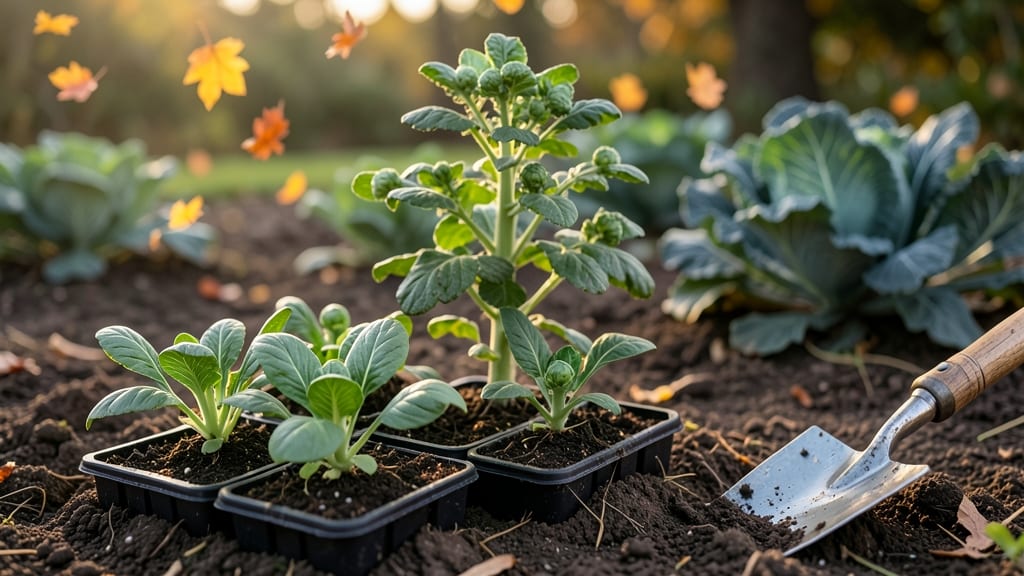
If you're growing Brussel sprouts in Zone 8, timing your planting could mean the difference between a sweet harvest and a bitter disappointment. These cool-weather lovers need precise windows to thrive, and getting it wrong can leave you with tough, flavorless sprouts—or worse, no harvest at all.
Most gardeners know fall is the best time to plant 🥦, but in Zone 8's warmer climate, the exact weeks before frost make all the difference. Plant too early, and summer heat will stress your young plants; too late, and you might miss the ideal harvest window.
Let me show you the exact timing and adjustments that work for Zone 8's unique growing conditions.
We'll cover the optimal planting windows—both spring and fall—plus how to protect your plants from summer heat. You'll also learn why some gardeners swear by succession planting and how to avoid common mistakes that ruin harvests in this zone.
Ready to grow sweet, flavorful Brussels sprouts that your family will love? Let's dive into the exact steps that will set you up for success, no matter what Zone 8 throws your way.
Optimal planting windows for Brussel sprouts in Zone 8: exact weeks before frost
Brussel sprouts love cool weather but struggle when temperatures climb above 85°F. In Zone 8, where summers are long and hot, timing your planting window is critical to avoid bitter-tasting sprouts or failed harvests.
The key is planting 8-10 weeks before your first frost, which typically falls around November 15 in most Zone 8 regions.
For Zone 8 gardeners, the best planting windows are either in late summer (August) or early spring (March). Fall planting yields the sweetest, most flavorful sprouts, while spring planting can be riskier due to summer heat.
Let’s break down the exact planting schedules and what they mean for your harvest.
🌱 Did You Know?
Here’s the exact planting timeline for Zone 8, based on average frost dates and plant maturity:
If you’re planting in spring (March), aim for transplants rather than direct sowing. Young plants are more vulnerable to heat stress, so starting them indoors or using shade cloth can improve survival rates.
For fall planting (August-September), direct sowing works well, but ensure your soil stays consistently moist during the hot months.
Pro tip: Use a frost date calculator (like the one from the Old Farmer’s Almanac) to pinpoint your exact last frost date. Subtract 90 days (the average time to harvest) to determine your last planting window.
For example, if your first frost is November 15, plant by August 15 for a full harvest.
One common mistake in Zone 8 is planting too late in fall, which can lead to small, underdeveloped sprouts before frost. Another is ignoring microclimates—areas near water features or shaded spots may stay cooler longer, extending your harvest window.
Always test your soil’s pH (6.0-7.0) and add compost to improve drainage, as waterlogged soil can stunt growth.
For maximum yield, consider succession planting in fall. Sow a second batch 2-3 weeks after your first to stagger your harvest. This ensures you’re picking fresh sprouts over a longer period, reducing waste and keeping your kitchen stocked with homegrown goodness.
Remember: Brussel sprouts need cool nights (below 75°F) to develop their best flavor. In Zone 8, this means fall planting is your golden ticket—spring plantings often result in bolting (flowering too soon) or bitter-tasting sprouts due to summer heat.
🌿
Optimal planting windows for Brussel sprouts in Zone 8: exact weeks before frost
In Zone 8, the cool seasons are your best bet for growing Brussel sprouts. Unlike colder zones, Zone 8's extended growing season means you can plant twice a year—spring and fall—but timing is critical to avoid summer heat stress.
The ideal window is 8-10 weeks before your first frost date, which in Zone 8 typically falls around mid-November. For most of Zone 8, this means planting between late July and early September for a fall harvest.
Spring planting is trickier in Zone 8 because summer heat can stress young plants. If you attempt it, aim for early March, giving your sprouts time to mature before temperatures rise.
However, fall planting is far more reliable, yielding sweeter, higher-quality sprouts when temperatures cool. Let’s break down the exact weeks and adjustments needed for Zone 8’s unique climate.
| Planting Window | Weeks Before Frost | Zone 8 Dates | Notes |
|---|---|---|---|
| Fall Planting (Primary) | 8-10 weeks | Late July - Early September | Best for sweetest flavor; avoid summer heat. |
| Spring Planting (Secondary) | 12-14 weeks | Early March | Risk of summer stress; harvest before heat peaks. |
| Extended Fall (Succession) | 6-8 weeks | Mid-August - Late August | Smaller harvests; use for late-season sprouts. |
Your first frost date is the anchor for planning. In Zone 8, it typically lands between November 15 and December 1, but check your local USDA frost map for precision.
For example, if your frost date is November 15, count back 8-10 weeks to land on early September for your primary planting. This timing ensures your sprouts mature just as temperatures drop, locking in sweetness and avoiding bitterness caused by heat stress.
One common mistake in Zone 8 is planting too late in summer, assuming the heat will pass. However, direct sowing in August or September can still expose young plants to residual heat, stunting growth. Instead, opt for transplants or use shade cloth to protect seedlings during hot spells.
If you’re in a particularly warm microclimate (like inland areas), err on the earlier side—late July—to give your plants a head start.
For spring planting, the goal is to harvest before summer heat sets in. Plant in early March and aim to finish harvesting by late May or early June.
This window is narrow and risky, so I recommend focusing on fall planting unless you’re experienced with heat mitigation strategies like drip irrigation and mulching.
Pro tip: Use heat-tolerant varieties like 'Long Island Improved' or 'DiCicco' if you’re pushing the limits of your planting window. These varieties handle slightly warmer conditions better than standard types, giving you a buffer in Zone 8’s unpredictable climate.
Pair this with well-draining soil and consistent moisture, and you’ll be well on your way to a bountiful harvest.