
Plants
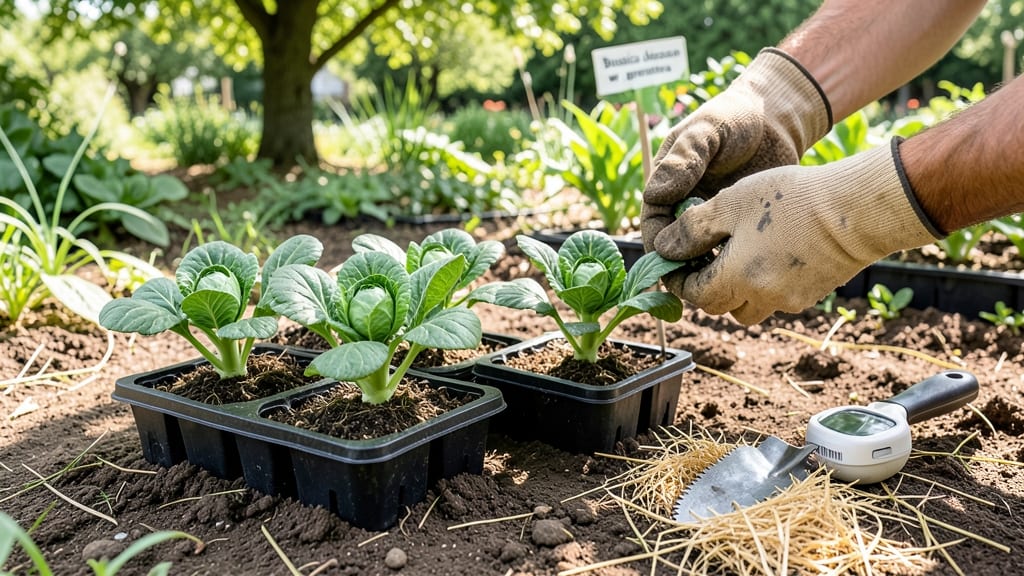
Timing is everything when it comes to growing Brussel sprouts in Kansas—plant them too early, and you risk bitter harvests or bolting, while waiting too long means stunted growth.
The perfect window for Zone 6-7 gardeners is a narrow but critical period that aligns with frost dates, soil warmth, and your local microclimate.
In Kansas, where spring can be unpredictable and summers scorching, spring planting should begin 2-3 weeks before your last frost date (around mid-March to early April), while fall planting kicks off in late July to early August for a late-October harvest.
These exact timelines prevent the heat from sending your plants into an early flowering frenzy or the first frost from ruining your hard work.
But here’s the kicker: not all Kansas regions are created equal. Northern areas like Zone 6a might need to push planting dates back by a week or two, while southern parts of the state can afford a slightly earlier start.
I’ll break down the exact week-by-week schedule so you can avoid common mistakes—like planting too close to seedlings or ignoring soil pH—and set yourself up for a bountiful, flavorful harvest.
Ready to master the art of Brussel sprout timing? Let’s dive into the calendar, soil prep, and transplant tricks that will turn your Kansas garden into a sprout-producing powerhouse—no guesswork required.
Kansas Brussel sprout planting calendar: exact weeks for spring and fall success
Kansas gardeners have a 6-week window each for spring and fall planting to avoid summer heat stress or winter freeze damage. Timing is critical—plant too early and your sprouts bolt; too late and they won’t mature before frost.
Let’s break down the exact weeks for Zone 6-7 success, including frost dates and transplant timing.
The last average frost date in Kansas is April 15, while the first frost typically arrives October 15. For spring planting, aim to transplant seedlings 2-3 weeks before your last frost date, while fall planting should begin 90 days before the first frost.
This ensures a 90-110 day growing season, perfect for Brussels sprouts.
📅 Kansas Brussel Sprout Planting Timeline
| Stage | Spring Planting (Zone 6-7) | Fall Planting (Zone 6-7) |
|---|---|---|
| Start Seeds Indoors | Mid-March (8-10 weeks before last frost) | Mid-July (8-10 weeks before first frost) |
| Transplant Seedlings | Late March - Early April (2-3 weeks before last frost) | Late July - Early August (90 days before first frost) |
| Direct Sow Seeds | Early April (after last frost) | Late August (90 days before first frost) |
| Harvest Window | October - November (90-110 days after transplant) | November - December (90-110 days after transplant) |
| Soil Temperature | 45-55°F (7-13°C) | 50-60°F (10-16°C) |
💡 Pro Tip: Use a soil thermometer to confirm temperatures before planting.
For spring planting, start seeds indoors in mid-March (8-10 weeks before your last frost). Transplant seedlings outdoors late March to early April, once soil temperatures reach 45°F.
If sowing directly, wait until early April when soil is workable and frost risk has passed. This timing ensures your plants mature before Kansas’ summer heat triggers bolting.
Fall planting is trickier but rewarding. Begin seeds indoors in mid-July for transplanting in late July to early August. Direct sowing can happen in late August, but choose early-maturing varieties like ‘Long Island Improved’ or ‘Ruby Ball’ to harvest before frost.
Aim for a 90-day harvest window—any longer risks winter damage.
Kansas’ variable climate demands flexibility. In northern Kansas (Zone 5b), shift planting 1-2 weeks later to avoid late frosts. In southern Kansas (Zone 7a), you can extend fall planting into early September but monitor weather forecasts for early freezes.
Always check local frost dates via the National Weather Service or Kansas State University Extension for precision.
Spacing is another critical factor. Brussels sprouts need 18-24 inches apart in rows 30 inches apart to prevent overcrowding. Use companion plants like dill, onions, or lettuce to deter pests and improve yield.
Mulch with straw or grass clippings to retain moisture and regulate soil temperature—especially important in Kansas’ dry summers.
Soil prep can’t be overlooked. Brussels sprouts thrive in well-draining, slightly acidic soil (pH 6.0-7.0). Before planting, amend your soil with compost or aged manure and conduct a soil test to adjust pH if needed.
A balanced fertilizer (10-10-10) applied at transplanting and again in early summer promotes healthy growth. Avoid over-fertilizing with nitrogen, which can lead to leafy growth at the expense of sprouts.
Harvesting begins in late October for spring plantings and stretches into December for fall crops. Pick sprouts from the bottom up, twisting gently to avoid damaging the stem.
Leave 2-3 inches of stem between harvests to encourage more sprouts. With proper timing, a single plant can yield 1-2 pounds of tender, flavorful sprouts—worth every bit of planning!
🌱 Remember: Timing is everything with Brussels sprouts in Kansas. Follow this schedule, and you’ll enjoy a bountiful harvest—no bitter surprises!
How to adjust planting for Kansas’ unpredictable weather patterns
Kansas’ weather can swing from freezing spring nights to scorching summer heat in weeks, making Brussel sprout planting a high-stakes game of timing. The key to success? Flexibility—adjusting your schedule based on soil temperature, frost forecasts, and even your yard’s microclimate.
For example, if your garden sits in a low-lying area, it’ll stay colder longer than higher elevations, delaying your planting window by 1-2 weeks.
Start by monitoring soil temperatures—Brussel sprouts thrive when soil reaches 45°F (7°C). Use a soil thermometer to check depths of 2-3 inches. If temperatures dip below 40°F (4°C) at night, protect seedlings with row covers or a cold frame to prevent stunted growth.
In northern Kansas (Zone 6a), this might push your spring planting back to late April instead of mid-March.
For fall planting, aim to sow seeds 90 days before your first frost (typically late July to early August). But if your area experiences early freezes (like Zone 6a), shift to mid-August for a safer harvest.
Use heat-tolerant varieties like ‘Long Island Improved’ or ‘Ruby Ball’ to handle Kansas’ 90°F+ summers without bolting prematurely.
⚠️ Watch for Late-Spring Frosts
Kansas’ "false spring" can hit hard—temperatures may spike to 70°F (21°C) one day and drop to 30°F (-1°C) the next. If planting in early April, keep emergency row covers on hand. A single night below 32°F (0°C) can kill young seedlings, so avoid rushing the schedule.
Pro Tip: Use black plastic mulch to warm soil faster in spring, or straw mulch in fall to insulate roots during temperature swings.
Another trick? Stagger your planting—sow half your seeds 2 weeks apart to extend your harvest window. This way, if one batch struggles with heat stress or drought, the other will compensate.
Pair this with drip irrigation to maintain consistent moisture, which is critical in Kansas’ dry spells.
Finally, companion planting can buffer your sprouts from Kansas’ wind and pests. Plant onions or garlic nearby to deter cabbage moths, or add dill or borage to attract pollinators and improve flavor. These partners also shade the soil, helping retain moisture during summer droughts.
By combining soil temperature checks, protective covers, and staggered sowing, you’ll turn Kansas’ unpredictable weather into an advantage—not a roadblock. Your Brussel sprouts will thank you with sweet, tender harvests from fall through winter. 🌱💧