
Plants
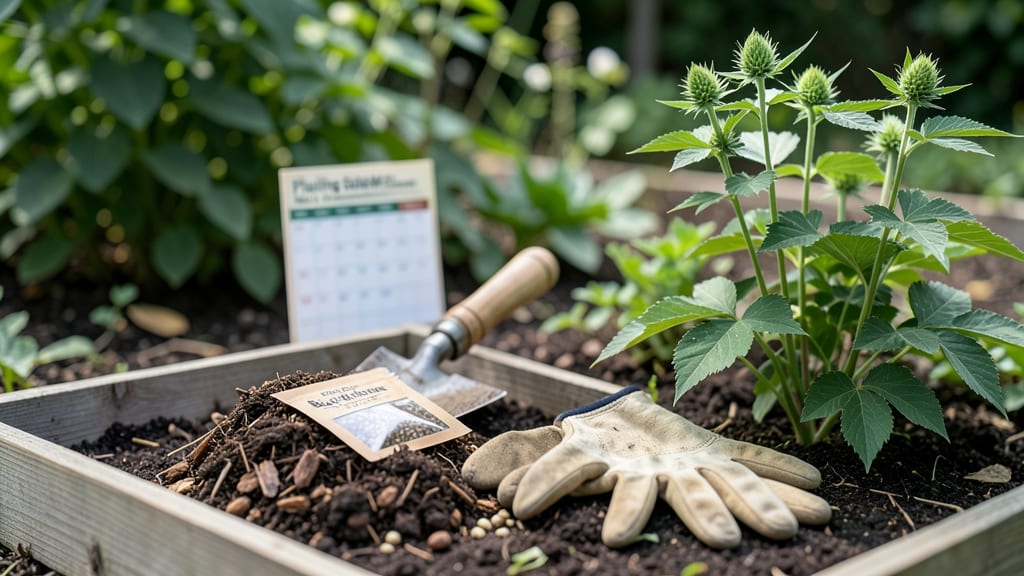
Timing your buckwheat planting in Michigan isn't just about following a calendar—it's about outsmarting the Great Lakes' unpredictable frost dates and short growing season. This fast-growing crop 🌾 thrives when planted just right, but get the timing wrong, and you might end up with stunted plants or wasted effort.
Most Michigan gardeners in zones 5b-6b should aim for late spring to early summer—think May to early June—when soil temperatures hit at least 60°F.
This window gives buckwheat enough time to mature before the first frost rolls in around mid-October, ensuring a reliable harvest by late summer or early fall.
Here’s the game-changer: buckwheat is one of the few crops that can handle cooler soil temperatures, but planting too early risks frost damage, while waiting too long cuts your harvest short.
I’ll walk you through the exact steps to time it perfectly, including soil prep and regional tweaks for Upper vs. Lower Peninsula gardeners.
Ready to grow this nutrient-rich, drought-tolerant crop without the guesswork? Let’s dive into the 3 critical factors that’ll make your buckwheat thrive in Michigan’s climate—no matter how finicky the weather gets.
Michigan’s buckwheat planting timeline: frost dates and hardiness zones
Michigan’s USDA hardiness zones 4-6 create unique challenges for buckwheat growers, but this resilient crop thrives when planted at the right time. Unlike many grains, buckwheat tolerates light frost and even performs well in cool summer temperatures common in the Great Lakes region.
The key to success lies in understanding your last frost date, which typically falls between mid-April (southern Michigan) and early May (northern regions). Buckwheat’s 60-day growing season means you’ll want to plant after these dates to ensure a harvest before Michigan’s first frost (mid-October).
Here’s where it gets interesting: buckwheat can actually be planted as early as late April in southern Michigan if you’re using it as a cover crop, but for grain production, aim for late May to early June when soil temperatures consistently reach 50°F (10°C).
Northern Michigan gardeners in Zone 4 should wait until early June to plant, while those in Zone 5-6 (southern Michigan) can start as early as late May. The Upper Peninsula’s cooler climate means buckwheat often matures just in time for early fall harvests before hard frosts arrive.
One common mistake Michigan gardeners make is planting buckwheat too late, thinking it’s more frost-tolerant than it is. While young plants can handle light frosts (28°F/-2°C), established plants need consistent warmth to produce quality grain. Planting after June 15 risks immature harvests before frost.
| Region | USDA Zone | Last Frost | Planting Window | Harvest Window |
|---|---|---|---|---|
| Southern Michigan | 5b-6b | Mid-April | Late May - Early June | Late August - Early September |
| Central Michigan | 5a-5b | Early May | Early June | Early September |
| Northern Michigan | 4a-4b | Early May | Early - Mid June | Mid-September |
| Upper Peninsula | 4a | Late May | Mid-June | Late September |
Michigan’s microclimates play a huge role in buckwheat success. Urban areas like Detroit often experience earlier last frosts than rural areas, while lake-effect regions near the Great Lakes can have cooler, wetter summers that actually benefit buckwheat growth.
For gardeners in Zone 6 (southern Michigan), you might even squeeze in a second planting in early August for a late-season harvest. Just be prepared to use row covers if frost threatens early. The key is monitoring your local agricultural extension service for real-time frost predictions.
One advantage buckwheat has over other grains in Michigan is its ability to thrive in poor soils. While timing is critical, don’t overlook preparing your planting beds with compost to ensure maximum yields.
The plant’s rapid growth rate (1-2 inches per day) means it will quickly outcompete weeds once established.
Remember that buckwheat’s golden-brown seed heads are your harvest signal, typically appearing 60-75 days after planting. In Michigan’s short season, this means you’ll need to plant early enough to capture this window before frost.
With the right timing, you can enjoy homegrown buckwheat groats for pancakes or nutrient-rich cover crop benefits by fall.
3 Critical factors to time buckwheat planting perfectly in Michigan
Timing your buckwheat planting in Michigan isn’t just about avoiding frost—it’s about matching the crop’s growth speed with your local microclimate. Unlike slow-growing grains, buckwheat bolts in 45-60 days, so planting too late means missing harvest season entirely. Here’s how to nail the window every time.
First, prioritize soil temperature over calendar dates. Buckwheat seeds need 50°F+ soil to germinate reliably. Use a soil thermometer in May to confirm readiness—especially in Zone 5b areas like northern Michigan where cold snaps linger. Planting in 45°F soil risks rot or stunted growth, wasting your seeds.
Next, account for companion planting to extend your season. Pair buckwheat with fast-maturing radishes or lettuce to maximize space. The radishes harvest early, leaving room for buckwheat’s taller stalks. Alternatively, plant buckwheat after early potatoes in June—this succession strategy lets you double-crop in Michigan’s short season.
Don’t fall for the myth that buckwheat tolerates frost like spinach. While it’s cold-hardy at the seedling stage, young plants won’t survive below 28°F. In Zone 4 areas (Upper Peninsula), wait until late May—even if your neighbor plants earlier.
Use row covers for a 2-week head start if you’re eager, but remove them before flowering to prevent heat stress.
Finally, use buckwheat’s dual-purpose nature to your advantage. Plant a small test patch in August for a fall cover crop—it smothers weeds, improves soil, and attracts pollinators.
Just ensure it’s planted by September 1 to mature before frost. This double-duty approach turns one crop into two harvests in Michigan’s brief season.
Pro tip: Mark your calendar for June 15 as your last chance for a grain harvest. After that, shift to cover crop mode or focus on green manure benefits. Buckwheat’s adaptability is its superpower—use it wisely to outsmart Michigan’s short growing season.