
Plants
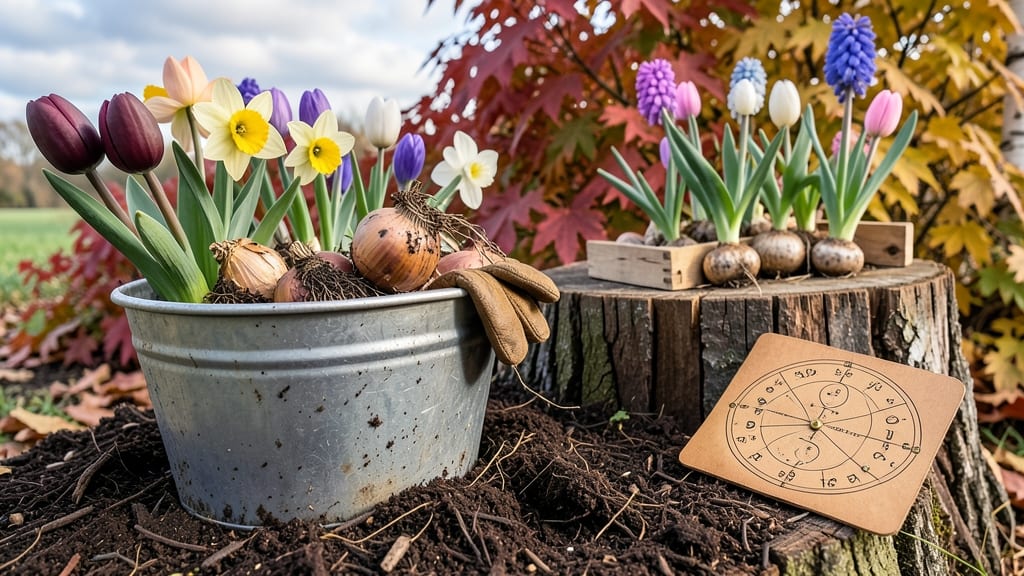
Planting your 🌷 Spring Flowering Bulbs at the wrong time in Kentucky’s Zone 6A-7A climate could mean the difference between a stunning spring garden and wasted effort.
The key to success lies in understanding when to plant these beauties—whether you're prepping for fall or spring blooms—and how Kentucky’s unique microclimates can shift those timelines.
Most gardeners know fall is the prime window for planting bulbs like tulips and daffodils, but did you know the ideal time in Kentucky stretches from September through November?
This timing ensures bulbs establish roots before the ground freezes, giving them the best chance to burst into color next spring. But if you missed that window, don’t worry—spring planting (March to April) can still work, especially for late bloomers.
What makes Kentucky’s planting schedule tricky? The state’s varied landscapes—from the Bluegrass region to the Appalachian foothills—create microclimates that can shift frost dates by weeks. Urban heat islands might delay your first frost, while higher elevations could bring it earlier.
I’ll show you how to adjust your planting timeline based on your specific corner of the state, so you’re never left guessing.
Ready to transform your garden into a 🌷 springtime spectacle? Let’s dive into the exact planting windows, soil prep secrets, and common mistakes to avoid—so you can enjoy those vibrant blooms from April to June without a hitch.
Optimal Kentucky bulb planting calendar by type (Zone 6A specific)
Kentucky’s Zone 6A climate demands precision when planting bulbs—fall-planted varieties like tulips and daffodils need 6-8 weeks before frost, while spring-planted bulbs (like dahlias) go in 2-4 weeks before last frost. Since Kentucky’s average first frost hits around October 15, aim for September-November for most bulbs.
But timing varies by type, and microclimates (like urban heat islands or Appalachian valleys) can shift dates by 2-3 weeks.
For spring-flowering bulbs (tulips, daffodils, crocuses), fall planting is critical—they need cold stratification to bloom. Summer-blooming bulbs (dahlias, cannas) go in after last frost, while fall-blooming bulbs (like chrysanthemum tubers) have their own windows.
Below, I’ve broken down the exact planting windows for Kentucky’s most popular bulbs, accounting for frost dates and soil temps.
| Bulb Type | Optimal Planting Window (Zone 6A) | Soil Temp Requirement | Depth (inches) | Notes for Kentucky |
|---|---|---|---|---|
| Tulips | Mid-September to early November | 45–55°F | 6–8" | Plant late September in northern KY; early November in Louisville. |
| Daffodils | Late September to mid-November | 40–50°F | 6" | Hardier than tulips; extend window to December in mild microclimates. |
| Crocuses | September–October | 50–60°F | 3–4" | Early bloomers; plant September for early spring color. |
| Dahlias | Mid-April to early May (after last frost) | 60°F+ | 4–6" | Wait until soil warms; use black plastic mulch in cool areas. |
| Hyacinths | October–November | 50°F | 6–8" | Fragrant but deer-sensitive; plant late October for best results. |
Kentucky’s frost dates vary wildly—northern regions (like Paducah) freeze earlier than Lexington or Louisville. Use a soil thermometer to confirm 45–55°F soil temps before planting fall bulbs.
For spring-planted bulbs, wait until nighttime temps stay above 50°F consistently. Pro tip: Mark your calendar for April 15 (average last frost date) and plant dahlias/cannas 2–3 weeks after.
If you’re container gardening, adjust timing slightly—pots warm up faster in spring, so plant 1–2 weeks later than in-ground bulbs. For woodland gardens (shadier, cooler spots), plant 1–2 weeks earlier to account for slower soil warming.
And remember: bulb size matters! Larger bulbs (like 12"+ tulips) need deeper planting (8–10") to prevent rot or frost heave.
For local Kentucky varieties, prioritize tough, reliable bulbs like ‘Geranium’ tulips (disease-resistant) or ‘Ice Follies’ daffodils (deer-resistant). These thrive in Zone 6A’s humidity and clay-heavy soils common in Bluegrass Region. Avoid tender bulbs (like gladioli) unless you’re in Zone 7+ areas.
One critical mistake
How Kentucky’s microclimates affect bulb planting success
Kentucky’s diverse geography means your bulb planting timeline should depend on where you live. The Bluegrass Region around Louisville experiences later frosts, while the Appalachian foothills in eastern Kentucky can freeze weeks earlier.
Even urban areas like Lexington create heat islands that delay first frost by 1-2 weeks compared to rural zones.
For example, gardeners in Zone 6A mountain areas should plant fall bulbs by mid-October, but those in Zone 7A river valleys near Paducah might safely plant until November.
The key is knowing your average first frost date—Kentucky’s ranges from October 15 in high elevations to November 1 in western valleys.
🌱 Pro Tip: Use the National Weather Service’s frost charts or local Cooperative Extension Service data to pinpoint your exact microclimate. Many Kentucky counties now offer hyper-local frost predictions based on elevation and urban density.
🌡️ Microclimate Adjustments for Kentucky Bulbs
Plant 2-3 weeks later
Soil stays warmer
Plant 3-4 weeks earlier
Frost arrives sooner
Plant 1-2 weeks later
Moderate microclimate
Plant 2 weeks earlier
Cooler soil temperatures
💡 Soil Thermometer Tip: Bulbs need soil temps between 40-60°F for root establishment. Use a $15 soil thermometer to verify planting conditions in your microclimate.
Another critical factor is soil drainage. Kentucky’s clay-heavy soils in western regions can cause bulbs to rot if planted too deep. In these areas, amend with compost or sand to improve drainage.
Meanwhile, sandy soils in eastern Kentucky may require organic matter to retain moisture during Kentucky’s unpredictable spring rains.
For container gardening in Kentucky’s urban heat islands, plant bulbs 2-3 weeks earlier than ground planting schedules. Pots heat up faster and can trigger premature sprouting. Use black containers to absorb heat in winter—this can actually help bulbs establish roots faster in cold microclimates.
Finally, don’t overlook wind exposure. Gardens in Kentucky’s Bluegrass Region experience more wind in winter, which can dry out newly planted bulbs. Apply a 1-inch mulch layer of straw or shredded leaves to protect them from desiccation until snowfall arrives.