
Plants
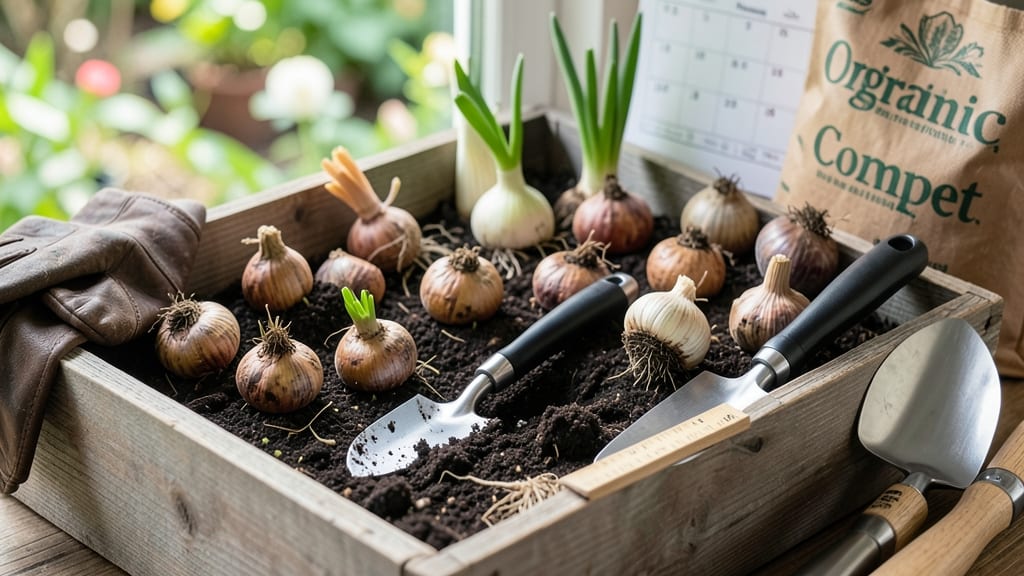
Planting Spring-Blooming Bulbs (Tulips, Daffodils, Hyacinths, etc.) 🌷 in Maine isn't just about timing—it's about matching the chill hours your bulbs need to thrive in Zone 5b-6b. Get it wrong, and you might end up with weak stems or no blooms at all, despite your best efforts.
The key is planting them 6-8 weeks before the ground freezes, usually between September and November, when soil temperatures drop to about 50°F.
Why does this matter so much? Because these bulbs rely on cold weather to break dormancy and develop strong roots before spring. In Maine, where winters can be unpredictable, knowing exactly when to plant ensures your 🌷 Spring-Blooming Bulbs get the perfect start.
Whether you're a seasoned gardener or just starting out, this is the secret to vibrant blooms that will greet you in April.
I’ll walk you through the exact steps to time your planting for maximum success, including how to adjust for Maine’s microclimates and avoid common mistakes. By the end, you’ll know exactly when to dig in—so you can enjoy a garden bursting with color come spring.
Let’s dive into the game-changer that will transform your bulb planting from guesswork to guaranteed success.
Maine’s ideal bulb planting calendar by chill-hour requirements
Maine’s Zone 5 climate demands careful timing for bulb planting, where chill hours (below 45°F) trigger blooming. Most spring-flowering bulbs need 1,000–1,500 chill hours, while hardier varieties like daffodils thrive with just 800–1,000 hours. Planting too early or late disrupts root development, leading to weak or no blooms.
Fall is the critical window for planting spring bulbs, but Maine’s variable frost dates (typically October 15 in most regions) mean flexibility is key. Aim to plant 6–8 weeks before the ground freezes, when soil temps hover around 50°F. This ensures bulbs establish roots before winter dormancy.
🌱Pro Tip: Use a soil thermometer to confirm temps—planting when soil is below 50°F risks rot, while waiting too long may delay next year’s blooms.
| Bulb Type | Chill-Hour Needs | Ideal Planting Month | Depth (inches) | Bloom Time |
|---|---|---|---|---|
| Daffodils (Narcissus) | 800–1,000 | September–October | 6–8 | April–May |
| Tulips (Tulipa) | 1,200–1,500 | October–November | 6–8 | May–June |
| Hyacinths (Hyacinthus) | 1,000–1,200 | September–October | 6–8 | April–May |
| Crocuses (Crocus) | 600–800 | August–September | 3–4 | March–April |
| Alliums (Ornamental Onions) | 1,000–1,200 | September–October | 6–8 | May–June |
For spring-planted bulbs like dahlias or gladiolas, wait until late April or May after the last frost (May 15 in most of Maine). These bulbs need warm soil to sprout, so rushing them risks rot. Use black plastic mulch to warm soil faster if needed.
🌿Regional Note: Coastal Maine (e.g., Portland) has milder winters, so you can plant 1–2 weeks later than inland areas like Bangor. Always check local frost dates—the Maine State Climate Office provides updated forecasts.
If you miss the fall window, late-winter planting (February) is possible for hardy varieties like daffodils, but blooms may be delayed. Pre-chill bulbs in the fridge for 8–12 weeks to mimic winter conditions before planting.
💡Key Reminder: Bulbs planted in well-draining soil with organic matter (like compost) perform best. Avoid heavy clay soils, which cause rot during Maine’s wet springs.
For summer-flowering bulbs (e.g., cannas or caladiums), plant after the last frost (May 15) in warm, protected spots. These don’t need chill hours and bloom 60–90 days after planting.
✂️Action Step: Mark your calendar for September 15–October 15—this is your prime window for most spring bulbs in Maine. Set a reminder to water deeply after planting to encourage root growth before winter.
Maine’s ideal bulb planting calendar by chill-hour requirements
In Maine’s Zone 5b-6b, timing your bulb planting to match chill-hour requirements is the secret to vibrant spring blooms. Most spring-flowering bulbs like tulips and daffodils need 12-16 weeks of cold to develop properly.
Planting too early or late disrupts this critical process, leading to weak stems or no flowers at all.
Your planting window typically spans from late September through November, but the exact timing depends on the chill-hour needs of your bulbs and your local frost dates.
For example, daffodils often bloom earlier than tulips, so they can handle slightly later planting. Let’s break down the ideal schedule by bulb type and chill requirements.
| Bulb Type | Chill-Hour Needs | Ideal Planting Window | Soil Temp | Notes |
|---|---|---|---|---|
| Daffodils (Narcissus) | 12-16 weeks | October 1 - November 15 | 40-50°F | Early bloomers; tolerate later planting |
| Tulips (Tulipa) | 14-16 weeks | September 15 - October 31 | 45-55°F | Need precise timing; avoid planting too late |
| Hyacinths (Hyacinthus) | 15-17 weeks | September 1 - October 15 | 40-50°F | Fragrant but frost-sensitive; plant early |
| Alliums (Ornamental Onions) | 10-12 weeks | September 15 - November 1 | 50-60°F | Drought-tolerant; great for late blooms |
| Crocuses (Crocus) | 8-10 weeks | September 1 - October 15 | 45-55°F | Early spring bloomers; plant in clusters |
For Maine gardeners, aim to plant when soil temperatures consistently drop below 60°F—usually by mid-September. This timing ensures bulbs establish roots before the ground freezes. Use a soil thermometer to track temperatures and adjust your schedule if summer lingers late.
Pro tip: Label your bulbs by planting date to track which varieties bloom first. This helps you create a sequential color display from early crocuses in March to late tulips in May. The key is consistency—stick to these windows, and you’ll enjoy reliable blooms year after year.
Remember, Maine’s first frost typically arrives around October 15, so plan to finish planting at least 4-6 weeks before that date. This gives bulbs enough time to root deeply before winter sets in.