
Trees
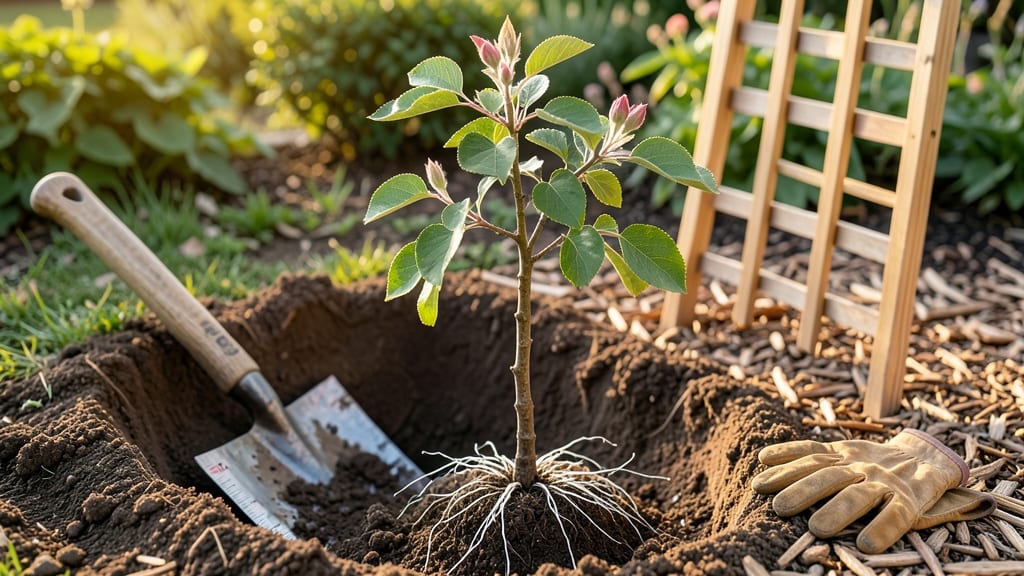
Timing your 🍎 apple tree planting in Maine isn't just about the calendar—it's about beating the clock against late frosts and matching your tree's chill-hour needs. Plant too early, and you risk frost damage; too late, and your tree won't establish strong roots before winter.
The 5b-6b zone gives you two prime windows: early spring or fall, but each has its own tricks for success.
Let's cut through the guesswork. Whether you're planting bare-root saplings in April or containerized trees in September, I'll walk you through how to read Maine's frost patterns and select varieties that thrive in our cold climate.
You'll discover why some years demand fall planting while others favor spring, and how to prepare your soil for rocky terrain that's common across the state.
What happens when you get the timing wrong? Your tree might struggle to fruit or even survive our unpredictable weather. I've seen gardeners miss the window by just a few weeks—and the difference between a thriving orchard and a failed investment can come down to those critical planting dates.
Let me show you exactly how to get it right the first time.
From choosing cold-hardy varieties like 'Cortland' to adjusting for coastal microclimates, this guide gives you the local expertise you need. You'll learn how to protect young trees from late frosts, when to fertilize without burning new roots, and why some years call for fall planting over spring.
Ready to plant with confidence?
Best planting months in Maine based on chill hours and frost zones
Maine’s short frost-free season and variable chill hours make timing critical for apple tree success. The ideal planting windows are early spring (April–May) or early fall (September–October), aligning with soil thaw and leaf drop. These periods give roots time to establish before winter dormancy or summer heat.
In USDA Zones 5b–6b, most Maine apple varieties require 600–1,000 chill hours (below 45°F). Early spring planting (before buds swell) avoids frost damage, while fall planting (6–8 weeks before first frost) allows root growth before winter. Coastal areas may extend windows slightly due to milder microclimates.
Honeycrisp and McIntosh thrive with 800+ chill hours, while Cortland adapts to 600–700 hours. Always check variety tags—some modern hybrids (like Liberty) tolerate fewer chill hours but may yield less in colder inland zones.
Late frosts in May are common in Maine, so avoid planting bare-root trees after buds break. Container-grown trees offer flexibility but need consistent moisture during dry spells. For coastal Maine, push planting to late April–June due to delayed frost risks.
| Planting Window | Best Varieties | Chill Hours Needed | Soil Temp Requirement | Maine-Specific Tip |
|---|---|---|---|---|
| Early Spring (April–May) | Honeycrisp, McIntosh, Cortland | 800–1,000 hours | 45–50°F | Plant before buds swell to avoid frost damage. |
| Early Fall (September–October) | Liberty, Macoun, Empire | 600–800 hours | 50–55°F | Water deeply before first frost for root insulation. |
| Late Spring (June) | Dwarf varieties only | 700+ hours | 55°F+ | Use mulch to retain moisture in rocky Maine soil. |
For coastal Maine (e.g., Portland), extend spring planting to mid-June—warmer maritime air delays frosts. Inland areas (e.g., Presque Isle) should plant by late April to avoid late May frosts. Always monitor local frost dates via the Maine Climate Office or USDA Plant Hardiness Map.
Container-grown trees can be planted year-round in Maine, but spring or fall still offer the best success. Amend sandy or rocky soil with compost to improve water retention, a critical adjustment for Maine’s poorly draining native soils in many regions.
If planting in fall, apply a 4–6 inch mulch layer of straw or wood chips to insulate roots. Remove mulch in early spring to prevent rot. For bare-root trees, soak roots for 1–2 hours before planting to rehydrate.
Maine’s variable microclimates mean inland orchards may need windbreaks to protect young trees from winter desiccation. Coastal areas benefit from salty air resistance but require extra calcium in soil to prevent blossom end rot in apples.
Pro tip: Plant two compatible varieties (e.g., Honeycrisp + McIntosh) for cross-pollination—critical for fruit set in Maine’s cool summers. Space trees 20–25 feet apart for standard varieties or 12–15 feet for dwarfs.
🌱
How to choose cold-hardy apple varieties that thrive in Maine’s climate
Selecting the right apple tree variety for Maine isn’t just about taste—it’s about survival. Our 5b-6b hardiness zones demand trees with 600–1,000+ chill hours, or they’ll struggle to fruit. Varieties like 'Cortland' and 'McIntosh' are local favorites because they handle our cold winters and short growing seasons.
But not all apples are created equal—some need more care than others to thrive in rocky Maine soil.
Start by checking a variety’s chill-hour requirement. Trees with 800+ chill hours (like 'Honeycrisp') may need extra protection in milder coastal areas, while 600–700-hour varieties (like 'Liberty') adapt better to inland zones.
Disease resistance is also key—Maine’s humid summers invite apple scab and cedar apple rust, so look for varieties bred for resistance.
🍏 Cold-Hardy Apple Varieties for Maine
| Variety | Chill Hours | Disease Resistance | Rootstock Type |
|---|---|---|---|
| Cortland | 800-1,000 | High (scab-resistant) | Standard or semi-dwarf |
| McIntosh | 600-800 | Moderate (susceptible to rust) | Dwarf or semi-dwarf |
| Liberty | 600-700 | Very high (scab/rust-resistant) | Standard or semi-dwarf |
| Honeycrisp | 800-1,000 | Moderate (needs fungicide) | Semi-dwarf |
| Gala | 500-700 | Low (prone to scab) | Dwarf |
Rootstock choice matters just as much as the variety. Dwarf rootstocks (like M.9) keep trees manageable for small spaces but may need extra winter protection. Semi-dwarf options (like MM.106) strike a balance, while standard rootstocks (like Seedling) create full-size trees better suited for orchards.
In coastal Maine, where winds are stronger, semi-dwarf trees often perform better due to their stability.
Consider pollination partners too—most apple trees need a second variety blooming at the same time for fruit set. 'Cortland' pairs well with 'McIntosh', while 'Liberty' is self-pollinating but benefits from neighbors.
If space is tight, opt for columnar varieties like 'Columnar Honeycrisp', which grow narrow and produce fruit along the entire trunk.
Finally, adjust for your microclimate. Inland areas like Presque Isle get colder winters than coastal Portland, so choose varieties with higher chill hours for inland spots.
For coastal gardens, focus on disease-resistant types that handle humidity better. Always buy from Maine-grown nursery stock to ensure your tree’s already adapted to our climate.
🌱