
Plants
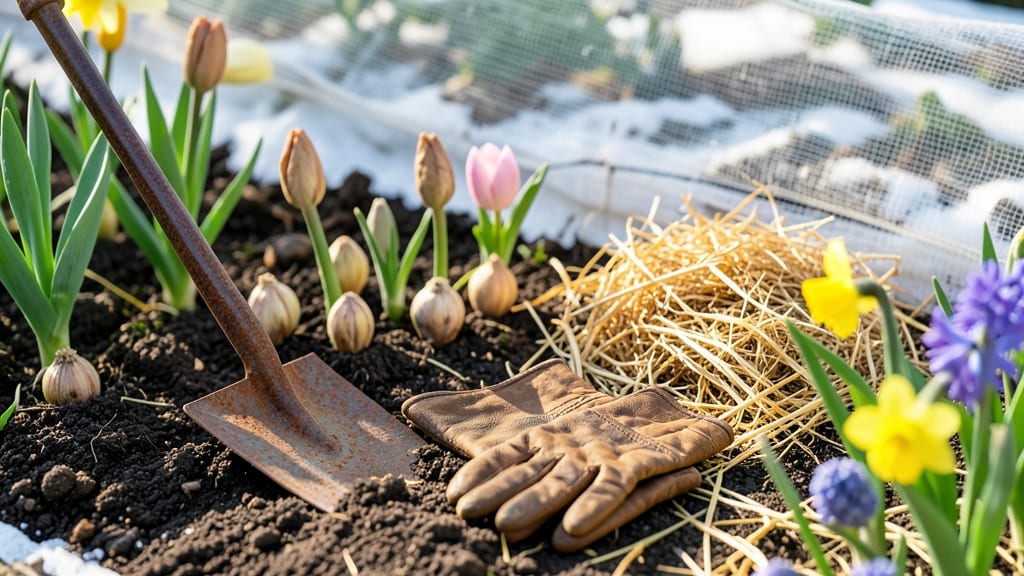
Timing your Spring Flowering Bulbs (Tulips, Daffodils, Hyacinths, etc.) planting in Minnesota isn’t just about the calendar—it’s about beating the frost and giving those 🌷 roots a fighting chance before winter sets in.
One wrong move, and your dreamy spring garden could end up as a sad, frozen memory instead of vibrant blooms.
If you’ve ever wondered why some gardeners swear by planting in September while others insist on October, the answer lies in Minnesota’s Zone 4B climate—where first frosts can sneak in as early as mid-October.
The key? Planting 6 weeks before the ground freezes ensures bulbs establish roots without sprouting too soon. But how do you know when that window opens in your backyard?
I’ll break down the exact planting timeline, from soil temperature cues to frost dates, so you can avoid the 3 biggest mistakes that kill Minnesota bulbs before spring.
Whether you’re a first-time gardener or a seasoned pro, these tips will help you time it right for bold, reliable blooms year after year.
Ready to transform your fall chores into next year’s showstopper garden? Let’s dive into the perfect planting schedule for Minnesota’s unpredictable weather—without the guesswork.
Minnesota bulb planting calendar: exact months for spring blooms
Timing is everything when planting spring-flowering bulbs in Zone 4B. Minnesota’s unpredictable frosts and short growing season demand precision—plant too early, and bulbs may sprout prematurely; too late, and they won’t establish roots before winter.
The ideal window is 6 weeks before the ground freezes, typically between mid-September and mid-October, but local conditions can shift this by weeks.
Most tulips, daffodils, and hyacinths thrive when planted in cool soil (50–60°F). Use a soil thermometer to check—if temps drop below freezing, bulbs risk frost damage.
In southern Minnesota (Zone 5a), you might squeeze in late October plantings, but northern areas (Zone 4a) should finish by early October to avoid winter exposure.
🌱 Pro Tip: Mark your calendar for the average first frost date (usually mid-October) and count backward 6 weeks. This ensures bulbs have time to root before winter sets in.
| Bulb Type | Planting Window | Soil Temp | Depth | Notes |
|---|---|---|---|---|
| Tulips | Mid-Sept to mid-Oct | 50–60°F | 6–8 inches deep | Plant early for best blooms |
| Daffodils | Late Sept to early Nov | 45–55°F | 6 inches deep | More frost-tolerant |
| Hyacinths | Mid-Sept to mid-Oct | 50–60°F | 6 inches deep | Fragrant but needs shelter |
| Alliums | Late Sept to Oct | 45–55°F | 4–6 inches deep | Drought-tolerant |
For extended-season varieties, like late-blooming tulips, aim for the earlier end of the window (mid-September). These need more time to establish roots before winter. Conversely, daffodils and alliums are more forgiving—you can plant them slightly later (up to early November) if soil temps stay above freezing.
🌿 Soil Prep Matters: Amend your garden beds with compost or aged manure before planting to improve drainage. Bulbs rot in soggy soil, and Minnesota’s heavy clay can trap moisture. Aim for well-draining soil with a pH of 6.0–7.0 for optimal growth.
If you miss the fall window, spring planting is possible but risky. Bulbs planted in March or April may bloom the same year, but they’ll be weaker and less vibrant. Reserve this for potted bulbs or containers that can be moved to a sheltered spot if frost threatens.
🌡️ Watch for Early Freezes: Check your local Almanac frost dates—some years, frost arrives as early as September 30. If this happens, cover newly planted bulbs with straw or leaves to insulate them until the ground freezes solid.
Finally, mulch after planting with 2–3 inches of straw or shredded leaves. This protects bulbs from temperature swings and keeps soil moisture consistent. Remove mulch in early spring once shoots emerge to prevent rot.
With these timing guidelines, your spring bulbs will thrive despite Minnesota’s challenges—delivering bold, early color when winter finally loosens its grip. 🌷
How to adjust planting time for Minnesota’s microclimates
Minnesota’s Zone 4B climate creates unique microclimates that can shift your bulb planting window by weeks. Urban areas like Minneapolis often experience heat islands that delay frost, while rural spots may freeze earlier. Adjust your timing based on these local conditions to maximize success.
For protected garden spots (like south-facing beds or under trees), you can plant 2–3 weeks later than the general timeline. These areas retain heat longer, reducing frost risk. Use a lightweight mulch (like straw) to insulate soil and extend the planting window by another week.
In containers or balcony gardens, plant bulbs 4–6 weeks earlier than ground planting. Pots freeze faster, so get them in the ground or move them to sheltered spots before the first frost. Choose dwarf varieties (like miniature tulips) for container success.
🌱Pro Tip: Test your soil’s freeze depth by burying a bulb at your target depth. If it freezes within 6 weeks, plant sooner. If it stays above freezing longer, you’ve got extra time.
🌿 Microclimate Adjustments for Bulb Planting
- Plant 1–2 weeks earlier in exposed areas (e.g., open fields, north-facing beds).
- Use organic mulch (straw, leaves) to insulate soil and delay frost.
- Choose hardy varieties (daffodils, alliums) for colder microclimates.
- Monitor soil temperature—plant when it’s 40–50°F.
- Plant too late in heat islands—soil may stay warm too long, causing premature sprouting.
- Ignore container limitations—pots freeze faster than ground soil.
- Skip drainage checks in low-lying areas (risk of rot).
- Use heavy mulch (like grass clippings) that can compact and suffocate bulbs.
💡 Key Insight: Sheltered spots can add 2–3 weeks to your planting window—use this to your advantage!
If you’re in a transition zone (like southern Minnesota near Zone 5), aim for late October planting to avoid winter heaving. For northern areas (near the Canadian border), finish by mid-October—earlier is better.
For container gardens, pre-chill bulbs in the fridge for 4–6 weeks before planting to mimic winter conditions. This trick helps tender varieties (like hyacinths) establish roots faster in pots.
🌷Final Tip: Mark your calendar for November 1st—this is your absolute deadline for most Minnesota bulbs. After that, focus on mulching to protect what’s already planted.