
Plants
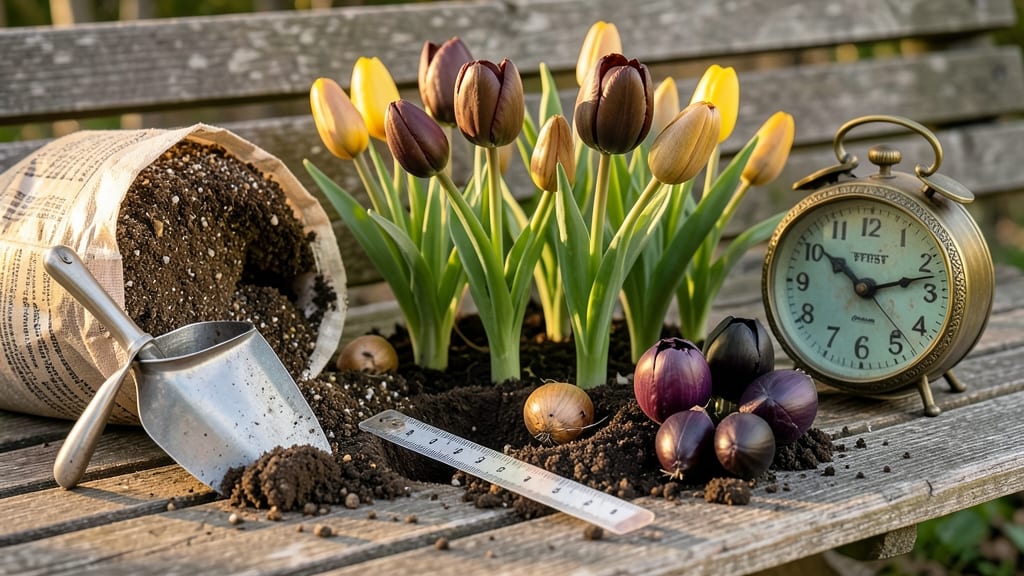
Knowing when to plant bulbs in Zone 5b is the secret to a show-stopping spring garden—because timing this wrong means soggy bulbs or missed blooms. If you’ve ever wondered why your 🌷 spring flowering bulbs flopped, it’s likely a frost-date miscalculation.
The sweet spot? Planting 6-8 weeks before the ground freezes, usually between late September and mid-October in the Northern Midwest or Northeast.
Here’s the game-changer: bulbs like tulips and daffodils need cold dormancy to bloom, but they’ll rot if planted too early. I’ll walk you through the exact frost-ready window, soil prep tricks, and how to adjust for late frosts—so you’re never guessing again.
No more waiting until the last minute or digging up mushy bulbs in spring.
Whether you’re a first-time gardener or a seasoned Zone 5b pro, this guide cuts through the confusion. You’ll learn how to stagger planting for a longer bloom season, avoid common mistakes, and even troubleshoot if your bulbs don’t emerge.
Ready to turn your yard into a springtime masterpiece? Let’s get those bulbs in the ground the right way.
By the end, you’ll have a foolproof schedule, from soil temperature checks to mulching tips, so your 🌷 spring flowering bulbs pop up reliably year after year. No more “I’ll plant them later” excuses—just a garden that wows.
Optimal planting weeks before frost for Zone 5b bulbs
Zone 5b gardeners face a tight window for planting spring-flowering bulbs—typically 6 to 8 weeks before the first hard frost. In most of Zone 5b, this means planting between late September and mid-October, but exact timing depends on your specific last frost date.
For example, in Buffalo, NY, aim for early October, while Chicago, IL may need to plant by late October. Soil temperatures below 50°F (10°C) signal it's time to start.
Bulbs like tulips and daffodils need this cold period to vernalize—a process where they develop roots but stay dormant until spring. Planting too early (like in August) can cause rot from excess moisture, while waiting until November risks bulbs not establishing roots before the ground freezes.
Use your local USDA frost calendar as your guide.
Here’s the golden rule: Plant bulbs when soil temps are below 60°F (15°C) but still workable. In Zone 5b, this usually aligns with 6-8 weeks before the first frost.
For instance, if your frost date is November 15, plant between September 25 and October 15. Use a soil thermometer to confirm—it’s your best tool for precision.
🌱 Zone 5b Bulb Planting Timeline
| Bulb Type | Ideal Planting Window | Soil Temp Threshold | Weeks Before Frost |
|---|---|---|---|
| Tulips | Late September - Early October | 50-60°F (10-15°C) | 6-8 weeks |
| Daffodils | Mid-September - Mid-October | 45-55°F (7-13°C) | 7-9 weeks |
| Hyacinths | Late September - Early October | 50-60°F (10-15°C) | 6-8 weeks |
| Crocuses | Early September - Early October | 40-50°F (4-10°C) | 8-10 weeks |
| Alliums | Mid-October - Early November | 40-50°F (4-10°C) | 4-6 weeks |
✅ Pro Tip: Adjust for microclimates—sheltered spots may stay warm longer.
Don’t stress if you miss the ideal window—late plantings can still work in Zone 5b, but bulbs may need extra mulch (4-6 inches) to insulate them. For example, planting tulips in November is risky, but daffodils (hardier) can often handle it.
Always water thoroughly after planting to encourage root growth before the ground freezes.
For spring-planted bulbs (like caladiums or cannas), wait until after the last frost in Zone 5b (mid-May). These bulbs thrive in warm soil and won’t tolerate cold.
Test soil temps with a thermometer—aim for 60°F (15°C) or warmer before planting. In containers, use black plastic mulch to warm the soil faster.
Regional adjustments matter in Zone 5b. Areas like Detroit, MI, with late frosts, may need to plant daffodils by Thanksgiving, while Burlington, VT, with earlier frosts, should plant by mid-October.
Check your local cooperative extension service for hyper-local advice. They often provide weekly frost probability maps that are invaluable.
One common mistake is planting bulbs too shallow. In Zone 5b’s cold winters, bulbs need 6-8 inches of soil coverage to protect them from freeze-thaw cycles. Use a bulb planter or your finger to dig holes 3x the bulb’s height.
For example, a 2-inch tulip bulb should go 6 inches deep. This depth also prevents heaving—when bulbs push up through frozen soil.
After planting, mulch heavily with straw or shredded leaves (4-6 inches). This creates a protective barrier against temperature swings and keeps soil moist. In sandy soils, which dry out faster, add compost to retain moisture. Zone 5b’s <
Optimal planting weeks before frost for Zone 5b bulbs
In Zone 5b, the golden rule for planting bulbs is 6-8 weeks before the first hard frost. For most of the Northern Midwest and Northeast, this lands between late September and mid-October.
But here’s the catch: soil temperature matters more than calendar dates. Bulbs need 40-50°F soil to root without rotting—too warm, and they’ll spoil; too cold, and they won’t establish.
Use a soil thermometer to check depths of 6-8 inches. If temps drop below 50°F at night, it’s time to plant. Pro tip: In years with late frosts (like 2020’s extended fall), push planting to early November—just don’t let the ground freeze before bulbs root.
🌱
| Bulb Type | Planting Window | Soil Temp | Depth |
|---|---|---|---|
| Tulips | Late Sept - Early Oct | 45-55°F | 6-8 inches |
| Daffodils | Mid-Sept - Late Oct | 50-60°F | 6-8 inches |
| Crocuses | Early Sept - Mid-Oct | 40-50°F | 3-4 inches |
| Alliums | Late Sept - Early Nov | 50-55°F | 6-8 inches |
For late bloomers like alliums, you can push planting to early November—just cover them with 4-6 inches of mulch after the ground freezes. Early bloomers like crocuses (which pop up under snow!) need to be in by mid-October.
The key is staggering planting for continuous color—think of it like layers in a cake.
If you’re in a microclimate (like a south-facing slope), plant 2 weeks earlier than the average. Conversely, north-facing areas or low spots may need a 2-week delay. Always check your local USDA frost date map—it’s your best friend for Zone 5b gardening.
One more pro tip: If you miss the window, don’t panic. You can plant bare-root bulbs in late winter (February-March) as long as the ground isn’t frozen.
Just keep them cool and moist until spring. But for the best results, aim for that 6-8 week frost buffer—your future spring garden will thank you.
🌿