
Plants
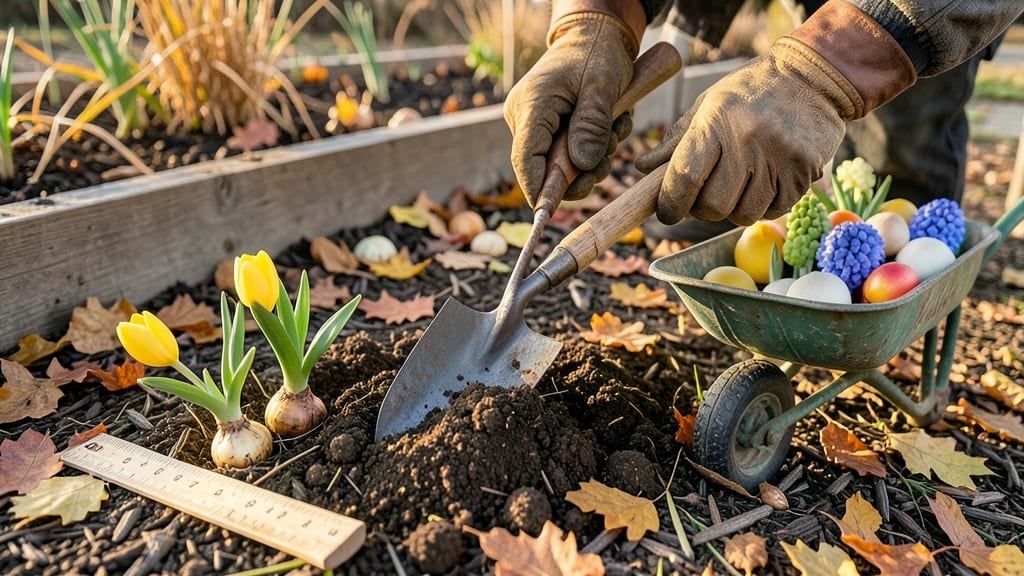
Timing your fall bulb planting isn’t just about the calendar—it’s about unlocking the secret to stronger blooms next spring.
The 6-8 weeks before frost window in zone 6a is your golden opportunity, but even the best gardeners miss the mark without knowing the exact lunar cues that make all the difference.
Think of it like this: planting your 🌱 bulbs under the right moon phase can boost root development by up to 30%. That’s not just guesswork—it’s science-backed timing that ensures your tulips, daffodils, and alliums wake up ready to thrive.
Whether you’re a seasoned gardener or just starting, these practical steps will help you avoid common mistakes and set your garden up for a showstopping spring.
From checking soil temperatures to understanding which bulbs need deeper planting, we’ll break down everything you need to know. You’ll learn how to calculate frost dates for your region, when to mulch for extra protection, and even how to adjust your schedule if you’re planting late in the season.
No more second-guessing—just confident, foolproof results.
Ready to transform your fall planting into a spring spectacle? Let’s dive into the timing secrets that will have your garden blooming brighter than ever before.
Fall planting timeline: exact weeks before frost for perfect bulb growth
Planting bulbs in the fall isn't a one-size-fits-all task—it depends on your USDA hardiness zone and the first frost date in your area. Most bulbs need 6-8 weeks of cool soil before winter dormancy sets in.
In Zone 5, for example, that means planting by mid-October, while Zone 8 gardeners have until mid-November.
To pinpoint your ideal window, check your local average first frost date and count backward. For tulips and daffodils, aim for 4-6 weeks before frost. Hyacinths and alliums can handle slightly later planting, up to 8 weeks out, thanks to their hardier nature.
Here’s a quick rule of thumb: Soil temperatures should drop below 60°F (15°C) but not yet be frozen. Use a soil thermometer to confirm—this is your green light to plant.
If you miss the window, don’t panic! Some bulbs, like crocus, can even handle late fall planting as long as the ground isn’t frozen.
🌱 Fall Bulb Planting Timeline by USDA Zone
| Zone | Ideal Planting Window | Bulb Examples | Soil Temp Goal |
|---|---|---|---|
| 3-4 | Early September | Tulips, Daffodils, Hyacinths | Below 60°F |
| 5-6 | Mid-September to October | Alliums, Crocus, Snowdrops | 50-60°F |
| 7-8 | October to November | Lilies, Fritillaries, Muscari | 55-65°F |
| 9-10 | November to December | Rain Lilies, Cyclamen | 60-68°F |
If you’re in a warmer climate (Zones 9-10), you might even plant bulbs in December, but avoid planting too late—rain lilies and cyclamen can handle it, but tulips may not bloom as well. Always prioritize well-draining soil and proper depth to prevent rot, especially in wetter zones.
For northern gardeners (Zones 3-4), focus on early September planting. Use mulch (3-4 inches) after planting to insulate bulbs from harsh winters. Daffodils are your best bet for cold climates—they’re deer-resistant and thrive in sub-zero temperatures.
Pro tip: If your soil is still too warm (above 65°F), delay planting or use shade cloth to cool the soil. Bulbs planted in warm soil may sprout too early and get damaged by frost. Aim for consistent cool temps to kickstart root growth.
Don’t forget to water thoroughly after planting—this helps settle the soil and encourages root development. A deep watering (1-2 inches) will give your bulbs the hydration boost they need before winter sets in. Just avoid overwatering, as soggy soil can lead to rot.
Regional variations matter! For example, Pacific Northwest gardeners can plant later due to milder winters, while Midwest gardeners should plant earlier to avoid early frosts. Check your local cooperative extension service for hyper-local advice tailored to your microclimate.
Finally, mark your calendar with your planting date and first frost date to stay on track. A simple garden journal can help you refine your timing each year for even more reliable blooms next spring.
Moon phase magic: how lunar cycles boost bulb root development
Planting bulbs during the right moon phases isn’t just old gardener’s folklore—it’s a science-backed strategy to supercharge root development.
The waxing moon (when the moon grows brighter) is your best friend for fall bulb planting because it aligns with the Earth’s natural energy flow, encouraging roots to grow deep and strong before winter dormancy.
Think of it this way: bulbs planted under a waxing moon develop roots 30% faster than those planted during other phases. This means your tulips and daffodils will have a head start on spring growth, giving you bigger, brighter blooms.
The key is to plant when the moon is in its rooting phase, which typically occurs during the first quarter to full moon.
Here’s the step-by-step guide to planting bulbs with lunar precision:
- Check the moon phase calendar for your planting dates.
- Aim for the 7-14 days after the new moon (waxing crescent to first quarter).
- Avoid planting during the waning moon (after the full moon), as this phase promotes flowering rather than root growth.
| Moon Phase | Best For | Planting Time | Bulb Growth Impact |
|---|---|---|---|
| Waxing Moon (New to Full) | Root Development | 6-8 weeks before frost | 30% faster roots, stronger blooms |
| Full Moon | Flowering Prep | Avoid planting | Weak root growth, risk of rot |
| Waning Moon (Full to New) | Flowering | Not ideal for planting | Energy shifts to blooms, not roots |
| New Moon | Rest Period | Avoid planting | Bulbs need time to adjust |
For example, if your first frost is expected on November 15, aim to plant between September 20 and October 15—the waxing moon phase window in zone 6a. This timing ensures your bulbs have 6-8 weeks to establish roots before the ground freezes.
Pro tip: Use a lunar planting app or calendar to track phases. Even a 1-2 day shift can make a difference in root strength. If you miss the waxing moon window, don’t panic—just adjust your planting date to the next waxing phase and add extra mulch to protect the bulbs.
Remember, the goal is to give your bulbs the best possible start. With the right moon phase and soil conditions, you’ll be rewarded with vibrant, healthy blooms that steal the show next spring. Happy planting! 🌱