
Plants
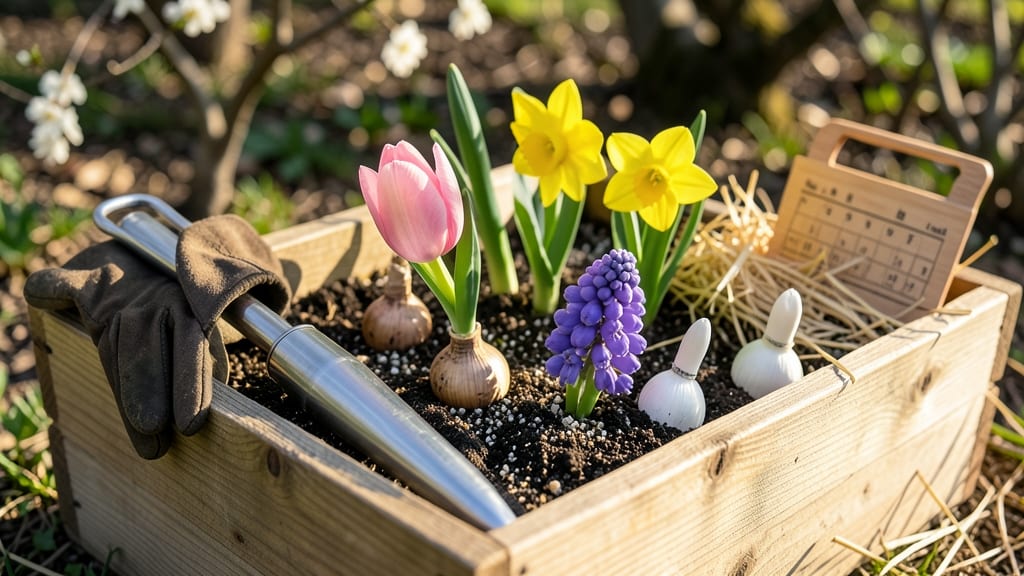
When to plant bulbs in Zone 8a is the secret to turning your garden into a springtime masterpiece—without wasting money on bulbs that never bloom. Timing those roots just right means the difference between a showstopping display and a sad, wasted investment. The key isn't just throwing them in the ground—it's understanding when those roots need to establish before winter sets in.
For most bulbs, fall planting between October and November is your golden window. This gives them 6-8 weeks to grow strong roots before the ground freezes, setting you up for vibrant blooms next spring. But here's the catch: Zone 8a's mild winters mean you've got flexibility that colder zones don't.
Spring planting works too—just aim for February or March—but the rules change slightly. We'll break down exactly which bulbs thrive in each season and how to adjust for your specific microclimate, whether you're coastal or inland in 8a.
Let's cut through the guesswork so you can plant with confidence and watch your garden explode with color. Ready to get those bulbs in the ground the right way?
Best planting months for bulbs in Zone 8a by type
In Zone 8a, timing is everything when planting bulbs. The key is to align planting with soil temperatures and rainfall patterns to ensure strong root growth before winter dormancy.
Most bulbs thrive when planted 6-8 weeks before the first frost, which typically falls around December 15 in this zone. For spring bloomers like tulips and daffodils, fall planting is ideal, while summer-blooming bulbs like dahlias prefer spring.
Zone 8a’s mild winters mean some bulbs can also be planted in early spring (February-March) if fall planting was missed. However, spring planting requires soil temperatures below 60°F to prevent premature sprouting. Let’s break down the best months for each bulb type to maximize your garden’s potential.
🌱
| Bulb Type | Ideal Planting Month | Soil Temp Requirement | Bloom Time | Zone 8a Notes |
|---|---|---|---|---|
| Tulips | October-November | Below 60°F | Spring (March-April) | Plant deep (6-8") for humidity resistance. |
| Daffodils | October-November | Below 60°F | Spring (March-April) | Drought-tolerant; great for dry spells. |
| Crocus | October-November | Below 55°F | Early Spring (February-March) | Early bloomers; plant shallow (3-4"). |
| Dahlias | February-March | Above 50°F | Summer (June-August) | Tuberous; plant after last frost. |
| Allium | October-November | Below 60°F | Spring (April-May) | Pest-resistant; great for pollinators. |
| Hyacinths | October-November | Below 60°F | Spring (March-April) | Fragrant; plant in clusters for impact. |
For spring-blooming bulbs like tulips and daffodils, aim to plant in late October or early November when daytime temperatures start to drop. This gives roots time to establish before winter, ensuring vibrant blooms next spring.
In Zone 8a’s coastal areas, where winters are milder, you might extend planting into early December, but avoid planting too close to frost dates.
If you missed the fall window, don’t worry—early spring planting (February-March) works for most bulbs, provided the soil temperature stays below 60°F. This prevents bulbs from sprouting too early, which can lead to weak growth or even death in cold snaps.
For summer-blooming bulbs like dahlias, wait until after the last frost (typically mid-February in Zone 8a) to plant tubers.
Pro tip: Use a soil thermometer to check temperatures before planting. Bulbs need consistent cool soil to trigger root growth. If your soil is still warm in late fall, hold off until temperatures drop.
In inland Zone 8a areas, where winters are slightly cooler, you can plant as late as early December, but prioritize bulbs that tolerate colder soils, like crocus.
One common mistake in
How soil temperature and rainfall affect Zone 8a bulb planting
Zone 8a's mild winters and variable rainfall make soil temperature and moisture levels the two most critical factors for successful bulb planting. Unlike colder zones, you won't get harsh freezes to signal planting time—so understanding these triggers is key to timing your bulbs perfectly for root growth.
Most bulbs need 60°F soil temperatures or cooler to trigger root development. In Zone 8a, this typically happens in late September to early October, but coastal areas may be 2-3 weeks later due to ocean moderation.
Use a soil thermometer to check—plant when temps consistently drop below 60°F at 6-inch depth.
⚠️ Planting Too Early Warning
Soil temps above 60°F can cause bulbs to sprout prematurely, making them vulnerable to heat stress or drought. In Zone 8a, this is especially risky in September—wait for cooler nights before planting.
Rainfall patterns also shift timing. Inland areas may need earlier planting (late September) to establish roots before dry spells, while coastal regions can wait until mid-October when humidity keeps soil moist longer.
Spring planting follows the opposite rule: wait until soil temps stabilize below 60°F (usually February in Zone 8a). If you plant too early and a warm spell hits, bulbs may bolt (send up shoots) before they're ready to bloom.
Rainfall plays a sneaky role too. In dry years, water your newly planted bulbs deeply every 7-10 days until roots establish (about 6 weeks). In wet years, prioritize well-draining soil to prevent rot—Zone 8a's humidity makes soggy soil a silent killer for bulbs.
Pro tip: Use mulch (2-3 inches) after planting to regulate soil moisture and temperature. In coastal 8a, opt for pine straw—it sheds water while retaining humidity. Inland gardeners should use straw mulch to prevent moisture loss.
Adjust your schedule if unseasonal weather hits. A late October heatwave? Delay planting. A November cold snap? Plant earlier. Zone 8a's flexibility is your advantage—just listen to the soil, not the calendar.