
Plants
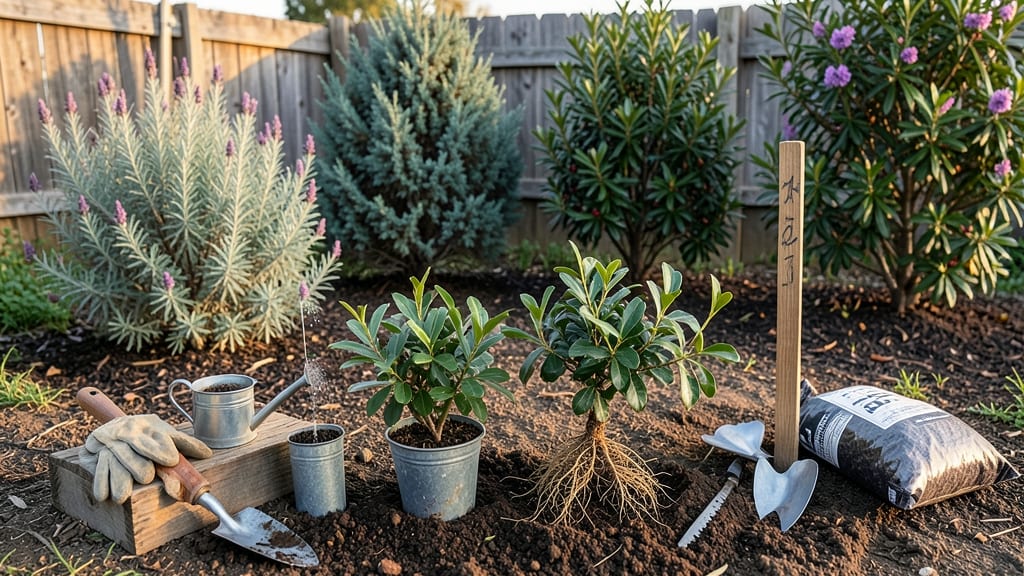
Timing your bush planting in Texas right can mean the difference between a thriving landscape and a sad, wilted investment.
With frost dates that shift dramatically from the Panhandle to the Gulf Coast, there’s no one-size-fits-all answer—but getting it wrong could leave your 🌿 shrubs struggling in the heat or freezing before they take root.
Fall and early spring are the golden windows for most Texas shrubs, but even then, your county’s microclimate dictates the exact moment to dig in. In North Texas, where frosts linger into March, waiting until after February 15 gives young plants a fighting chance.
Meanwhile, in the Rio Grande Valley, where temperatures rarely dip below freezing, you might plant year-round—but summer’s scorching sun demands extra care.
This guide breaks down the perfect planting windows by region, so you can avoid common pitfalls like transplant shock or stunted growth.
We’ll also cover soil prep, watering hacks for Texas heat, and which shrubs thrive in your specific zone—whether you’re in the Hill Country’s rocky soil or the Gulf Coast’s humid embrace.
Ready to turn your yard into a lush, low-maintenance oasis? Let’s get those shrubs in the ground at the right time—and keep them happy all year long.
Texas bush planting zones: frost dates by county for optimal success
Texas spans USDA Hardiness Zones 7b through 10b, meaning frost dates can vary by over 3 months from the Panhandle to the Rio Grande Valley.
In North Texas (e.g., Amarillo, Lubbock), the last frost typically hits around March 15, while South Texas (Houston, San Antonio) sees frost-free winters with only occasional chilly dips in December or January.
This diversity means your best planting window depends entirely on where you live—and we’ll break it down by region.
For most Texas-native shrubs like yaupon holly, Texas sage, or crape myrtle, the ideal planting window is either early spring (after last frost) or fall (6–8 weeks before first frost). Fall planting is often preferred because cooler temps and consistent rainfall help roots establish before summer’s heat arrives.
But if you’re in Zone 9a or higher (South Texas), you can plant year-round with minimal frost risk.
Pro Tip: Use the Texas A&M AgriLife Extension frost date calculator to pinpoint your exact last frost date—it’s the key to avoiding frost damage. For example, Dallas (Zone 8a) has a last frost around March 1, while El Paso (Zone 8b) waits until March 15. Timing your planting just 2–4 weeks after these dates gives your bushes a head start.
If you’re planting delicate shrubs like azaleas or camellias, stick to fall planting—they thrive in cooler temps and establish roots before summer’s heat. For heat-lovers like Turk’s cap or crape myrtle, spring planting (after last frost) gives them time to root deeply before the 100°F+ summers hit.
And in South Texas, where frost is rare, you can plant almost anytime, but avoid extreme heat (June–August) to reduce transplant shock.
For container-grown bushes, timing is even more critical. Since potted plants have limited root zones, they dry out faster in Texas heat. Plant them 2–4 weeks earlier than in-ground bushes to give roots time to acclimate and spread.
Water deeply every 3–5 days for the first month to help them transition from pots to soil.
One common mistake Texas gardeners make? Planting too late in spring (May–June) and watching their bushes wilting under summer heat before roots establish. The 60-day rule applies: Your bushes need at least 60 days of consistent moisture before summer’s drought conditions kick in. Plan accordingly!
For urban gardeners in cities like Dallas or Houston, heat islands can push frost dates 1–2 weeks later than rural areas. Check local weather stations or AgriLife Extension reports
Best bushes to plant in Texas by season: heat-tolerant vs. cold-hardy varieties
Choosing the right bushes for Texas means matching your plants to the season—and your local climate. While fall and early spring are ideal for most shrubs, some varieties thrive year-round in the Gulf Coast’s warmth, while others need North Texas’s cooler winters to survive.
Let’s break down the best options for each planting window, so you can pick heat-tolerant or cold-hardy shrubs that’ll flourish in your yard.
For spring planting (February–April), focus on shrubs that establish roots quickly before summer’s heat sets in. Crape myrtles and Texas sage are top picks—they handle Texas’s brutal summers once established.
Meanwhile, fall planting (September–November) gives shrubs time to root before winter, making yaupon holly and possumhaw excellent choices for North Texas gardeners.
🌿 Heat-tolerant bushes for summer or year-round planting in South Texas include:
Thrives in 100°F+ heat; drought-resistant; attracts hummingbirds
Tolerates salt spray (great for coastal areas); evergreen; wildlife-friendly
Drought-proof; fast-growing; vibrant blooms year-round
If you’re in North or Central Texas, prioritize cold-hardy shrubs like yaupon holly or Texas mountain laurel. These varieties handle frosts down to 10°F and even thrive in USDA Zone 7b.
For fall planting, azaleas and camellias (in milder zones) add winter color, while evergreen sumacs provide year-round structure with minimal care.
🌱 Cold-hardy bushes for fall or early spring planting:
Evergreen; drought-tolerant; berries for birds; handles 10°F frosts
Fragrant purple blooms in spring; drought-resistant; thrives in alkaline soil
Native; wildlife magnet (berries for birds); handles drought and heat
Pro tip: Container gardening extends your options for urban areas or rental homes. Dwarf varieties like Dwarf Yaupon Holly or Miniature Crape My