
Plants
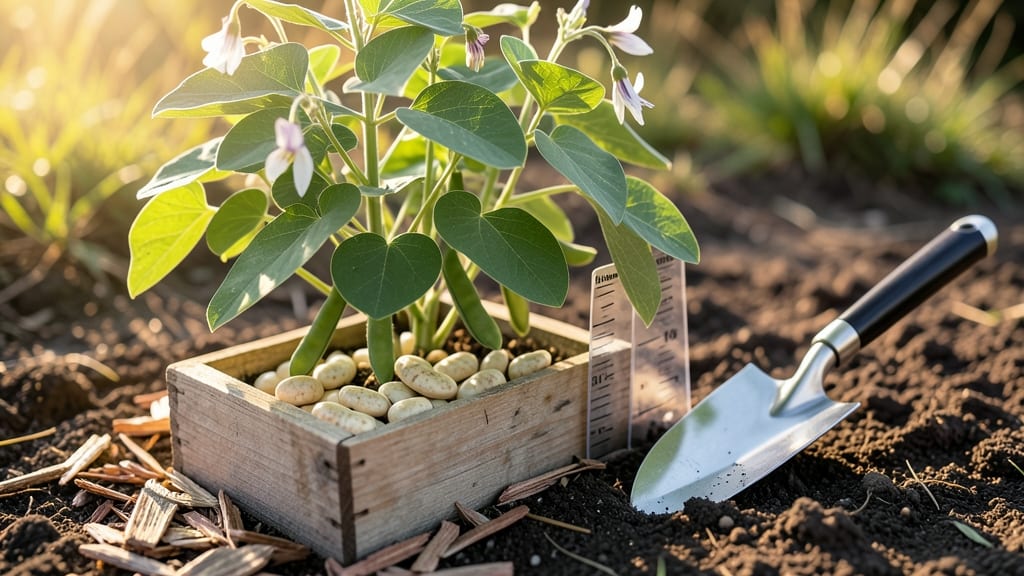
Timing matters more than you think when planting butter beans 🌱—get it wrong in North Carolina, and you might end up with wilted vines instead of crisp, flavorful pods.
The April 15 to June 15 window is your sweet spot, but local microclimates in zones 6b-8a can shift that by weeks.
Why does this matter? Butter beans need 60°F soil to sprout and thrive, and planting too early risks frost damage while waiting too long cuts your harvest short.
I’ll break down the exact dates for Coastal, Piedmont, and Mountain regions so you can align your schedule with NC’s unpredictable spring weather.
Beyond dates, we’ll cover soil prep tricks—like adding compost to improve drainage—and how to stretch your growing season with succession planting. Whether you’re a first-time gardener or a seasoned pro, these tips will help you avoid common mistakes and enjoy fresh butter beans from July through September.
Ready to grow a garden full of these versatile legumes? Let’s dive into the strategies that actually work for NC’s climate, so you can enjoy a harvest that’s both abundant and delicious.
Best planting dates for butter beans in NC by region
North Carolina’s diverse climate means butter beans thrive best when planted at the right time in your specific region. Whether you’re in the Coastal Plains, Piedmont, or Mountains, timing is everything to avoid frost damage or stunted growth.
Butter beans need warm soil (60°F+) and frost-free conditions to germinate properly, so let’s break it down by zone.
For Coastal NC (USDA Zone 8a), the last frost typically occurs around March 15, but soil may not warm enough until April 15. This is your sweet spot for planting Kentucky Wonder or Contender varieties.
In the Piedmont (Zone 7b), wait until April 30—soil warms slower here, and early planting risks cold snaps. Mountain regions (Zone 6b) should hold off until May 15 to ensure safety.
🌱 Butter Bean Planting Timeline for NC Regions
| Region | Last Frost Date | Ideal Planting Window | Soil Temp Requirement | Harvest Window |
|---|---|---|---|---|
| Coastal Plains (Zone 8a) | March 15 | April 15 – May 15 | 60°F+ | July – September |
| Piedmont (Zone 7b) | April 1 | April 30 – May 30 | 60°F+ | July – October |
| Mountains (Zone 6b) | May 1 | May 15 – June 15 | 65°F+ | August – September |
*Harvest windows extend based on variety and growing conditions.
If you’re growing heirloom butter beans like ‘Scarlet Runner’, note that these take 90-100 days to mature. Plant them on the earlier end of your region’s window to ensure a full harvest before fall frost.
For faster-maturing varieties like ‘Contender’ (70-80 days), you can even squeeze in a late summer planting (June) for a fall crop in Coastal NC.
Pro tip: Use a soil thermometer to confirm soil temps. Butter beans won’t germinate well below 60°F, even if air temps feel warm. If your soil is still cold, consider black plastic mulch to warm it up faster—this is especially helpful in the Mountains where nights stay chilly longer.
For transplants (not direct sowing), start seeds indoors 4-6 weeks before your region’s last frost date. Harden off seedlings for 7-10 days before transplanting, and choose overcast days to reduce transplant shock.
Coastal gardeners can often get away with direct sowing, but Piedmont and Mountain growers may prefer transplants for a head start.
One common mistake? Planting too close to summer’s peak heat. In Zone 8a, July plantings may struggle with 90°F+ temps and poor pod development. Aim for spring plantings and, if possible, use shade cloth during extreme heat waves to protect young plants.
Remember: Butter beans love heat but hate frost. Plan your harvest to finish before the first frost (typically November 15 in Coastal NC, earlier in the Mountains). If you’re in Zone 7b or 6b, consider row covers to extend your season by a few weeks.
For a second harvest, try succession planting every 2-3 weeks after your initial planting. This ensures a steady supply of fresh pods throughout the summer. Just be sure to stagger plantings so you’re not overwhelmed with all pods maturing at once.
🌱
How to adjust planting for NC’s microclimates and soil types
North Carolina’s diverse geography means your butter bean planting schedule should shift based on whether you’re in the humid Coastal Plain, the rolling Piedmont hills, or the cooler Mountain regions.
Even within these zones, microclimates—like urban heat islands or sheltered valleys—can push your planting window by 1-2 weeks earlier or later.
For example, gardeners in Coastal NC (Zone 8a) can start sowing seeds as early as March 20 in protected microclimates, while those in the Mountains (Zone 6b) should wait until May 1 to avoid late frosts.
Always check your local USDA Plant Hardiness Zone and track soil temperatures with a thermometer—aim for 60°F+ for reliable germination.
Soil type is another game-changer. Butter beans prefer well-draining, slightly acidic soil (pH 6.0-7.0), but NC’s clay-heavy soils in the Piedmont or sandy Coastal soils can stall growth. Amend your soil with 2-3 inches of compost or aged manure 4-6 weeks before planting to improve structure and fertility.
If your soil tests too acidic (pH below 6.0), add lime in the fall to adjust it before spring planting.
Butter beans rot in cold, soggy soil (below 55°F). If your area experiences unpredictable spring rains, delay planting until the ground warms and excess moisture drains. Raised beds or mounded soil can help in these conditions by improving warmth and aeration.
If you’re gardening in urban areas or near large buildings, heat from pavement and walls can create microclimates 5-10°F warmer than rural zones. Use this to your advantage by planting 1-2 weeks earlier in these spots.
Conversely, high-elevation gardens in the Blue Ridge Mountains may need to wait until after Memorial Day to ensure frost-free growth.
For container gardening in NC, choose large pots (12+ inches deep) with drainage holes and fill them with a 50/50 mix of potting soil and compost. Containers warm up faster than ground soil, so you can plant 2-3 weeks earlier than in-ground gardens.
Just be prepared to move pots indoors if a late frost threatens.
Finally, monitor your garden’s moisture levels closely after planting. NC’s summer heat can dry out soil quickly, but butter beans hate fluctuating moisture. Mulch with straw or shredded leaves to retain humidity and prevent soil crusting, which can suffocate young seedlings.
With these adjustments, you’ll give your butter beans the perfect start—no matter where you garden in the Tar Heel State.