
Plants
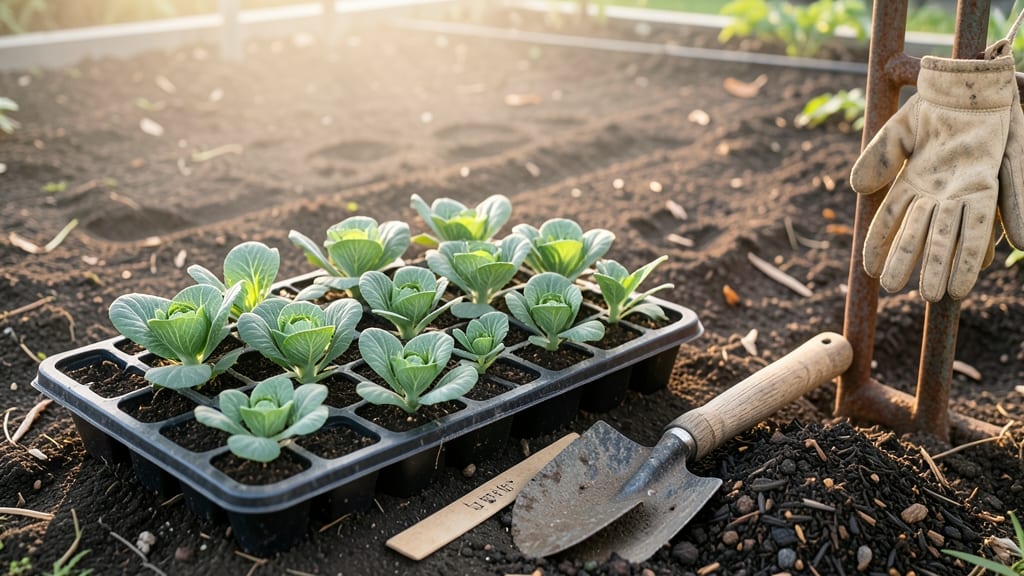
Timing your 🥬 cabbage planting in California makes all the difference between a bountiful harvest and wasted effort. Whether you're in coastal USDA Zone 9b or inland Zone 10a, getting the schedule right means avoiding summer bolting or winter frost damage—both common pitfalls for new gardeners.
Most California gardeners know spring and fall are the prime windows, but the exact planting dates vary wildly depending on your microclimate. Coastal areas can start as early as February, while inland regions often wait until September to avoid extreme heat.
I'll break down the precise timing so you can match your variety to your local conditions.
You'll also discover which cabbage varieties thrive in California's unique climate—some handle summer heat better than others—and how to extend your growing season with simple tricks like row covers. No more guessing whether your 🥬 cabbage will survive the heat or bolt before harvest time.
Let's dive into the exact planting calendar, soil prep secrets, and variety recommendations that will give you crisp, homegrown heads all year. Your garden—and your taste buds—will thank you.
California cabbage planting calendar: coastal vs inland timing explained
California’s diverse microclimates make cabbage planting a balancing act between coastal chill and inland heat. Unlike northern states, most of California avoids frost, but summer heat (above 75°F soil temps) triggers bolting—the enemy of perfect heads. Let’s break down the ideal planting windows for your region.
For coastal areas (San Francisco, Santa Barbara), mild winters mean you can plant year-round with adjustments. Inland zones (Sacramento, Bakersfield) demand earlier fall or later spring starts to avoid heat stress. The key? Soil temperature—cabbage thrives when it’s below 75°F.
🌱 Coastal Cabbage Planting Schedule
| Season | Coastal Planting Window | Inland Planting Window | Soil Temp Goal | Notes |
|---|---|---|---|---|
| Fall | September 15–October 15 | August 1–September 15 | 55–70°F | Harvest Dec–March |
| Spring | February 15–March 15 | January 15–February 15 | 55–65°F | Harvest April–June |
| Summer (Risky) | June (shade cloth only) | Avoid | N/A | Bolting likely; use heat-tolerant varieties |
| Winter | November–December (light frost risk) | October–November | 50–60°F | Use row covers for protection |
Notice how inland zones shift 2–4 weeks earlier than coastal areas? That’s because inland regions heat up faster. For example, Sacramento’s August soil can hit 85°F—perfect for bolting, but ideal for fall broccoli instead.
Pro tip: Use a soil thermometer to confirm temps. Cabbage seeds need 40–50°F soil to germinate, while transplants prefer 55–65°F. If your soil runs hotter, opt for transplants over direct sowing to skip the risky germination phase.
For coastal gardeners, late summer (August) can work if you use shade cloth (30–50%) and drip irrigation to keep leaves cool. Inland growers should avoid summer plantings entirely unless using heat-tolerant varieties like ‘Cavalo’ or ‘Golden Acre’.
🌡️ Key Temperature Rules:
- Below 50°F: Growth slows; use row covers.
- 50–70°F: Ideal for head formation.
- Above 75°F: Bolting risk increases by 50%.
California’s USDA Zones 8–10 mean frost is rare, but microclimates still matter. For instance, San Diego’s coastal fog keeps soil cooler than Los Angeles’ inland valleys. Always check your local frost-free dates (via CDFA maps) and adjust by 4–6 weeks for transplants.
Want to extend your season? Try succession planting: Sow new seeds every 2 weeks from September to November for a continuous harvest through spring. Just remember—no summer plantings unless you’re prepared for bolting headaches.
🌱 Quick Reference:
- Coastal: Plant Sept–Oct (fall) or Feb–Mar (spring).
- Inland: Plant Aug–Sept (fall) or Jan–Feb (spring).
- Always avoid June–August unless using shade and heat-tolerant varieties.
California cabbage planting calendar: coastal vs inland timing explained
California's diverse climate means your cabbage planting dates depend entirely on whether you're in coastal zones (like San Francisco) or inland valleys (like the Central Valley). Coastal areas enjoy milder winters, while inland regions face intense summer heat that can make 🥬 cabbage bolt prematurely.
Getting these dates wrong often leads to wasted seedlings or bitter-tasting heads.
For coastal California (USDA Zones 9b-10a), your best planting windows are February through March for spring harvests and September through October for fall crops. Inland areas should delay spring planting until March-April and focus on September-October for fall planting to avoid summer's extreme heat.
Here's a quick comparison to help you visualize the key differences between coastal and inland planting schedules:
| Planting Window | Coastal (Zone 9b-10a) | Inland (Zone 10a) | Key Considerations |
|---|---|---|---|
| Spring Planting | Feb 15 - Mar 15 | Mar 1 - Apr 15 | Coastal areas avoid frost; inland waits for soil to cool below 75°F |
| Fall Planting | Sep 1 - Oct 15 | Aug 15 - Sep 30 | Inland plants earlier to finish before summer heat returns |
| Transplanting | Mar 1 - Apr 15 | Apr 1 - May 15 | Coastal can start earlier; inland avoids transplant shock in heat |
| Harvest Window | May-Jun & Oct-Nov | Jun-Jul & Sep-Oct | Inland harvests shift later to avoid summer bolting |
| Soil Temp Ideal | 55-65°F | 55-65°F (cooler nights needed) | Both need consistent moisture; drought causes bolting |
Notice how inland gardeners have a narrower window for spring planting because summer heat arrives earlier.
The key is planting 4-6 weeks before your first cool spell—typically when nighttime temperatures stay below 70°F. For coastal areas, this often means starting in February, while inland gardeners should wait until March or April.
Pro tip: Use USDA Plant Hardiness Zone Map to pinpoint your exact location. Most of coastal California falls in Zone 9b-10a, while inland valleys are typically Zone 10a. High desert areas like the Sierra foothills may experience occasional frost, requiring even earlier fall plantings.
Remember that cabbage varieties also play a role. Heat-tolerant varieties like 'Golden Acre' or 'Crimson Delight' perform better in inland areas, while cold-hardy types like 'January King' thrive in coastal regions. We'll cover variety selection in the next section.