
Plants
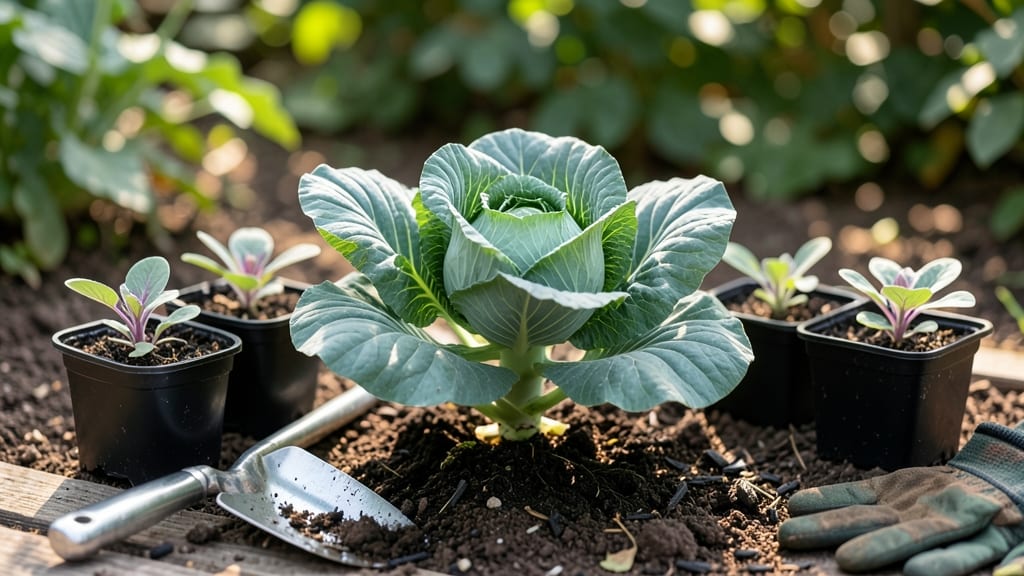
Planting cabbage in North Carolina isn’t just about tossing seeds into the dirt—it’s about timing your 🥬 to avoid the pitfalls of NC’s unpredictable heat and frost. Get it wrong, and you’ll end up with bitter heads or bolted plants before they’re ready.
The key? Planting in March-April for spring or August-September for fall, when temperatures cooperate and your cabbage has the best shot at thriving.
NC’s 7a-8b zones mean your coastal, Piedmont, or mountain garden faces different challenges—like avoiding summer’s scorching heat or late-spring frosts that can stall growth. Heat-tolerant varieties like ‘Cavalo’ or ‘Golden Acre’ are your secret weapon, designed to handle NC’s summer swelter without sacrificing flavor or size.
But even the toughest cabbage needs a little help to beat the odds.
Here’s what you’ll discover: the exact planting windows for your region, how to prep soil for maximum success, and 3 critical mistakes that derail NC gardeners’ harvests every year.
Whether you’re a first-timer or a seasoned grower, these tips will ensure your cabbage heads stay firm, sweet, and ready to pick at the perfect moment.
Ready to turn your garden into a cabbage powerhouse? Let’s dive into the step-by-step schedule that’ll have you harvesting crisp, homegrown 🥬 from June through November—no guesswork required.
North Carolina cabbage planting calendar by region (Coastal, Piedmont, Mountains)
North Carolina’s three distinct regions—Coastal, Piedmont, and Mountains—each have unique frost dates and heat patterns that dictate the best time to plant cabbage. Coastal areas like Wilmington experience milder winters, while the mountains (like Asheville) face earlier frosts.
Understanding your zone ensures your cabbage thrives, whether you’re aiming for a spring harvest or a fall crop.
For spring planting, start seeds indoors 4-6 weeks before your last frost date—typically mid-February to early March for Coastal, late February to March for Piedmont, and March to early April for the Mountains.
Transplant seedlings outdoors after soil warms to 50°F+, usually March-April in Coastal areas and April-May in the Mountains.
Fall planting is trickier but rewarding. Begin seeds indoors in August for a fall harvest before frost. Transplant seedlings outdoors in late August to early September, giving them 70-90 days to mature before the first frost (typically mid-November).
In the Mountains, rush your fall crop by planting in July-August for an earlier harvest.
Here’s a breakdown of planting windows tailored to NC’s microclimates, including heat-tolerant varieties that survive summer’s 90°F+ temperatures:
| Region | Last Frost Date | Spring Planting Window | Fall Planting Window | Heat-Tolerant Variety | Harvest Time |
|---|---|---|---|---|---|
| Coastal (e.g., Wilmington) | Mid-March | Mid-Feb to early Mar (indoors), Mar-Apr (outdoors) | Late Aug to early Sep (outdoors) | ‘Cavalo’ (75 days) | June-July (spring), Oct-Nov (fall) |
| Piedmont (e.g., Raleigh) | Late March | Late Feb to Mar (indoors), Apr (outdoors) | Early Aug to Sep (outdoors) | ‘Golden Acre’ (60 days) | May-June (spring), Sep-Oct (fall) |
| Mountains (e.g., Asheville) | Early April | Mar to early Apr (indoors), Apr-May (outdoors) | July-Aug (outdoors) | ‘Tendercrunch’ (58 days) | June-July (spring), Sep (fall) |
Pro tip: Use shade cloth (30-50%) for summer plantings to protect seedlings from 90°F+ heat, which can cause bolting. In the Mountains, extend your growing season with row covers to shield plants from late frosts.
For Coastal gardeners, succession planting every 2 weeks in spring ensures a continuous harvest. In the Piedmont, focus on fall crops to avoid summer’s oppressive heat. The Mountains’ shorter season favors early spring and late summer plantings.
Always check your local NC State Extension office for precise frost dates, as microclimates (like urban heat islands) can shift planting windows by 1-2 weeks. For example, Charlotte’s urban areas may be 1-2°F warmer than rural Piedmont, delaying frost.
Heat-tolerant varieties like ‘Cavalo’ and ‘Golden Acre’ are bred to handle NC’s summer heat, but even they struggle when temperatures exceed 95°F. Pair them with mulch to keep roots cool and water deeply in the early morning to reduce evaporation.
If you’re new to cabbage growing, start with ‘Golden Acre’—it matures in just 60 days and handles NC’s humidity well. For a longer storage life, choose ‘Cavalo,’ which stores for up to 3 months in a cool, dark place.
🌱
Heat-tolerant cabbage varieties for North Carolina’s summer planting
If you’ve ever planted cabbage in North Carolina’s summer heat, you know the struggle: seedlings wilt, heads bolt, and your hard work turns bitter. But the right heat-tolerant varieties can turn this challenge into a victory.
Varieties like ‘Cavalo’ and ‘Golden Acre’ are bred to handle 90°F+ temperatures without sacrificing flavor or size. These aren’t just any cabbages—they’re your secret weapon for a summer harvest in NC’s toughest growing conditions.
For coastal areas like Wilmington, where humidity lingers, look for loose-leaf varieties like ‘Red Express’—they mature faster and tolerate heat better than traditional headed cabbages. In the Piedmont’s hotter inland zones (Raleigh, Greensboro), ‘Cavalo’ shines with its thick, heat-resistant leaves and ability to form heads even when temperatures climb.
Meanwhile, mountain gardeners in Asheville can grow ‘Golden Acre’ with its golden hue and slower bolting in late-summer heat.
Here’s the game-changer: these varieties thrive when planted in late July or early August, giving them time to establish roots before the hottest stretch of NC summers. Pair them with shade cloth (30-50%) during peak afternoon heat, and you’ll extend their growing season by 2-3 weeks.
Pro tip: Succession plant every 2 weeks from August through September for a continuous harvest.
🥬 Heat-Tolerant Cabbage Varieties for NC
| Variety | Days to Maturity | Best For | Heat Tolerance |
|---|---|---|---|
| Cavalo | 70-80 days | Piedmont, Mountains | Excellent (90°F+) |
| Golden Acre | 65-75 days | Coastal, Piedmont | Very Good (85°F+) |
| Red Express | 50-60 days | Coastal, Containers | Good (80°F+) |
| Tendercrisp | 60-70 days | All Regions | Good (85°F+) |
| Early Jersey Wakefield | 60-70 days | Mountains, Early Planting | Moderate (80°F) |
💡 Pro Tip: Pair these varieties with mulch to retain soil moisture and drip irrigation to avoid wilted leaves during heatwaves.
Don’t overlook soil preparation—these heat-tolerant varieties still need rich, well-draining soil with a pH of 6.5-7.0. Amend your beds with compost or aged manure before planting to give roots a nutrient boost.
In containers, use a lightweight potting mix with added perlite to prevent compaction in NC’s summer downpours.
For a foolproof summer harvest, time your planting with NC’s average first frost date (November 15) in mind. Aim to harvest before temperatures drop below 50°F at night, or your cabbage heads may develop a bitter taste.
With the right variety and care, you’ll enjoy crisp, homegrown cabbage from September through October—just in time for your favorite fall recipes.
Ready to beat the heat? Grab your shade cloth and these varieties, and you’ll be feasting on summer cabbage in no time. 🌱