
Plants
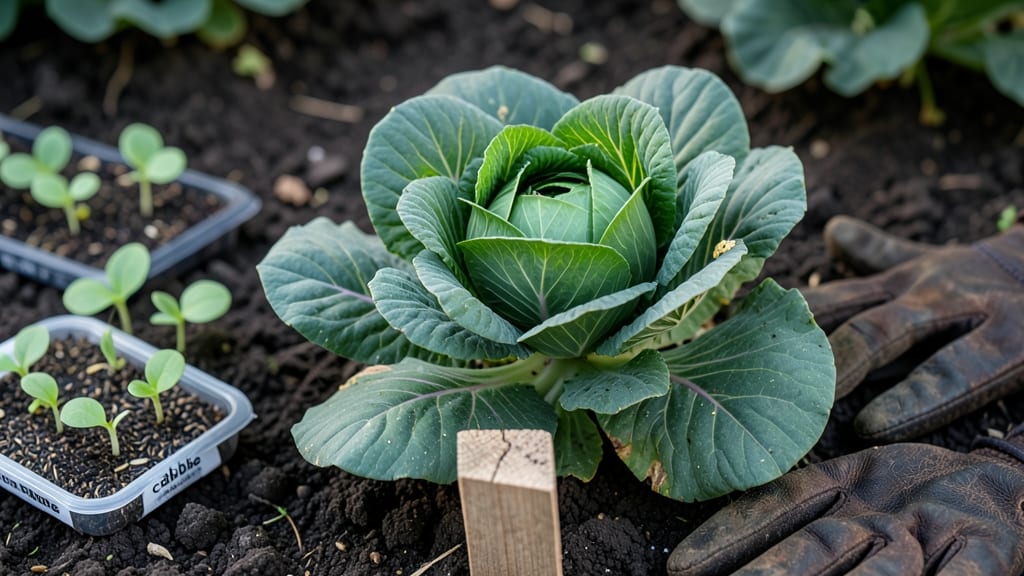
Timing your cabbage planting in Kentucky isn’t just about following a calendar—it’s about working with the state’s unpredictable weather swings. One week too early or late, and you could end up with stunted plants or bolting heads before harvest.
The key? Understanding Kentucky’s unique climate zones and when the soil actually warms up enough for those little 🌱 seedlings to thrive.
Most gardeners in Kentucky plant cabbage in early spring or late summer, but the exact timing depends on where you live.
In the Bluegrass region, you might start seeds indoors by March for a spring crop, while those in the Appalachian foothills may need to wait until April when frost risks drop. The goal? Get those plants in the ground when daytime temperatures hit 50°F and stay there.
What sets Kentucky apart is its microclimates—humid summers in the west can push planting windows later, while cooler mountain areas might need earlier starts.
I’ll break down the exact months that work best for your specific corner of the state, plus how to adjust if you want a fall harvest too. No more guessing games—just a clear roadmap to cabbage success.
Ready to grow heads of cabbage that are tight, sweet, and ready by summer? Let’s dive into the planting schedule that actually fits Kentucky’s quirks, so you can enjoy fresh harvests all season long.
The first step? Knowing when to put those seeds in the soil—and why timing matters more than you think.
Best planting months for cabbage in Kentucky: a climate-specific guide
Kentucky’s USDA zones 6-7 create a perfect window for growing cabbage, but timing is critical. The state’s average last frost date (around mid-April) and first frost date (typically mid-October) define your planting schedule.
For spring cabbage, aim for early planting, while fall cabbage thrives with late-season starts.
Cabbage is a cool-season crop, meaning it prefers mild temperatures between 50°F and 75°F. Planting too early in cold soil or too late in sweltering heat can stunt growth or invite pests. Kentucky’s humidity and variable weather also demand careful planning to avoid bolting (premature flowering) or disease.
Here’s the golden rule for Kentucky gardeners: Spring cabbage should hit the soil 4-6 weeks before your last frost, while fall cabbage needs 80-90 days to mature before the first frost. Let’s break down the exact months and strategies for success.
| Planting Window | Ideal Months | Soil Temp | Days to Harvest | Notes |
|---|---|---|---|---|
| Spring Cabbage | March 15 - April 15 | 45°F - 55°F | 75 - 90 days | Direct sow or transplant seedlings; avoid bolting with shade cloth if needed. |
| Early Summer Cabbage | May 1 - June 1 | 55°F - 65°F | 60 - 75 days | Choose heat-tolerant varieties like 'Golden Acre' for summer planting. |
| Fall Cabbage | July 15 - August 15 | 60°F - 70°F | 80 - 90 days | Transplant seedlings; use row covers to extend harvest into October. |
| Late Fall Cabbage | August 20 - September 10 | 50°F - 60°F | 60 - 75 days | Fast-maturing varieties only; protect from early frosts with mulch. |
🌱 Pro Tip: Always test soil temperature with a thermometer—cold soil delays germination.
For spring cabbage, start seeds indoors 6-8 weeks before your last frost date to give them a head start. In Kentucky, this typically means late February to early March.
Harden off seedlings for 7-10 days before transplanting into the garden when soil reaches at least 45°F. Use black plastic mulch to warm the soil faster if needed.
If you’re planting fall cabbage, focus on July and August for the best results. Seedlings should be 4-6 weeks old when transplanted, giving them enough time to mature before frost.
In northern Kentucky (closer to USDA zone 6), aim for early August plantings, while southern Kentucky (zone 7) can extend to mid-August.
One common mistake Kentucky gardeners make is planting cabbage too late in spring, which leads to bolting (premature flowering) as temperatures rise. To avoid this, use shade cloth during hot afternoons or choose heat-tolerant varieties like 'Crimson Globe' or 'Badger Shipper'.
For fall crops, watch for cabbage worms and use row covers to protect young plants.
Soil preparation is just as critical as timing. Cabbage thrives in well-draining, slightly acidic soil (pH 6.0-7.0). Work in 2-3 inches of compost before planting and keep the soil consistently moist but not waterlogged.
A mulch layer helps retain moisture and suppress weeds, which is especially helpful in Kentucky’s humid summers.
To maximize your harvest, consider succession planting. Sow spring cabbage every 2 weeks from March to May for a staggered harvest. For fall cabbage, make two plantings: one in early July and another in mid-August.
This ensures you have cabbage ready to harvest from late summer through October.
Remember, Kentucky’s microclimates can vary dramatically—even within 50 miles. If you’re in a high-altitude area (like the Appalachian foothills), plant 2 weeks later than the recommended dates. Conversely, lowland areas (like the Bluegrass region) may need earlier plantings to avoid heat stress.
Best planting months for cabbage in Kentucky: a climate-specific guide
Kentucky’s USDA zones 6-7 create a tricky balance for cabbage growers. The state’s last spring frost typically arrives between March 15 and April 15, depending on your location, while the first fall frost hits anywhere from October 15 to November 15.
These dates are your planting anchors—but they’re not the whole story.
For spring cabbage, the ideal window is March through April, with seeds started indoors by February for a head start. In northern Kentucky, wait until late March to avoid frost damage, while southern regions can plant as early as mid-March.
The goal is to transplant seedlings when soil temperatures hit 50°F consistently.
For fall cabbage, aim for July through August plantings. This gives heads enough time to mature before winter sets in. Late August starts work best in cooler mountain areas, while lower elevations can push into early September.
Just remember: cabbage needs 60-90 days to harvest, so don’t plant too late!
🌱 Kentucky Cabbage Planting Timeline
| Season | Planting Window | Soil Temp Requirement | Days to Harvest |
|---|---|---|---|
| Spring | March-April | 50°F+ | 60-90 days |
| Fall | July-August | 55°F+ | 60-80 days |
| Pro Tip | Start seeds indoors 4-6 weeks before last frost for spring; transplant seedlings at 4-6 weeks old | ||
One common mistake Kentucky gardeners make is planting too early. If you put seeds in the ground when soil temps are still cool (below 45°F), germination slows dramatically. For faster results, use black plastic mulch to warm the soil 2-3 weeks earlier than usual.
For extended harvests, try succession planting: sow new seeds every 2-3 weeks during your planting window. This ensures a steady supply of fresh cabbage from summer through fall.
Just be sure to choose varieties suited to your season—early maturing types like 'Golden Acre' work well for spring, while heat-tolerant varieties like 'Cavalo' excel in summer plantings.
Remember: Kentucky’s humidity levels can stress cabbage plants, so always plant in well-draining soil and space heads 18-24 inches apart for airflow. With these timing tips, you’ll be enjoying homegrown cabbage that’s crisp, flavorful, and ready at the perfect moment! 🌿