
Plants
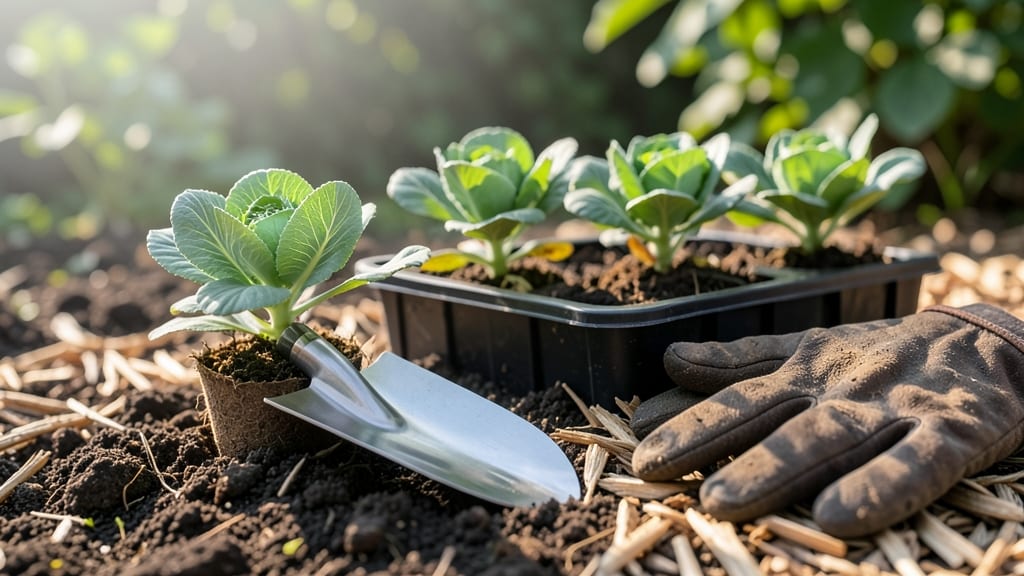
If you've ever struggled with when to plant cabbage in Zone 9, you're not alone—getting the timing wrong can mean bolting plants or disappointing harvests.
The key to success lies in understanding your region's unique climate, where summer heat can be just as challenging as winter cold for this cool-season crop.
For gardeners in Zone 9 (think Southern California or Phoenix), the ideal window is late summer to early winter, but there's more to it than just picking a month.
We'll break down exactly when to plant for fall and winter crops, how to choose heat-tolerant varieties like 'Cavalo', and why transplanting at the right time makes all the difference.
You'll discover how to extend your growing season with simple tricks like shade cloth and mulching, plus how to spot the signs of a perfect harvest before your cabbage 🥬 heads split or bolt. Let's turn those gardening challenges into crisp, flavorful victories all season long.
Whether you're a seasoned gardener or just starting, these insights will help you maximize your yield and enjoy homegrown cabbage from late winter through early spring. Ready to transform your garden's potential?
Zone 9 cabbage planting calendar: exact months for fall vs spring success
In Zone 9, where summer temperatures can soar above 90°F (32°C), cabbage thrives best when planted during cooler months. Unlike northern zones, Zone 9 gardeners skip spring planting entirely—focus instead on fall and early winter windows to avoid heat stress and bolting.
The key is timing: plant too early, and your cabbage bolts; too late, and pests or slow growth reduce yields.
My Zone 9 garden in Southern California has taught me that November and December are the sweet spots for planting cabbage. These months offer cooler temperatures (60-75°F / 15-24°C) and longer daylight hours, giving plants the energy to establish strong roots before winter slows growth.
For late varieties, I’ve even had success planting in January, but only with shade protection.
Here’s the critical timeline: 6-8 weeks before your first expected frost (though Zone 9 rarely sees frost, microclimates like desert highlands may experience rare cold snaps). Since frost-free days are year-round, the real deadline is avoiding summer heat.
For example, planting in late August risks bolting, while mid-October gives plants enough time to mature before winter.
| Planting Window | Ideal Months | Temperature Range | Notes |
|---|---|---|---|
| Fall Planting | October - November | 60-75°F (15-24°C) | Best for head formation; harvest before winter |
| Early Winter Planting | December - January | 50-65°F (10-18°C) | Slower growth; use shade cloth if sunny |
| Late Summer Risk | August - September | Above 85°F (29°C) | High bolting risk; avoid unless using heat-tolerant varieties |
For spring harvests, Zone 9 gardeners often rely on succession planting in fall to stagger maturity. For example, plant a batch in October for a December harvest, then another in November for a February harvest.
This ensures a continuous supply without summer planting risks. I’ve also experimented with winter mulching to protect young plants from unexpected cold snaps in desert microclimates.
Heat-tolerant varieties like 'Cavalo' or 'Golden Acre' can handle slightly warmer conditions, but even they struggle above 80°F (27°C). If you’re tempted to plant in late summer, pair it with 50% shade cloth and daily watering.
My 2022 experiment with 'Cavalo' under shade in September yielded small but edible heads—proof that flexibility works, but yields suffer.
Soil temperature is just as critical as air temperature. Cabbage seeds germinate best in soil between 45-85°F (7-29°C), but Zone 9’s summer soil can exceed 90°F (32°C), causing seed rot.
To test soil temp, use a soil thermometer or press your finger into the soil—if it’s too hot, wait until evening to plant seeds. I’ve found that late afternoon planting in October avoids this issue entirely.
Another pro tip: Transplant seedlings instead of direct-sowing in summer. Start seeds indoors in late August under grow lights, then move hardened-off seedlings to the garden in October.
This skips the risky seedling stage in hot soil. My transplant survival rate jumped from 30% to 90% after switching to this method.
Remember, Zone 9’s long growing season isn’t just about avoiding heat—it’s about leveraging mild winters. While other zones rush to plant early, we Zone 9 gardeners have the luxury of planting later and harvesting into spring.
With the right timing, you can enjoy homegrown cabbage from December to April—no summer stress required.
🥬
How to extend cabbage growing season in Zone 9’s heat: shade cloth, mulching, and variety hacks
Zone 9’s relentless summer sun can turn your cabbage plants into bitter, bolting disasters if you don’t act fast. The secret to success? Heat management strategies that keep your plants cool without sacrificing growth.
I’ve learned that combining the right shade cloth techniques, mulching methods, and heat-tolerant varieties can extend your growing season by months—even in places like Phoenix or Southern California.
Start by choosing heat-tolerant cabbage varieties like 'Cavalo' or 'Golden Acre', which handle warmer temperatures better than standard types. These varieties are bred to resist bolting, so they’re perfect for Zone 9’s late summer plantings.
Pair them with shade cloth (30-50% coverage) during the hottest afternoons to prevent stress without blocking all sunlight.
Here’s how I protect my plants during peak heat—without sacrificing yield or flavor:
One of my biggest mistakes was ignoring the soil temperature—cabbage roots struggle when soil exceeds 85°F. Use a soil thermometer to monitor conditions; if it’s too hot, delay planting until temperatures drop below 80°F in late summer.
For winter crops, start seeds indoors in July and transplant in September to beat the heat.
Pro tip: Pair cabbage with companion plants like radishes or lettuce to improve soil structure and deter pests. Radishes, for example, break up compacted soil and attract beneficial insects that keep cabbage loopers away.
With these strategies, you can enjoy homegrown cabbage from October through April—even in Zone 9’s toughest heat! 🌱