
Plants
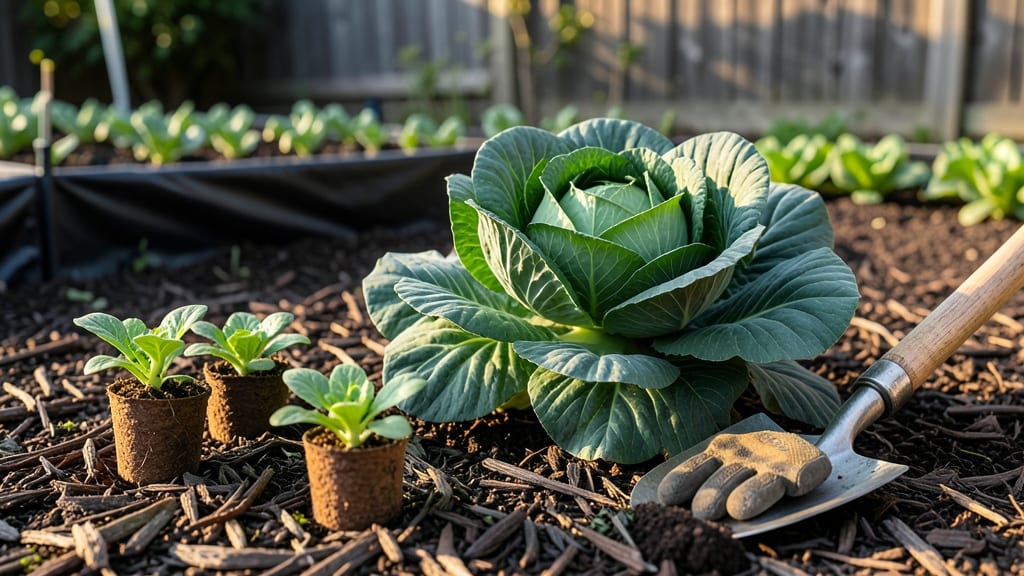
Timing your 🥬 cabbage planting in Georgia isn’t just about following a calendar—it’s about outsmarting the heat and humidity that can turn your crop into bitter, bolted greens faster than you can say "southern summer."
With USDA Zones 7b-8b bringing unpredictable swings between mild winters and scorching summers, getting those seeds in the ground at the right moment makes all the difference between a bumper harvest and wasted effort.
Most gardeners in Georgia focus on two critical windows: late February to early March for spring plantings and August to early September for fall crops.
But here’s the catch—spring cabbage needs to beat the heat by maturing before temperatures climb past 80°F, while fall varieties must avoid bolting as days grow shorter. The key? Choosing heat-resistant types like 'Cavalo' or 'Tendercrisp' and planting them at precise intervals to stretch your harvest season.
In this guide, I’ll break down the exact dates for your zone, including how to adjust for Georgia’s regional microclimates—whether you’re in the Piedmont’s cooler hills or the coastal plains’ humid lowlands.
You’ll also discover how to extend your growing season with simple tricks like shade cloth and mulching, so you can enjoy fresh 🥬 cabbage from spring through fall without the stress.
Ready to turn your garden into a cabbage powerhouse? Let’s dive into the timing secrets that’ll keep your plants happy, healthy, and headed straight for your dinner table.
Best planting windows for cabbage in Georgia (Zone 7b-8a)
Georgia’s mild winters and hot summers create unique challenges for growing cabbage. Unlike northern states, you can’t rely on a long cool season—so timing is everything. The key is planting during two distinct windows: early spring and late summer.
This strategy lets you avoid Georgia’s heat stress and early bolting that ruins heads before harvest.
For spring cabbage, start seeds indoors 6-8 weeks before your last frost date (around January 15-February 1 for most of Georgia). Transplant hardened-off seedlings into the garden after March 15, once nighttime temperatures stay above 40°F consistently.
This gives heads time to mature before summer heat sets in, typically yielding harvests by May-June.
Fall plantings are trickier but rewarding. Begin seeds indoors August 1-15 for transplanting September 1-15, targeting a harvest before the first frost (around November 1). This window works best in Georgia’s cooler Piedmont region—coastal areas may need earlier starts to beat humidity.
Here’s the critical timeline for Georgia gardeners, broken down by zone and variety type:
Pro tip: Soil temperature matters just as much as air temperature. Cabbage seeds won’t germinate well below 45°F. Use a soil thermometer to confirm readiness—especially in Georgia’s cooler Piedmont vs. warmer coastal regions. Amend your soil with compost to improve heat retention during spring plantings.
If you’re in Zone 8a (common in southern Georgia), extend your fall window by 2 weeks—plant seeds indoors by July 25 for September transplanting. Coastal gardeners should push starts even earlier to avoid humidity-related diseases like downy mildew.
Remember: Heat-resistant varieties are your best friend in Georgia. Look for labels like "heat-tolerant" or "bolt-resistant." These can handle 85°F+ temperatures better than standard varieties, giving you a 30% higher success rate in summer plantings.
For container gardening, start seeds in 4-inch pots by February 15 for spring or August 1 for fall. Use a lightweight potting mix with perlite to prevent compaction in Georgia’s heavy clay soils. Containers warm up faster—so monitor moisture closely during spring heat waves.
🌱
Best planting windows for cabbage in Georgia (Zone 7b-8a)
In Georgia’s Zone 7b-8a, timing your cabbage planting is all about avoiding the brutal summer heat and taking advantage of cooler seasons. The two best windows are late February to early March for spring plantings and August to early September for fall crops.
These dates align with your last frost (March 15) and first frost (November 1), giving your plants the ideal 60-70 days to mature before extreme temperatures strike.
Spring plantings should be made 6-8 weeks before your last frost date—typically by February 15—so seedlings are ready to transplant by early March. Fall plantings, however, must happen 8-10 weeks before your first frost, meaning August 1-15 is your sweet spot.
This ensures heads form before cooler temps trigger bolting or frost damage.
| Season | Planting Window | Key Considerations | Heat-Resistant Varieties |
|---|---|---|---|
| Spring | Late February - Early March | Transplant after last frost; avoid summer heat | 'Tendercrisp', 'Golden Acre' |
| Fall | August - Early September | Direct sow or transplant; protect from bolting | 'Cavalo', 'Early Jersey Wakefield' |
| Winter (Coastal) | October (mild zones only) | Use row covers; risk of frost damage | 'January King' |
For gardeners in coastal Georgia (Zone 8a), you’ve got a slight edge with milder winters. You can push fall plantings into early October for a late-winter harvest, but always use row covers to shield from unexpected frosts.
In contrast, Piedmont gardeners (Zone 7b) should stick to the earlier windows—August 1 for fall—and consider shade cloth during peak summer to prevent heat stress.
Pro tip: If you’re starting seeds indoors, begin 6-8 weeks before transplanting. For example, kick off spring seeds by January 15 and fall seeds by June 15. This head start ensures robust seedlings ready to handle Georgia’s 90°F+ summers once transplanted.
Remember, cabbage thrives in cool weather (60-70°F), so avoid planting when daytime temps exceed 80°F. Even heat-resistant varieties like 'Cavalo' will bolt if stressed by prolonged heat. By nailing these windows, you’ll enjoy crisp, sweet heads from spring through fall—no bitter greens in sight!