
Plants
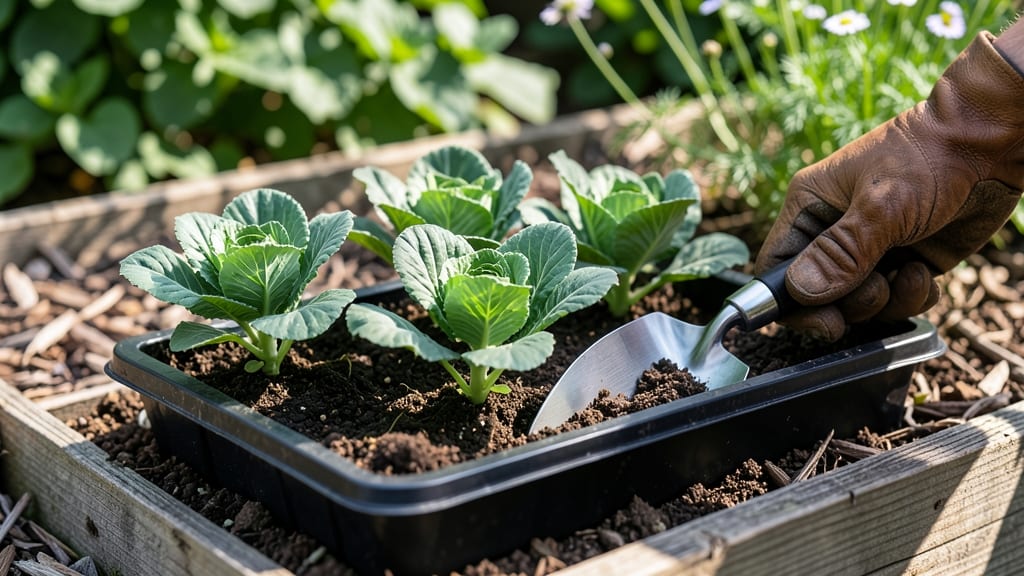
When to plant cabbage in Oklahoma isn’t just about luck—it’s about working with the state’s unique climate to grow heads that stay crisp and sweet. With USDA zones 6b-7a, you’ve got a short window between frost dates to get it right, but mastering these cool-season schedules means avoiding bolting and harvesting heavy yields even in summer’s heat.
Most gardeners in Oklahoma know the basics: plant in early spring or late summer. But what you might not realize is how much your location—whether you’re in the panhandle or southeastern hills—shifts those ideal dates.
The key is starting seeds indoors 4-6 weeks before your last frost (around March 15) for spring crops, or transplanting seedlings in late August for fall harvests by November.
This strategy isn’t just about dates—it’s about survival. Cabbage thrives in cooler weather, so understanding how Oklahoma’s microclimates affect temperature thresholds is game-changing. Too early, and seedlings risk frost damage; too late, and summer’s heat sends them bolting before you can enjoy those tight, flavorful heads.
Ready to unlock consistent harvests? I’ll walk you through the exact planting windows, soil prep, and even how to stretch your season with shade cloth. Let’s turn Oklahoma’s growing challenges into your cabbage garden’s biggest advantage.
Optimal planting windows for cabbage in Oklahoma’s climate zones
Oklahoma’s USDA Zones 6b-7a create unique challenges for cabbage growers, with northern regions experiencing earlier frosts than southern areas. The key to success lies in understanding your microclimate and planting during the cool-season windows when temperatures stay below 75°F to prevent bolting.
Cabbage thrives as a cool-season crop, meaning it grows best when daytime temperatures hover between 60°F and 70°F. In Oklahoma, this translates to two primary planting windows: early spring and late summer/fall. Each zone requires slight adjustments to avoid heat stress or frost damage.
For northern Oklahoma (Zones 6b), your last frost date typically falls around March 15. To maximize yields, start seeds indoors 4-6 weeks before this date or plant outdoor seedlings by mid-March.
In southern Oklahoma (Zone 7a), where last frosts occur 2-3 weeks later, you can push your spring planting to late March or early April.
Visual Reference: Use Oklahoma State University’s Frost Date Map to pinpoint your exact zone. Their Extension Office provides localized planting calendars tailored to your county’s frost history.
| Climate Zone | Planting Window | Seed Start (Indoors) | Outdoor Transplant | Harvest Window |
|---|---|---|---|---|
| Northern OK (Zone 6b) | Early Spring (Mar 1–15) | Feb 15–Mar 1 | Mar 15–Apr 1 | May–June |
| Southern OK (Zone 7a) | Late Spring (Mar 15–Apr 1) | Feb 20–Mar 15 | Apr 1–15 | May–June |
| Northern OK (Zone 6b) | Late Summer (Aug 1–15) | Jul 15–Aug 1 | Aug 15–Sep 1 | Oct–Nov |
| Southern OK (Zone 7a) | Early Fall (Aug 15–Sep 1) | Jul 20–Aug 15 | Aug 30–Sep 15 | Oct–Nov |
The fall planting window is equally critical, as cabbage planted in late summer can survive Oklahoma’s first frosts (typically mid-November) and even improve flavor with light frost exposure. For northern zones, aim to transplant by August 15, while southern zones can extend to September 1.
Pro tip: Use shade cloth (30-50%) if transplanting in late August to protect seedlings from 90°F+ afternoons. This simple trick can extend your planting window by 10-14 days without risking bolting.
Oklahoma’s unpredictable heat spikes in spring can derail even the best-laid plans. If daytime temperatures creep above 80°F before harvest, your cabbage will bolt prematurely. To mitigate this, choose shade-tolerant varieties like ‘Golden Acre’ or ‘Crimson Globe’ for late-spring plantings.
For year-round harvests, stagger plantings every 2-3 weeks from March through September. This succession planting strategy ensures you always have mature heads
Optimal planting windows for cabbage in Oklahoma’s climate zones
Oklahoma’s USDA Zones 6b-7a create unique challenges for cabbage growers, where heat intolerance and variable frost dates demand precise timing. The key to success lies in planting during cool-season windows—either early spring or late summer/fall—when temperatures stay between 50°F and 75°F for optimal growth.
For spring plantings, start seeds indoors 4-6 weeks before your last frost date (typically mid-March in northern Oklahoma and late March in southern regions). Transplant seedlings outdoors 2-3 weeks before last frost to give them time to establish roots before summer heat arrives.
| Planting Window | Best Months | Temperature Range | Notes for Oklahoma |
|---|---|---|---|
| Early Spring | March-April | 50°F-70°F | Plant after last frost (avg. March 15). Northern OK: start earlier. |
| Late Summer/Fall | August-September | 60°F-75°F | Critical for fall harvests. Use shade cloth if temps exceed 85°F. |
| Winter (Hardy Varieties) | October-November | 40°F-60°F | Only 'January King' or similar cold-tolerant varieties. Protect with row covers. |
Avoid planting cabbage during Oklahoma’s summer heat (June-August), as temperatures above 80°F trigger bolting (premature flowering). Instead, use succession planting every 2-3 weeks during your optimal windows to maintain a continuous harvest through late fall.
For fall harvests, begin sowing seeds 8-10 weeks before your first frost date (typically early November). In southern Oklahoma’s hotter microclimates, consider using shade cloth (30-50%) to protect seedlings during the hottest afternoon hours while still allowing adequate sunlight.
Check Oklahoma State University Extension’s frost date maps for your specific county, as microclimates can vary by 10-14 days even within the same region. Their localized planting calendars provide the most accurate timing for your exact location.
Remember: Soil temperature matters just as much as air temperature. Cabbage seeds won’t germinate well in soil colder than 40°F or warmer than 85°F. Use a soil thermometer to verify conditions before planting.