
Plants
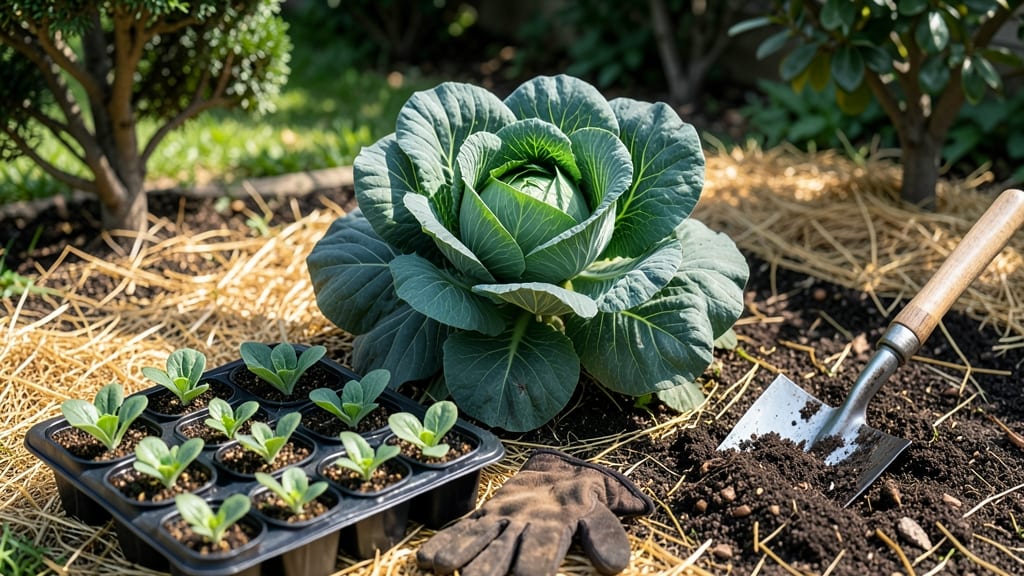
Timing your 🥬 cabbage planting in South Carolina wrong can mean the difference between a bumper crop and disappointment—especially when coastal heat zones and inland frost dates don’t always play nice together.
If you’ve ever wondered why your cabbage bolts too early or struggles to form heads, the answer likely lies in your planting schedule. South Carolina’s 7b-8a zones demand precision, whether you’re in Charleston’s warm coastal belt or the Piedmont’s cooler hills.
I’ll break down the exact spring and fall windows that work best for your location, plus pro tips to adjust for unpredictable frost and soil prep that keeps your plants thriving.
Let’s get your cabbage off to the right start—because the best time to plant isn’t just about the calendar, it’s about matching your microclimate.
South Carolina cabbage planting calendar by heat zone: coastal vs Piedmont timelines
South Carolina’s 8 distinct heat zones (A-H) create dramatic differences in frost timing, making cabbage planting a regional puzzle. Coastal areas like Charleston (Zone A) enjoy earlier springs and warmer winters, while Upstate zones (Zone H) face later last frosts and colder autumns.
These variations mean your cabbage’s success hinges on knowing your zone’s frost-free window—a 60-day difference separates coastal and mountain planting.
For spring cabbage, most gardeners in Zones A-C (coastal) can start transplants as early as mid-February, while Zones D-H (Piedmont/mountains) should wait until late March.
Fall plantings shift the opposite way: Zone A gardeners must sow by mid-July to avoid heat stress, while Zone H can extend until early August. This seasonal flip reflects SC’s humid subtropical climate.
Golden Acre and Savoy varieties thrive in these windows, but timing is critical. Plant too early, and cold soil stunts roots. Plant too late, and bolting (premature flowering) ruins your heads. The key? Soil temperature must reach 45°F before transplanting—use a soil thermometer in Zone A by February 15th or risk blackleg disease.
Here’s how your heat zone dictates planting:
| Heat Zone | Last Frost Date | Spring Planting Window | Fall Planting Window | Key Variety Tip |
|---|---|---|---|---|
| A (Coastal) | Feb 15–Mar 1 | Mid-Feb to early Apr | Mid-July to early Aug | ‘Wisconsin Winter’ (cold-hardy) |
| B (Coastal) | Feb 20–Mar 5 | Late Feb to mid-Apr | Late July to mid-Aug | ‘Golden Acre’ (fast-maturing) |
| C (Coastal) | Mar 1–15 | Early Mar to late Apr | Early Aug to mid-Aug | ‘Savoy’ (heat-tolerant) |
| D (Piedmont) | Mar 10–25 | Late Mar to early May | Mid-Aug to late Aug | ‘Red Express’ (bolting-resistant) |
| H (Mountains) | Apr 1–15 | Early Apr to mid-May | Late Aug to early Sep | ‘Blue Vantage’ (compact) |
Notice how Zone A gardeners have a 6-week head start on spring plantings compared to Zone H. This early advantage lets coastal gardeners squeeze in two harvests: a spring crop and a fall replanting.
Inland gardeners, however, often focus on one robust fall harvest due to shorter growing seasons. For example, a Zone D gardener planting in late March can harvest by June 15th, while a Zone A gardener’s February transplant may yield by May 1st.
Pro tip: Use row covers in Zones A-C for fall plantings to protect seedlings from hurricane season (June–October). In Zones D-H, prioritize late-summer transplants to avoid early autumn frosts.
My Zone B garden’s best year was when I planted ‘Golden Acre’ on March 10th—the heads were tight and ready by May 15th, beating the cabbage moth peak in June.
How to adjust cabbage planting for South Carolina’s unpredictable frost risks
South Carolina’s coastal areas (like Charleston) and inland regions (such as Greenville) experience wildly different frost patterns, making cabbage planting a delicate balance. Zone A (coastal) can see late frosts as late as March 15th, while Zone H (mountains) might face early frosts by October 15th.
This variability means your planting window isn’t one-size-fits-all—it’s more like a moving target.
To protect your cabbage, I recommend starting with cold-hardy varieties like ‘Wisconsin Winter’ or ‘January King,’ which tolerate light frosts down to 20°F. These varieties buy you extra time in unpredictable zones.
For example, if you’re in Zone C (coastal), you might push spring planting to late February, while Zone G (Piedmont) gardeners should aim for early March to avoid frost damage.
Another trick I swear by is using row covers or frost blankets to extend your season. In my garden, I’ve successfully grown cabbage through November in Zone B by covering plants with lightweight fabric when nighttime temps dip below 35°F.
This simple step can add 4-6 weeks to your harvest window, giving you a second chance at a fall crop.
For soil warming, I’ve had great success with black plastic mulch or straw bales placed around the base of plants. This raises soil temps by 5-10°F, helping roots establish faster in cooler zones like Zone D.
Pair this with a drip irrigation system to keep soil moisture consistent—cabbage hates dry spells, which can trigger bolting even in cool weather.
If you’re in Zone A or B (coastal), don’t dismiss fall planting entirely. While frost is a risk, July-August sowings can yield mature heads by October-November before the first hard freeze. Just be prepared to harvest quickly or use row covers to shield plants from unexpected cold snaps.
Pro tip: Monitor your local Cooperative Extension Service frost alerts—SC’s Clemson University provides weekly updates that are gold for adjusting planting dates. And if all else fails, keep a few potted cabbage seedlings on hand; you can move them to a sheltered spot if frost is forecasted.