
Plants
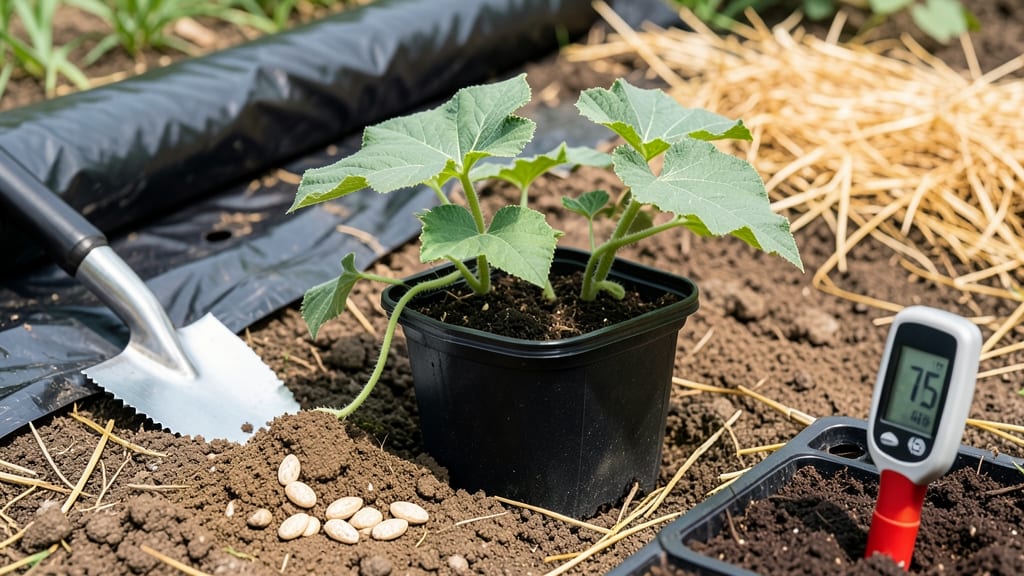
Timing your 🍉 cantaloupe planting in Arkansas isn’t just about the calendar—it’s about beating the last frost and giving those vines enough heat to thrive. Skip the guesswork, and you could end up with bitter melons instead of sweet, juicy rewards.
The key? Planting after mid-April, when soil temperatures hit at least 70°F and nighttime lows stay above 55°F.
Arkansas’s 7a-8a zones mean your planting window is tight—too early, and a late frost will kill tender seedlings; too late, and you’ll miss the prime July-September harvest window. I’ll break down the exact dates for your specific zone, plus how to adjust for Arkansas’s unpredictable spring weather.
Whether you’re a first-time gardener or a seasoned pro, getting this right means fewer wasted seeds and more homegrown cantaloupes. Let’s dive into the strategies that actually work, from soil prep to companion planting, so you can enjoy that first ripe slice of Arkansas-grown sweetness.
Ready to turn your garden into a cantaloupe oasis? I’ll walk you through every step—no more second-guessing when to plant.
Arkansas cantaloupe planting dates by heat Zone: exact frost-free deadlines
Arkansas spans USDA hardiness zones 6a to 8a, meaning your last frost date can vary by 3-4 weeks from north to south. In Zone 6a (northern Arkansas), frost lingers until April 15, while Zone 8a (southern Arkansas) sees its last frost by March 15.
Planting cantaloupe too early risks frost damage to tender vines, but waiting too long cuts your harvest window short.
Cantaloupes thrive in warm soil (70°F+) and consistent daytime temps above 75°F. In Arkansas, this typically aligns with mid-April to early May for most regions. However, soil temperature is more critical than air temperature—use a soil thermometer to confirm readiness before planting.
For direct sowing (planting seeds outdoors), aim for 2-3 weeks after your last frost date. If you’re transplanting seedlings, wait until nighttime temps stay above 55°F and soil is warm enough to hold moisture. In Zone 7a (central Arkansas), this usually means early to mid-April for seedlings.
Here’s a zone-by-zone breakdown of ideal planting windows, including soil temp thresholds and harvest timelines to help you align your schedule with Arkansas’s growing season:
| USDA Zone | Last Frost Date | Ideal Planting Window | Soil Temp Threshold | Harvest Window |
|---|---|---|---|---|
| 6a (Northern AR) | April 15 | Mid-April to early May | 70°F+ | Late July to early Sept |
| 7a (Central AR) | April 1 | Early April to mid-April | 70°F+ | Mid-July to late Aug |
| 7b (Central AR) | March 25 | Late March to early April | 65°F+ | Late June to early Sept |
| 8a (Southern AR) | March 15 | Mid-March to early April | 65°F+ | Early July to late Aug |
If you’re starting seeds indoors, begin 4-6 weeks before your target outdoor planting date. Use biodegradable pots to avoid transplant shock when moving seedlings outside.
Arkansas’s long growing season (180–210 frost-free days) gives you flexibility, but early planting in Zone 8a can lead to heat stress before melons mature.
For container gardening, choose compact varieties like ‘Tasty Bite’ and plant in large pots (12"+ diameter) with well-draining soil. Containers warm up faster than ground soil, so you can plant 1-2 weeks earlier than in-ground gardens.
Just ensure pots get full sun (6-8+ hours) and are placed on drip irrigation to avoid moisture stress.
Pro tip: Mulch heavily with straw or black plastic to speed up soil warming and retain moisture during Arkansas’s hot, dry summers. This is especially critical in Zone 7a and 8a, where evaporative loss can stunt vine growth.
Aim for 1-2 inches of mulch once soil temps hit 65°F.
In Zone 6a, where frosts linger later, consider row covers or cold frames to extend your season. You can even plant a second crop in late June for a fall harvest before the first frost (November 15).
Just be prepared to protect young plants with frost cloth if temps dip below 50°F.
Remember: Cantaloupes need warmth to thrive. If your first harvest is small or underdeveloped, it’s likely due to cool soil temps or inconsistent heat. Use a greenhouse or high tunnel in Zone 6a to jumpstart growth and boost yields.
How to adjust planting for Arkansas’s unpredictable spring weather
Arkansas’s spring weather is famously unpredictable, with late frosts creeping into April or even May in some years. If you plant cantaloupe seeds too early, a sudden 28°F dip can wipe out your crop overnight. The solution? Staggered planting and protective strategies to shield tender seedlings.
I’ve learned the hard way—my first year, I lost every seedling to a late-April frost in Northwest Arkansas. Now, I use row covers and wait until soil temperatures consistently hit 70°F before planting. This usually means holding off until mid-to-late May in cooler zones like 6a.
For extra insurance, I start half my seeds indoors 2-3 weeks before the last frost date, then transplant hardened-off seedlings after May 15.
This gives you a head start while avoiding frost risks. Cold-hardy varieties like ‘Athena’ or ‘Hale’s Best’ can tolerate slightly cooler soils, but even they need protection until nighttime temps stay above 55°F.
Another trick? Raise beds warm up faster than in-ground soil, giving seedlings a 2-3°F advantage in temperature. I add black plastic mulch a week before planting to accelerate soil warming. This shaves critical days off your growing season and helps prevent soil-borne diseases in Arkansas’s humid climate.
Don’t forget to monitor forecasts like the National Weather Service’s Arkansas AgriWeather page. A 5-day outlook showing lows above 50°F is your green light to plant. I also set up frost alarms (like FrostWatch apps) to get warnings before temperatures drop.
If you’re in Zone 7a or cooler, consider extending your season with low tunnels or mini greenhouses. These can add 2-4 weeks to your growing window, letting you plant earlier or harvest later. Just remove covers once vines start running to avoid overheating.
Finally, space your plantings every 2 weeks for a continuous harvest. This way, if one batch fails to thrive, you’ll still get some cantaloupes. With these adjustments, you’ll beat Arkansas’s weather—not the other way around.