
Plants
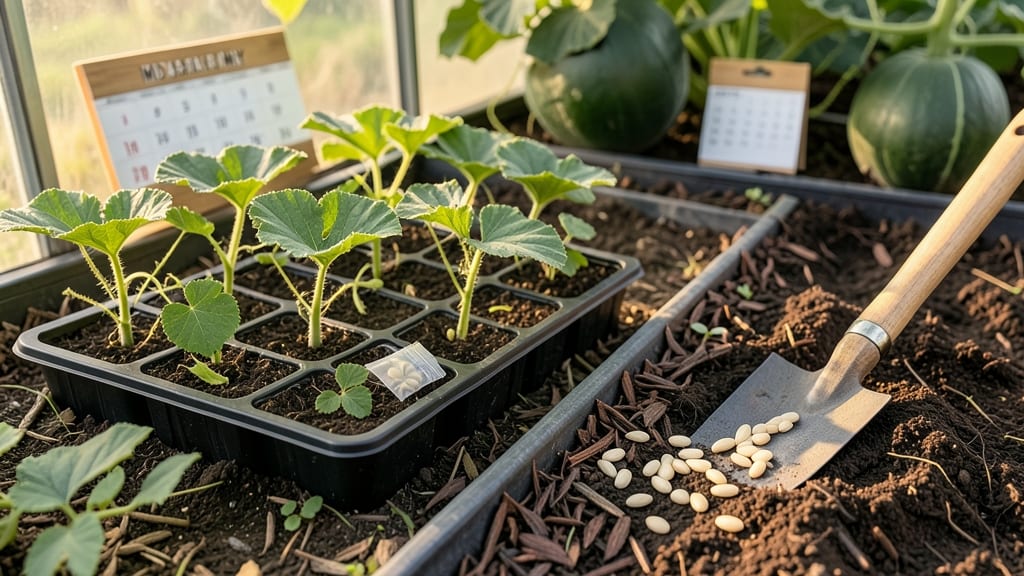
If you're dreaming of sweet, ripe 🍈 cantaloupe from your North Texas garden, when to plant cantaloupe in North Texas is everything—and getting it wrong could mean wasted effort. Planting too early risks frost damage, while waiting too late might leave you battling scorching summer heat that stunts your vines.
The key is a precise 6-week window that aligns with your region's unique climate, where soil temperatures hit 70°F+ and the last frost has long passed.
For gardeners in USDA Zone 8a, this means starting seeds indoors by late February or transplanting seedlings outdoors between late March and early April.
But here's the catch: cantaloupe thrives as a summer crop, so you'll need to choose heat-resistant varieties that can handle North Texas's intense sun and occasional drought. The right approach turns potential challenges into a bountiful harvest.
I'll show you exactly how to time your planting for maximum success, from selecting the best varieties to protecting young plants from late frosts. With these strategies, you'll be well on your way to growing cantaloupe that's sweeter and more abundant than you ever expected in your own backyard.
Ready to transform your garden into a cantaloupe oasis? Let's dive into the proven methods that work in North Texas's challenging climate—where timing, variety selection, and a few smart tricks make all the difference.
North Texas cantaloupe planting calendar: exact 6-Week heat window
Cantaloupe thrives in North Texas's long, hot summers, but timing is critical—plant too early and frost zaps your vines, too late and scorching heat stunts growth. The 6-week window between late March and early April is your sweet spot for transplants, while mid-April is ideal for direct seeding.
This aligns with USDA Zone 8a, where average last frost dates hover around March 15 in Dallas and Fort Worth.
Your first step is checking soil temperature—cantaloupe roots need 70°F+ to germinate. Use a soil thermometer to confirm warmth before planting. In North Texas, this typically occurs in mid-to-late March for transplants or early April for seeds.
Pro tip: If frost warnings linger, use row covers or cold frames to protect young plants until soil warms.
Here’s your North Texas cantaloupe planting timeline—follow this to maximize yield and avoid common pitfalls:
| Stage | Action | Notes |
|---|---|---|
| Soil Prep | Test soil pH (6.0-6.8) | Amend with compost for fertility |
| Transplant Window | Late March–Early April | Use 4-6 week old starts |
| Direct Seed Window | Mid-April | Soil must be 70°F+ |
| Frost Protection | Row covers or cloches | Remove when temps stay above 50°F |
| Harvest Window | June–August | 75–90 days after planting |
For transplants, start seeds indoors 4-6 weeks before your target planting date (around February 15). Harden off seedlings by placing them outdoors for 2-3 hours daily starting 1 week before transplanting. This gradual exposure prevents shock and boosts survival rates in North Texas’s unpredictable spring weather.
If you’re direct seeding, sow ½-inch deep in hills spaced 3-4 feet apart. Thin seedlings to 2-3 plants per hill once they develop 2-3 true leaves. This spacing gives vines room to sprawl and reduces competition for water and nutrients—critical in North Texas’s drought-prone summers.
Watch for late frost warnings after March 15. Even a light freeze can devastate young cantaloupe plants. Use black plastic mulch or straw mulch to warm soil faster and retain moisture. Mulch also suppresses weeds, which compete for water during the critical flowering stage (May–June).
Once planted, cantaloupe vines need full sun (6-8 hours daily) and consistent moisture. In North Texas, drip irrigation is ideal—it delivers water directly to roots while avoiding fungal issues from overhead sprinklers. Aim for 1-2 inches of water per week, increasing to daily watering during 90°F+ heatwaves.
Pro tip: Mulch heavily (3-4 inches of straw or wood chips) to lock in moisture and regulate soil temperature. This is especially important in June–July, when North Texas often sees 100°F+ days. Mulch also keeps fruit off the ground, reducing rot risk from humidity and splashing water.
By following this 6-week window and adjusting for local microclimates (e.g., cooler valleys vs. hotter urban areas), you’ll enjoy sweet, ripe cantaloupe from June through August—just in time for summer picnics! 🍈
North Texas cantaloupe planting calendar: exact 6-Week heat window
In North Texas' USDA Zone 8a, cantaloupe thrives when planted during a 6-week window that aligns with soil temperatures of 70°F+ and the last frost date (typically March 15).
This means your best bet is to start seeds indoors by late February or transplant seedlings outdoors between late March and early April. Direct sowing seeds outdoors should wait until mid-April when nighttime temperatures consistently stay above 55°F.
Cantaloupe is a warm-season crop, so rushing the process risks frost damage to tender vines. Young plants can't handle temperatures below 50°F, making early spring planting a gamble.
Use row covers or cold frames if you plant early, but be prepared to remove them once daytime temperatures exceed 75°F to prevent overheating.
Here's the key: cantaloupe needs 90-120 frost-free days to mature. In North Texas, this translates to a June-August harvest window if you plant at the optimal time. Missing this window means your vines will struggle under 90°F+ temperatures or face premature bolting.
| Stage | Action | Notes |
|---|---|---|
| Indoor Start | Late February | 6-8 weeks before last frost |
| Transplant Outdoors | Late March - Early April | Soil temp ≥70°F, no frost risk |
| Direct Sow | Mid-April | After all frost danger passes |
| Harvest Ready | June - August | 60-90 days after planting |
For direct-sown seeds, wait until the soil temperature at 4 inches deep reaches 70°F+—this usually happens by mid-April in North Texas. Use a soil thermometer to confirm, as cool soil delays germination.
Plant seeds 1 inch deep and 2 feet apart in hills, with 3-4 seeds per hill for better success rates.
Pro tip: If you're in higher elevations (like the Dallas-Fort Worth area), aim for early April planting, while lower elevations (like Waco or San Antonio) can start slightly earlier due to warmer microclimates. Always check your local Cooperative Extension Service for last frost dates specific to your county.
Remember, cantaloupe vines need space to sprawl—provide 4-6 feet of clearance between plants or rows. In North Texas's intense sun, mulching with straw helps retain moisture and regulate soil temperature, which is crucial during the 90°F+ summer months when cantaloupe is flowering and fruiting.