
Plants
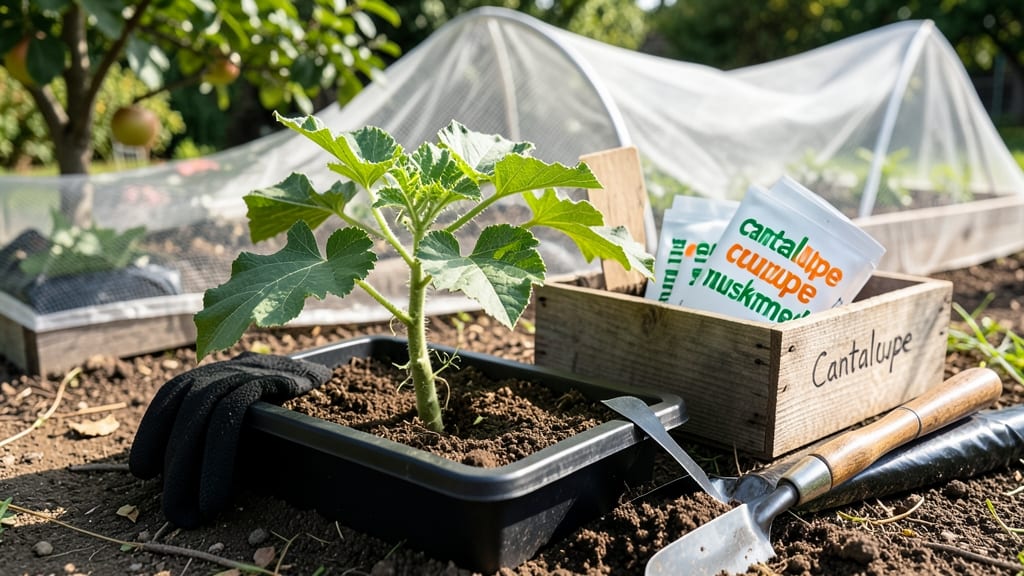
If you've ever planted cantaloupe seeds in Texas only to watch them wilt under the scorching sun or bolt before producing fruit, you're not alone. The perfect timing for planting these heat-loving melons can make or break your harvest, especially in our unpredictable climate.
Texas gardeners know that cantaloupe thrives when soil temperatures hit 70°F+, but getting those seeds in the ground too early risks frost damage, while waiting too long means missing the ideal growing window.
I've tested the best strategies over the years, and what I'm about to share will help you avoid those common pitfalls.
From North Texas' cooler springs to South Texas' early heat waves, we'll break down exactly when to start seeds indoors and when to transplant them outdoors for maximum success.
Whether you're a first-time gardener or a seasoned pro, these insights will give you the confidence to grow juicy, vine-ripened cantaloupes every season.
Let's dive into the exact week-by-week timeline that's worked for Texas growers—plus the heat-resistant varieties that perform best in our challenging conditions. Your future harvest is waiting!
Texas cantaloupe planting timeline by region: exact weeks to start seeds indoors & transplant outdoors
Texas’ diverse climate—from North Texas’ chilly springs to South Texas’ scorching summers—means cantaloupe planting isn’t one-size-fits-all. Soil temperature is your best friend: seeds need 70°F+ soil to germinate, and transplanting too early risks frost damage or bolting from heat stress.
Below, I’ll break down the exact weeks to start seeds indoors and transplant outdoors for North, Central, and South Texas, plus pro tips to beat Texas’ quirks.
For gardeners in North Texas (USDA Zones 7b-8a), like Dallas or Fort Worth, the window is tighter. Last frost dates average March 15–April 1, but cantaloupes thrive only after soil warms to 75°F+.
That means indoor starts 4–6 weeks before last frost (mid-February to early March) and transplanting after April 15. Miss this, and you’ll battle slow growth or wilted vines from late spring cold snaps.
Central Texas (Austin, San Antonio—Zones 8a-8b) offers a 2-week grace period. Start seeds indoors by March 1 and transplant after April 1, when nighttime temps stay above 55°F.
Here, the real enemy is early summer heat, which can cause seeds to rot in cold soil if planted too soon. Use black plastic mulch to warm soil faster.
South Texas (Houston, Corpus Christi—Zones 8b-9a) is the easiest, but timing still matters. Direct-sow seeds March 15–April 1—no need for indoor starts!
Soil heats up quickly, and the longer growing season lets you squeeze in two harvests if you plant again in early July for a fall crop. Just watch for powdery mildew in humidity spikes.
| Region | USDA Zone | Start Seeds Indoors | Transplant Outdoors | Soil Temp Threshold | Key Risk |
|---|---|---|---|---|---|
| North Texas | 7b–8a | Mid-Feb–Early Mar | After April 15 | 75°F+ | Late frost |
| Central Texas | 8a–8b | By March 1 | After April 1 | 70°F+ | Slow soil warming |
| South Texas | 8b–9a | Direct-sow Mar 15–Apr 1 | None (direct-sow) | 65°F+ | Powdery mildew |
Pro tip: Use a soil thermometer—it’s the only way to know for sure when soil hits 70°F. If temps dip below 60°F at night, cover seedlings with frost cloth for the first week post-transplant.
And here’s a secret: Black plastic mulch can raise soil temps by 10°F+, letting you plant 2 weeks earlier in cooler zones.
For extended harvests, try a fall planting in South/Central Texas. Sow seeds July 1–15 for a September–October crop, but choose disease-resistant varieties like ‘Athena’ to fight humidity-related rot.
Just remember: cantaloupes need 80–100 days to mature, so count backward from your first frost date (usually November 15–December 1 in Texas).
One common mistake? Planting too close to summer solstice (June 21). The intense heat can cause flowers to drop before pollination. To fix this, shade plants slightly with 30% shade cloth during 100°F+ days and focus on morning watering to keep roots cool.
Hand-pollinate flowers with a small paintbrush if bees are sluggish in the heat.
Finally, trellising
Texas cantaloupe planting timeline by region: exact weeks to start seeds indoors & transplant outdoors
Texas' diverse climate means your cantaloupe planting schedule should vary dramatically from North Texas to South Texas. The key is waiting until soil temperatures consistently reach 70°F+—any cooler, and your seeds will rot before sprouting.
I've planted cantaloupes in all three regions, and these timelines reflect what actually works in real Texas gardens.
For North Texas (Zones 7b-8a), where frost can linger until early April, start seeds indoors 4-6 weeks before your last frost date.
This typically lands in early March, giving you hardened-off seedlings ready for transplant by mid-April when nighttime temperatures stabilize above 55°F. The window is tight here—get it wrong, and you'll either lose seedlings to frost or have them bolt before summer heat arrives.
In Central Texas (Zones 8a-8b), you can push things earlier. Begin seeds indoors around late February for transplanting by early April. The real magic happens when you direct-sow after April 15th, once soil temperatures hit 75°F consistently.
This region gives you the longest growing season, but rushing transplant can lead to stunted vines struggling to adapt to Texas' intense summer sun.
| Region | Indoor Start | Transplant Outdoors | Direct Sow Window | Soil Temp Threshold |
|---|---|---|---|---|
| North Texas | Early March | Mid-April | After May 1 | 70°F+ |
| Central Texas | Late February | Early April | After April 15 | 75°F+ |
| South Texas | Mid-February | Late March | After March 15 | 80°F+ |
South Texas (Zones 8b-9a) gardeners have the advantage of an early start. You can begin seeds indoors as early as mid-February for transplanting by late March. The real game-changer here is direct sowing after March 15th—this region's early heat means you can often skip the indoor start entirely.
However, beware of bolting if you plant too early; cantaloupes will flower and fruit prematurely in response to heat stress.
Regardless of region, transplant timing is critical. Cantaloupe vines establish slowly and need 3-4 weeks to recover from transplant shock before they'll produce fruit. In my own garden, I've found that transplanting after May 1st in North Texas often means vines struggle to mature before summer's peak.
The sweet spot is 2-3 weeks after your last frost date, when soil is warm but not yet scorching.
Pro tip: Use a soil thermometer to confirm readiness—cantaloupe seeds need 85°F+ soil for optimal germination. In Texas' unpredictable springs, this can mean waiting until June in North Texas if early season rains keep soils cool.
The trade-off? Later plantings may not mature before fall frosts, but the flavor difference is worth it for well-timed cantaloupes.
Remember, cantaloupes are warm-season annuals that bolt easily. The goal is to have vines established by June 1st in most of Texas—this gives them 100+ days to mature before summer's end.
With these regional timelines, you'll avoid the most common Texas cantaloupe failures: frost damage, premature bolting, and heat stress before fruiting.