
Plants
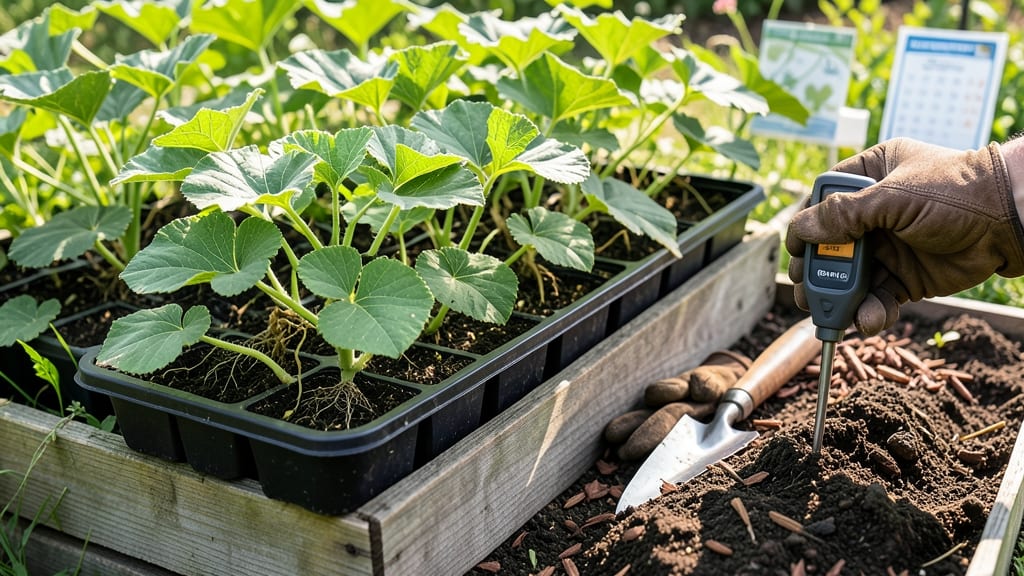
Timing your cantaloupe planting in Zone 6 can mean the difference between a bountiful summer harvest and wasted seeds. 🍈 This sweet melon demands warmth—soil that's too cool will leave you staring at empty rows instead of ripe fruit.
Most gardeners in Zone 6a wait until mid-to-late May after the last frost date, but there's more to it than just the calendar. Soil temperature plays the starring role here—waiting for it to hit at least 70°F ensures strong germination and faster vine growth.
I've learned the hard way that rushing cantaloupes leads to weak starts, while planting too late cuts the harvest window short. The key is balancing these factors: frost dates, soil warmth, and your specific variety's maturity timeline.
In this guide, I'll break down the exact weeks before last frost you should plant, plus pro tips to extend your harvest from July through August—no matter where in Zone 6 you garden.
Exact weeks before last frost to plant cantaloupe seeds in Zone 6
Cantaloupe seeds need warm soil to germinate—cold temperatures will leave you waiting weeks or give up entirely. In Zone 6, the average last frost date is around May 10, but soil warms slower than air.
Planting too early risks rotten seeds or stunted growth, while waiting too long cuts your harvest window short.
For direct sowing (planting seeds straight into the garden), aim for 2-3 weeks after your last frost date—typically mid-to-late May—when soil temperatures consistently hit 70°F or higher. If you’re transplanting seedlings, start them indoors 4-6 weeks earlier (early April) to harden off before moving outside.
Zone 6’s climate varies by region—northern sub-zones (6a) have shorter growing seasons than southern sub-zones (6b). Adjust your timing by 1-2 weeks later if you’re in a cooler microclimate, like a valley or near water.
Use a soil thermometer to confirm readiness—60°F is the minimum for germination, but 70°F+ ensures faster sprouting.
Pro tip: Black plastic mulch can warm soil by 5-10°F, letting you plant 1-2 weeks earlier safely. Lay it down 2-3 weeks before planting to maximize heat absorption. Pair this with row covers for early-season protection against unexpected chilly nights.
🌱 Cantaloupe Planting Timeline for Zone 6
| Stage | Action | Soil Temp | Notes |
|---|---|---|---|
| Indoor Start (Seedlings) | Sow seeds 4-6 weeks before last frost | 65-70°F | Use grow lights if natural light is <6 hours |
| Direct Sowing | 2-3 weeks after last frost | 70°F+ | Wait for consistent warmth; use mulch |
| Transplant Seedlings | After last frost, when soil is 70°F+ | 70°F+ | Hardened-off plants only; avoid night temps below 50°F |
| Harvest Window | 75-90 days after planting | N/A | July-August for Zone 6; expect 1-2 harvests |
If you’re in a cooler pocket of Zone 6 (like the Upper Midwest), consider starter plants from a nursery. Seedlings give you a 2-week head start and reduce the risk of damping off (a fungal disease caused by overly wet, cold soil).
For direct sowing, plant seeds 1 inch deep and 2 feet apart in hills for better drainage and airflow.
Watch for false springs—those warm spells in early April that trick you into planting early. Cantaloupe seeds won’t germinate below 60°F, and even if they do, the seedlings will wilt from nighttime chills.
Use a frost watch from your local agricultural extension office to time your planting perfectly.
For extended harvests, succession plant every 2 weeks from late May through early June. This ensures a steady supply of fruit before the first frost in mid-October. Pair cantaloupe with bush beans or radishes in early plantings—they mature quickly and won’t compete for space as the vines spread.
Remember: Soil temperature matters more than air temperature. A sunny 80°F day with 50°F soil won’t work—seeds will rot. Invest in a $10 soil thermometer to avoid costly mistakes.
Planting at the right time isn’t just about timing; it’s about giving your cantaloupe the warm, consistent conditions it craves to thrive.
Exact weeks before last frost to plant cantaloupe seeds in Zone 6
Zone 6 gardeners have a 3-4 week window after the last frost to plant cantaloupe seeds for optimal results. The average last frost date in Zone 6 is May 10, but your exact timing depends on soil temperature and local microclimates.
For direct sowing, aim to plant cantaloupe seeds 2-3 weeks after your last frost date when soil temperatures consistently reach 70°F or higher. This typically lands between mid-May and early June in most of Zone 6.
If you're transplanting seedlings, start them indoors 3-4 weeks before your target outdoor planting date. This means beginning seeds indoors around mid-April so they're ready to move outside by late May.
| Planting Method | Ideal Planting Window | Soil Temp Requirement | Key Consideration |
|---|---|---|---|
| Direct Sowing | 2-3 weeks after last frost | 70°F+ consistently | Use black plastic mulch to warm soil faster |
| Transplanting | Mid-May to early June | 65°F+ minimum | Hardening off seedlings for 1 week first |
| Late Varieties | Early June | 70°F+ | Extends harvest into September |
Northern parts of Zone 6 (like 6a) may need to wait until early June due to cooler soils, while southern areas (like 6b) can start as early as mid-May. Always check your local frost date averages and monitor soil temperatures with a soil thermometer for accuracy.
Remember that cantaloupes need 75-90 days to mature, so planting too late risks fruit not ripening before fall frosts. For Zone 6's 165-day growing season, this means your last planting window should be no later than early July for late varieties.
I've found that using black plastic mulch can push my planting window back by 1-2 weeks by warming the soil faster, which is especially helpful in cooler Zone 6 microclimates. This simple trick has doubled my cantaloupe yields in past seasons! 🌱