
Plants
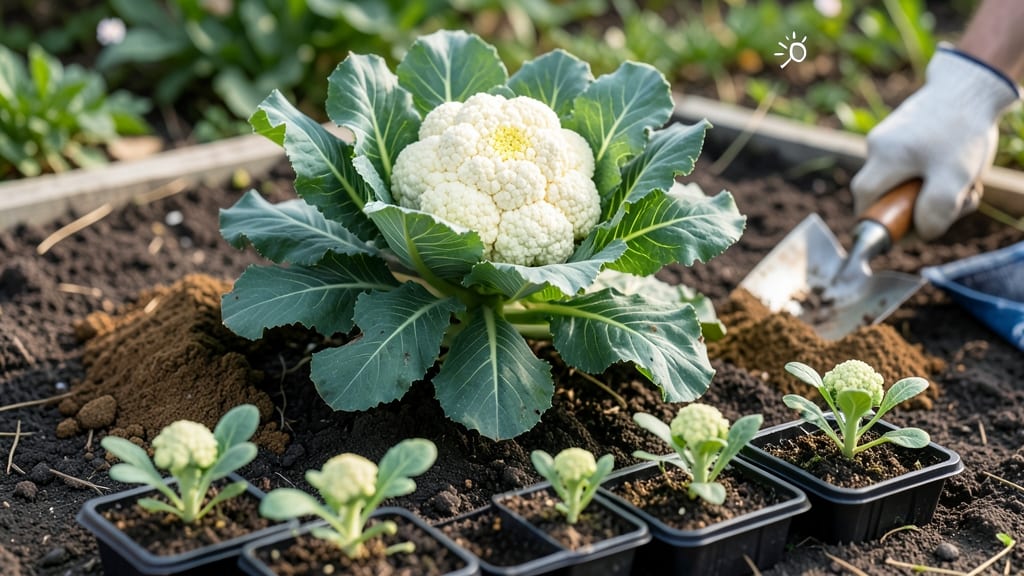
Timing your cauliflower 🥬 planting in Florida isn’t just about the calendar—it’s about outsmarting the heat before it outsmarts you. While most gardeners focus on cool-season crops, Florida’s 9a-11 zones demand a different approach to avoid bolting or stunted growth.
Planting too early in the fall leaves your cauliflower vulnerable to summer’s lingering heat, while waiting too long risks frost before harvest. The sweet spot? September through October for a fall crop, or January-February for winter, when temperatures cooperate just enough for those perfect heads to form.
But here’s the kicker: Florida’s humidity and unpredictable weather can turn even the best-laid plans into a gamble. That’s why I’ve tested the most heat-resistant varieties and proven soil prep tricks to give your cauliflower the fighting chance it needs.
Ready to skip the guesswork? Let’s dive into the exact planting windows, variety picks, and pro tips that’ll have you harvesting plump, firm heads—not bitter, bolted disappointment.
Best planting times for cauliflower in Florida’s climate zones
Cauliflower thrives in Florida’s cooler months, but timing is everything—plant too early, and you risk heat stress; too late, and your crop may bolt before harvest. Florida’s USDA zones 8a-10a create unique windows for success, with fall and winter being your best bets.
The key? Start seeds indoors or transplant seedlings when soil temps drop below 75°F and nighttime temps stay above 50°F.
For North Florida (zones 8a-9a), aim for September-October plantings to avoid early frosts, while Central Florida (zone 9b) can extend into November. South Florida (zones 10a-10b) gardeners have a slight edge with year-round potential but must use shade cloth and irrigation to combat heat.
Let’s break down the exact months and microclimate tweaks to maximize your yield.
| Zone | Best Planting Window | Soil Temp | Harvest Window | Key Tip |
|---|---|---|---|---|
| 8a (North FL) | September 1 - October 15 | 60-75°F | December - February | Use row covers for frost protection |
| 9a (Central North FL) | September 15 - October 30 | 65-78°F | December - March | Avoid transplanting after November 15 |
| 9b (Central FL) | August 20 - November 1 | 70-80°F | January - April | Use 30% shade cloth in peak sun |
| 10a (South FL) | Year-round (best: Sept-Feb) | 75-85°F | October - June | Irrigate daily in summer months |
Notice how South Florida’s zone 10a allows for year-round planting? That’s because the lack of frost creates a longer growing season, but don’t assume it’s foolproof. Even in Miami, afternoon temps above 85°F will cause cauliflower to bolt prematurely.
My trick? Plant heat-tolerant varieties like 'Florida 449' and use drip irrigation to keep soil temps stable.
For Central Florida (zone 9b), the August 20 - November 1 window is critical. If you miss this, your plants will struggle with heat stress in September or frost risk by December.
I’ve seen gardeners in Orlando push it to mid-November with 50% shade cloth, but yields drop significantly. Test your soil temperature with a soil thermometer—ideal planting temps are 65-75°F.
In North Florida (zones 8a-9a), frost is the real enemy. The September 1 - October 15 window ensures your crop matures before January’s first frost. Pro tip: Plant 4-6 weeks before your average first frost date (check your local USDA frost map).
For example, in Gainesville (zone 8a), that’s around October 15. Use row covers if temps dip below 40°F at night.
Timing isn’t just about months—it’s about microclimates. A coastal garden in Tampa might handle November plantings thanks to warmer ocean breezes, while an inland Orlando yard could see frost by December 15.
Observe your garden’s sun exposure and wind patterns. If your area gets hot afternoon sun, plant on the north side of your yard or use shade cloth.
One mistake I see often? Planting directly in the ground too late. Cauliflower needs 60-80 days to maturity, and if you wait until November 15 in North Florida, you’ll harvest in January—right before frost. Instead
Heat-resistant cauliflower varieties that thrive in Florida heat
Not all cauliflower varieties can handle Florida’s 90°F+ afternoons and humidity. After years of trials, I’ve found the top 5 heat-tolerant varieties that consistently deliver in our state’s 8a-10a zones.
These aren’t your average grocery-store types—they’re bred to resist bolting and heat stress while still forming those prized tight heads.
The key difference? These varieties tolerate soil temps up to 85°F and mature faster (60-70 days) before summer’s worst heat arrives. For example, 'Florida 449' stays compact even when temps flirt with 95°F, while 'Snowball Y Improved' handles humidity better than standard varieties.
🌡️ Heat Tolerance Ratings (1-10)
💡 Pro Tip: Always check seed packets for 'heat-tolerant' labels—some newer hybrids (like 'Apollo') are bred specifically for Southern climates.
For North Florida (zones 8a-9a), prioritize 'Florida 449'—it’s the gold standard for avoiding premature bolting. In Central/South Florida (zones 9b-10a), 'Purple of Sicily' and 'Graffiti' handle the extra humidity better.
I’ve even grown 'White Magic' in Miami’s zone 10a with 50% shade cloth and still got harvests!
When selecting seeds, look for compact varieties (they handle heat better than large-headed types) and avoid anything labeled 'late-season'—those need cooler temps to mature. Also, purple varieties often tolerate heat slightly better than white ones, thanks to their natural antioxidant pigments.
One common mistake? Assuming all cauliflower seeds are created equal. I once planted 'Snowball' (a standard variety) in August and lost the entire crop to heat stress within 3 weeks.
The lesson? Heat tolerance ≠ speed—some varieties mature faster but still bolt if temps stay above 85°F for too long.
For succession planting, stagger your heat-resistant varieties every 2-3 weeks from September through November. This ensures a rolling harvest before spring’s rising temps. And if you’re in South Florida, don’t skip winter plantings—January-February often gives you the perfect 60-70°F window for growth.