
Plants
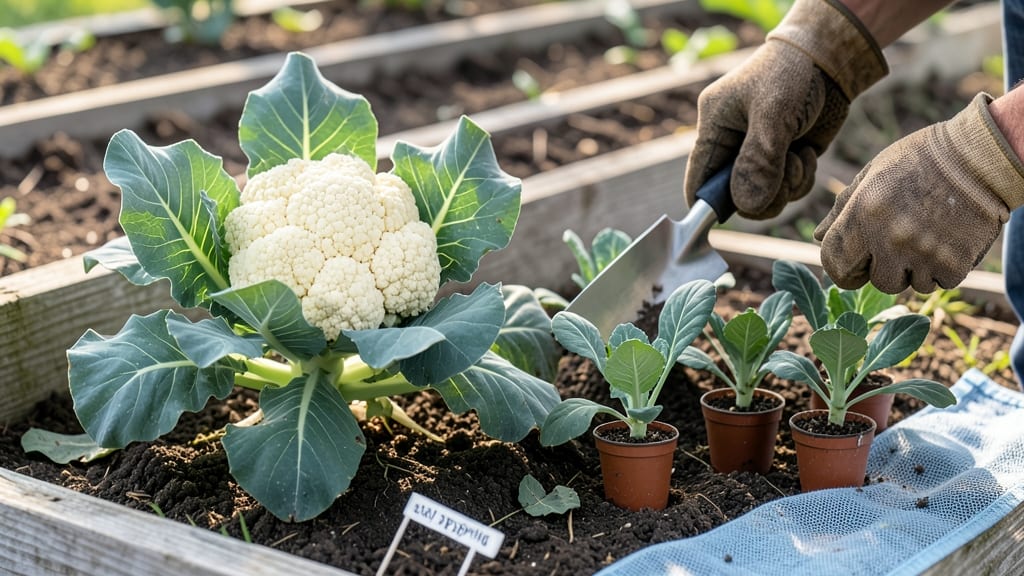
Knowing when to plant cauliflower in Missouri can mean the difference between a bountiful harvest and wasted effort. This cool-weather crop thrives in Missouri's 5b-6b zones but bolts quickly when temperatures rise, making timing everything.
Missouri gardeners face unique challenges like unpredictable frost dates and humid summers that can stress your 🥬 plants. Plant too early, and you risk frost damage; too late, and the heat will send your cauliflower shooting up flowers instead of forming heads.
In this guide, I'll break down the exact months to plant for both spring and fall harvests, plus pro tips to beat Missouri's climate quirks. Whether you're a first-time gardener or a seasoned grower, these strategies will help you avoid common mistakes and enjoy homegrown cauliflower all season.
Let's dive into the perfect planting schedule that works with Missouri's weather patterns - not against them. You'll learn which varieties handle heat best, how to extend your growing season, and when to expect your first harvests in May or September.
Best planting months for cauliflower in Missouri (with frost-date maps)
Missouri’s USDA zones 5b-6b mean your last frost dates can swing wildly—from early March in southern regions to late April in northern areas. Cauliflower thrives in cooler weather, so timing your spring and fall plantings around these dates is critical.
In St. Louis, for example, the average last frost is April 15, while Kansas City often sees frost linger until April 25. Plan accordingly to avoid heat stress or early bolting.
For spring harvests, start seeds indoors 4-6 weeks before your local last frost date. In Missouri, that typically means February to early March for transplanting outdoors in March or April. If you’re sowing directly, wait until soil temperatures hit 40°F—usually mid-April in most regions.
Fall plantings should begin 10-12 weeks before the first frost, which in Missouri falls around mid-October. That means seeding in late July or August for a September-October harvest.
Missouri’s humid summers and clay-heavy soils can stress cauliflower plants, so black plastic mulch is a game-changer. It warms the soil faster in spring and retains moisture better in summer. Pair this with drip irrigation to keep roots consistently moist without overwatering—critical in Missouri’s high humidity.
Here’s a quick frost-date cheat sheet for Missouri’s major cities to guide your planting schedule:
| City | Avg. Last Frost | Spring Planting Window | Fall Planting Window | Harvest Time |
|---|---|---|---|---|
| St. Louis | April 15 | March 15–April 15 | July 20–August 15 | May–June & Sept–Oct |
| Kansas City | April 25 | April 1–April 30 | July 10–August 10 | June & Sept–Oct |
| Columbia | April 10 | March 1–April 10 | July 15–August 10 | May–June & Sept–Oct |
If you’re unsure about your local frost dates, check the Missouri Climate Center’s frost maps or use a frost calendar app like PlantMap. These tools adjust for microclimates, which can shift frost dates by 1-2 weeks even within the same city.
For example, urban areas like St. Louis may experience slightly later frosts due to the heat island effect.
For fall plantings, prioritize heat-tolerant varieties like ‘Snowball Y Improved’ or ‘Purple of Sicily’. These handle Missouri’s summer heat spikes better than traditional varieties. Start seeds in late July for a September harvest before temperatures drop.
If you miss this window, consider container gardening on a patio or balcony to extend your growing season.
Missouri’s clay soil can compact easily, slowing root growth. Amend beds with compost or aged manure before planting to improve drainage. Cauliflower roots need well-aerated soil to thrive, especially in Missouri’s humid climate, which can lead to root rot if soil stays soggy.
Aim for a pH of 6.0–7.0—Missouri’s native soil often tests too acidic, so a lime application may be needed.
Pro tip: Use a soil thermometer to monitor temperatures. Cauliflower seeds need 50–60°F soil to germinate, while transplants prefer 60–70°F. In Missouri’s
How to extend your cauliflower season in Missouri’s hot summers
Missouri’s summers can turn your cauliflower plants into heat-stressed bolts faster than you can say "pest problem." But with the right strategies, you can extend your harvest window by 4-6 weeks.
The key is cooling the soil, managing moisture, and choosing heat-tolerant varieties that won’t turn bitter or flower prematurely.
First, let’s tackle the biggest enemy: bolting from heat stress. Cauliflower starts forming flower stems when soil temperatures exceed 80°F (27°C). In Missouri’s Zone 5b-6b, this happens by late June in most regions. But don’t panic—you can delay bolting with these science-backed tricks.
🌱
Don’t overlook the power of companion planting to regulate temperature and deter pests. Try pairing your cauliflower with radishes or lettuce, which grow quickly and shade the soil, or thyme or oregano, which repel cabbage moths—the #1 cauliflower pest in Missouri.
For a second fall harvest, start seeds indoors by July 15 and transplant August 1-15. Use row covers after transplanting to protect young plants from late-summer pests like flea beetles, which can skeletonize leaves in 48 hours if unchecked.
🌿