
Plants
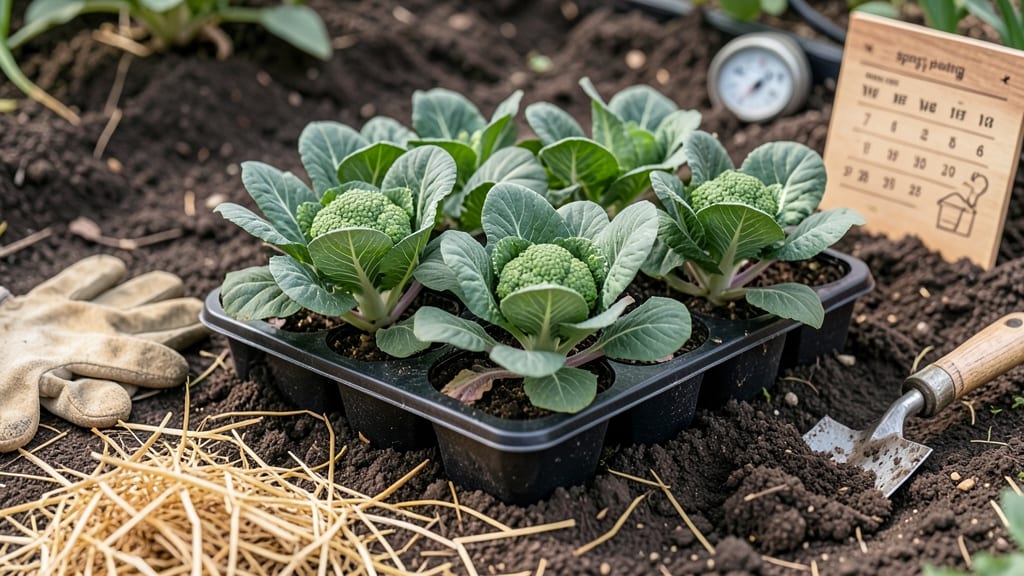
Timing your cauliflower 🥬 planting in Zone 7 can mean the difference between a bumper crop and a disappointing harvest. This cool-weather veggie demands precision—plant too early, and you risk bolting; too late, and you might miss the sweet spot for flavorful heads.
If you're in Zone 7, the ideal windows are early spring (March-April) or late summer (August-September). But here's the catch: soil temperatures and frost dates play a huge role. I'll break down exactly when to start seeds indoors and when to transplant for maximum success.
Don't worry if you're new to gardening—I'll cover everything from frost protection to succession planting tips. By the end, you'll know exactly when to plant for crisp, harvest-ready cauliflower heads, whether you're going for spring or fall crops.
Ready to grow your best cauliflower yet? Let's dive into the perfect planting schedule tailored just for Zone 7 gardeners like you.
Best planting windows for cauliflower in Zone 7 (with temperature guides)
Cauliflower in Zone 7 thrives when planted during cool seasons, avoiding the heat that triggers bolting. The two ideal windows are early spring (March-April) and late summer (August-September). Timing these correctly ensures frost-free growth and optimal head formation.
In Zone 7, the last frost typically occurs around April 15, and the first frost arrives by October 15. This gives you a 180-day frost-free window, perfect for two planting cycles.
Spring plantings should start 4-6 weeks before the last frost, while fall plantings need to finish heads 60-75 days before frost.
Soil temperature is critical—cauliflower seeds won’t germinate well below 40°F, and young plants struggle in temperatures above 80°F. Aim for soil temps between 50°F and 75°F for best results. Use these guidelines to plan your Zone 7 cauliflower schedule:
| Planting Window | Soil Temp | Frost Consideration | Maturity Goal |
|---|---|---|---|
| Early Spring (March 1-15) | 50-65°F | Avoid frost after transplant | Harvest by June 1 |
| Late Spring (April 1-15) | 60-70°F | Transplant after last frost | Harvest by July 15 |
| Late Summer (August 1-15) | 65-75°F | Finish heads before frost | Harvest by October 1 |
For spring plantings, start seeds indoors 6-8 weeks before transplanting (around February 1-15). Harden off seedlings for 7-10 days before moving them outdoors. In Zone 7, this gives you a May-June harvest window—just in time for summer meals.
If you prefer fall cauliflower, sow seeds directly outdoors August 1-15 for a September-October harvest. This avoids the heat stress of summer and lets you enjoy cool-season crops before winter sets in. Use shade cloth if daytime temps exceed 85°F to protect young plants.
One common mistake is planting too late in spring, which leads to bolting (premature flowering). Another is skipping fall plantings, missing out on a second harvest. Succession planting every 2-3 weeks in spring or staggered fall sowings can extend your harvest season significantly.
To prevent bolting, choose heat-tolerant varieties like 'Snowball Y Improved' or 'Purple of Sicily'. These handle Zone 7 heat better than standard types. Also, keep soil consistently moist—drought stress accelerates bolting. Mulch with straw or grass clippings to retain moisture and regulate soil temperature.
For indoor starts, use grow lights if natural light is limited. Seedlings need 12-14 hours of light daily to prevent leggy growth. Transplant outdoor seedlings on overcast days or in the late afternoon to reduce shock. Water deeply after transplanting to help roots establish.
Monitor your Zone 7 microclimate—some areas may experience earlier frosts or hotter summers. Adjust planting dates 1-2 weeks earlier or later based on your local frost history. Use a frost calendar or local Cooperative Extension Service data for precise timing.
Best planting windows for cauliflower in Zone 7 (with temperature guides)
In Zone 7, cauliflower thrives in two distinct planting windows: early spring and late summer. The key is avoiding heat stress, which causes bolting. For spring, aim to plant 4-6 weeks before your last frost date (typically mid-April in Zone 7).
For fall, sow seeds 8-10 weeks before the first frost (early September).
Soil temperatures below 60°F (15°C) are ideal for germination. If your soil is warmer, use shade cloth or wait until temperatures drop. I’ve found that starting seeds indoors 6-8 weeks before transplanting gives them a head start in cooler conditions.
Here’s a quick reference for your planting schedule:
| Planting Window | Soil Temp | Action | Notes |
|---|---|---|---|
| Early Spring | 45-60°F (7-15°C) | Start indoors (Feb-Mar) | Transplant after last frost (mid-April) |
| Late Summer | 50-65°F (10-18°C) | Direct sow (Aug-Sept) | Use shade cloth if temps exceed 80°F |
For spring planting, I recommend using row covers or cloches to protect seedlings from late frosts. In my garden, this has helped me avoid losing tender young plants to unexpected cold snaps. Always harden off seedlings for 7-10 days before transplanting to prevent shock.
In late summer, focus on heat-tolerant varieties like 'Purple of Sicily' to improve success. Water deeply in the morning to keep soil cool and reduce stress. Avoid planting too close to summer’s end—you need 60-80 days of growth for a harvest before frost.
Remember, consistent moisture is critical. Cauliflower heads need steady water to stay firm and flavorful. Mulch around plants to retain moisture and keep roots cool during hot spells.
By following these windows and tips, you’ll avoid the common pitfalls of bolting or poor yields. Happy planting—your crisp, homegrown cauliflower is just a few weeks away! 🥬