
Plants
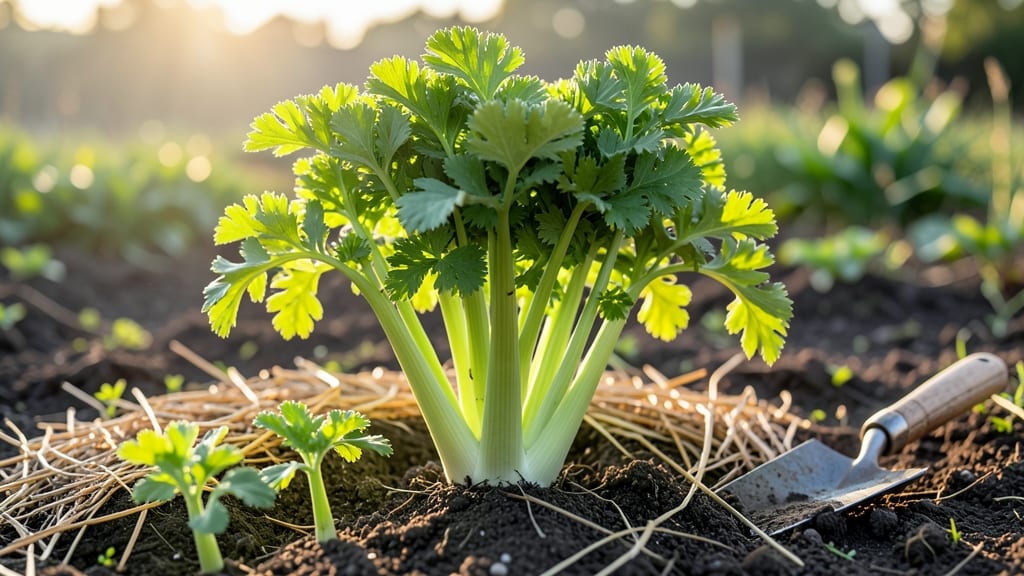
Timing your celery planting in Ohio isn’t just about following a calendar—it’s about outsmarting frost, humidity, and Ohio’s famously finicky spring weather. Get it wrong, and you’ll either lose your crop to early freezes or watch your stalks bolt before they mature.
But with the right strategy, you can grow crisp, homegrown 🥬 that rivals anything from the grocery store.
The key lies in Ohio’s 6a zone and the narrow window between April and June, where soil temperatures finally cooperate. Plant too early, and frost will nip your seedlings; too late, and your harvest arrives just as summer heat sets in.
I’ll break down the exact frost-free dates for your Ohio city, plus how to adjust for microclimates that can shift your planting window by weeks.
Whether you’re starting seeds indoors or transplanting seedlings, this guide covers everything from soil prep to succession planting—so you can enjoy fresh celery from July through October. No more guessing games, just reliable, Ohio-tested advice for a garden full of crisp, flavorful stalks.
Let’s dive into the perfect planting schedule that actually works in Ohio, so you can skip the trial-and-error and get straight to harvesting.
Ohio’s frost-free dates for celery: hardiness zones & local variations
Celery thrives in Ohio’s cool-season windows, but timing is everything. The USDA Zones 5-7 across Ohio mean your last frost date could vary by 2-3 weeks—from early April in southern Ohio to late May in the northeast.
Celery needs 120-150 frost-free days to mature, so missing this window means bitter, spindly stalks or no harvest at all.
Start by checking your local frost dates—Columbus averages April 15 for last frost, while Cleveland’s can linger until May 10. Planting too early risks frost damage, while waiting too long cuts harvest time short.
For Ohio gardeners, mid-April to early June is the sweet spot for spring planting, with a second chance in July for fall harvests.
Here’s how Ohio’s major cities stack up for celery’s 120-150 day growing cycle:
| City | Avg. Last Frost | Spring Planting Window | Fall Harvest Window | Key Challenge |
|---|---|---|---|---|
| Columbus | April 15 | April 15–May 15 | October 1–November 1 | Humidity promotes rot |
| Cincinnati | April 10 | April 10–May 10 | September 20–October 15 | Heat stress in summer |
| Cleveland | May 10 | May 1–June 1 | September 1–October 1 | Late frosts |
| Toledo | April 20 | April 20–May 20 | September 15–October 10 | Soil compaction |
For rural Ohio, like the Appalachian foothills, expect 1-2 weeks earlier frost dates than urban areas. Meanwhile, cities like Columbus and Cincinnati face heat islands that can push soil temperatures too high for celery’s liking. Always test soil temperature—celery roots best when soil is 50°F (10°C) or warmer.
Use USDA Plant Hardiness Zone Map tools to refine your timing. For example, if you’re in Zone 6b, aim for April 25–May 10 for spring planting. Pro tip: Plant near a windbreak to protect tender seedlings from Ohio’s unpredictable late spring winds, which can stunt growth.
Celery’s 120-150 day cycle means you’ll need to plan ahead. In northern Ohio (Zones 5-6), a July 1 planting gives you a fall harvest by October. In southern Ohio (Zone 7), you can stretch this to August 15 for a late-season crop.
Always monitor local weather forecasts—Ohio’s flash frosts in September can derail even the best-laid plans.
If your frost-free window is too short, consider container growing. Celery grows well in 5-gallon pots and can be moved to protected spots during cold snaps. Just ensure pots have drainage holes—celery hates soggy roots.
For Ohio’s variable microclimates, I recommend planting in phases. Start with half your seedlings in early April and the rest 2 weeks later. This staggered approach ensures a continuous harvest and reduces risk from unexpected frost.
Finally, mark your calendar for Ohio’s average first frost dates—Columbus: October 15, Cleveland: October 20. If you’re aiming for a fall harvest, stop planting by August 1 in northern Ohio or August 15 in the south to avoid bolting.
Celery planting strategies for Ohio’s short growing season
Ohio’s short growing season and unpredictable weather demand smart strategies to grow celery successfully. Since celery needs 120-150 days to mature, timing is everything. I’ve tested these methods in my Ohio garden to maximize yields and avoid common pitfalls like bolting or frost damage.
One of my top tricks? Succession planting. Instead of planting all your celery at once, stagger seedlings every 2 weeks after the last frost. This ensures a continuous harvest from July through October, even in Ohio’s variable climate.
For example, if your last frost is April 15, start your first batch in early May, then follow with two more batches in late May and early June.
5 Proven Celery Planting Strategies for Ohio
- 🌱 Start seeds indoors 10-12 weeks before last frost (around February in Ohio). Use seed trays with well-draining soil and keep them under grow lights for 14-16 hours/day.
- 🌡️ Use black plastic mulch to warm soil faster. Lay it down 2-3 weeks before transplanting to raise soil temps to 50°F+, which celery loves.
- 🌿 Transplant seedlings after last frost when soil is consistently 50°F. Space them 12-18 inches apart in rows 18-24 inches apart for optimal airflow.
- 🛡️ Protect young plants with row covers if frost threatens. Even a light frost can damage tender celery, so have covers ready for late spring surprises.
- 🌾 Plant a second crop in late July for a fall harvest. Choose quick-maturing varieties like 'Tall Utah' or 'Golden Self-Blanching' to beat Ohio’s first frost.
Another game-changer is soil preparation. Celery thrives in rich, moist, well-draining soil with a pH of 6.0-6.8. Before planting, amend your soil with compost or aged manure to improve fertility. In my garden, I also add a 2-inch layer of mulch (straw or shredded leaves) to retain moisture and suppress weeds—critical in Ohio’s hot, dry summers.
If you’re short on space, consider container growing. Celery does well in 5-gallon pots or larger, as long as they have drainage holes. Just ensure the container gets full sun and water consistently—containers dry out faster than garden beds.
I’ve grown celery in containers on my patio with great success, even in urban Columbus.
Finally, watch for bolting, where celery prematurely flowers due to heat stress. To prevent this, keep plants consistently watered and avoid planting in late summer when temps rise above 80°F.
If you notice stalks elongating too quickly, harvest immediately or shade the plants with lightweight fabric to cool them down.
With these strategies, you’ll avoid the common mistakes that leave Ohio gardeners frustrated—and enjoy a bounty of crisp, homegrown celery all season long. 🥬