
Plants
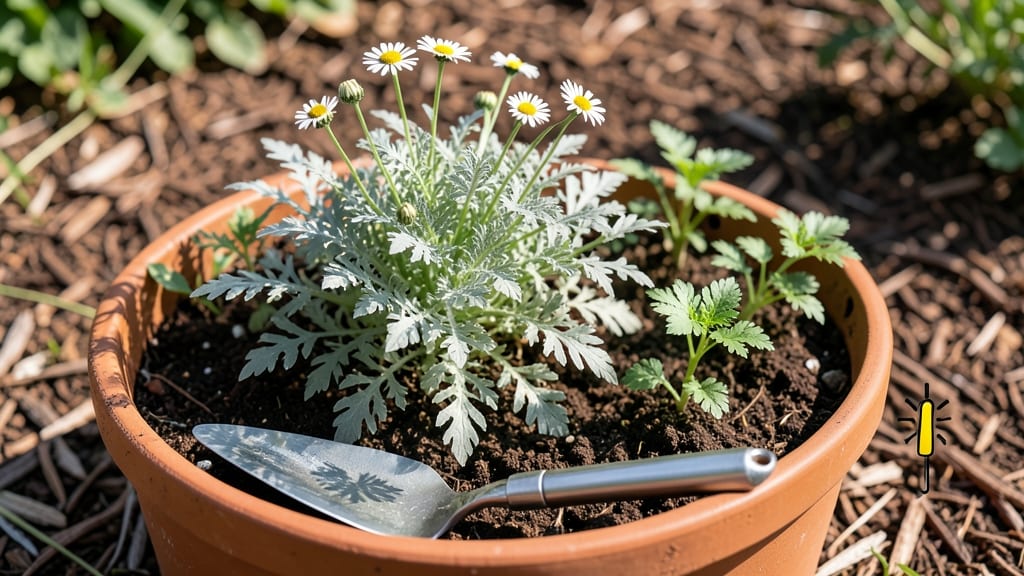
If you've ever wondered when to plant chamomile in Texas for lush, drought-resistant blooms, timing is the secret weapon in your gardening arsenal. Texas's extreme heat and unpredictable weather can make or break your chamomile's success, but with the right schedule, you'll enjoy those delicate 🌼 flowers year-round.
Most Texas gardeners swear by fall planting—between September and November—when temperatures start cooling down. This gives your chamomile roots time to establish before winter, while avoiding the brutal summer heat. But spring planting (February-March) also works if you're in warmer zones like South Texas, where frost is rare.
The key is understanding your specific USDA zone—whether you're in 8a (North Texas) or 11 (South Texas)—since frost dates vary wildly. Plant too early, and you risk heat stress; too late, and winter might stunt growth.
We'll break down the exact windows for your region so you never miss the perfect moment.
Once you nail the timing, chamomile becomes one of the easiest herbs to grow in Texas. With minimal watering needs and natural pest resistance, it thrives where other plants struggle. Let's dive into how to set yourself up for a harvest that lasts from spring to fall.
Best months to plant chamomile in Texas for optimal growth
Texas’s diverse climate zones—from North Texas’s chilly winters to South Texas’s long summers—mean chamomile planting times vary dramatically. To maximize drought-resistant blooms and year-round harvests, timing is critical. Fall planting is my top recommendation for most Texans, but spring works too, depending on your zone.
Chamomile thrives in USDA zones 8a-11, but Texas’s variable frost dates create challenges. In North Texas (zone 8a), first frost hits as early as January 1, while South Texas (zone 10a) rarely sees frost.
This means your planting window shifts 6-8 weeks earlier in the north than in the south.
For continuous blooms, I plant chamomile in September-October (fall) and February-March (spring). Fall planting gives roots time to establish before winter, while spring planting avoids summer’s scorching heat. Let’s break down the best months for each Texas region.
🌱 Texas Chamomile Planting Guide by Region
| Region | Best Planting Months | Avoid Planting | First Frost Date | Key Tip |
|---|---|---|---|---|
| North Texas (Zone 8a) | September-October (fall) or February-March (spring) | May-July (extreme heat) | January 1 | Use mulch to protect roots from winter freeze |
| Central Texas (Zone 8b-9a) | August-September (fall) or February (spring) | June-August (100°F+) | December 15 | Plant in raised beds for better drainage |
| South Texas (Zone 9b-11) | August-September (fall) or January-February (spring) | None (year-round possible with shade) | None (rare light frost) | Provide afternoon shade in summer to prevent wilting |
| High Desert (El Paso, Zone 8a) | September-October (fall) or March (spring) | June-July (dry heat stress) | December 1 | Water deeply 2x/week in summer |
In North Texas, I always plant chamomile in late September to give roots time to establish before winter. The soil temperature should be above 50°F—use a soil thermometer to check. For Central Texas, August planting works well, but avoid June-July when temps exceed 100°F.
South Texas gardeners have the luxury of year-round planting, but I still recommend fall (August-September) for the best blooms. The humid coastal climate can lead to fungal issues, so ensure well-draining soil and avoid overhead watering.
In El Paso’s high desert, I plant in September and use mulch to retain moisture.
For spring planting, wait until after the last frost—typically February-March in North Texas and January-February in the south. Chamomile is drought-tolerant once established, but young plants need consistent moisture. I water deeply 2-3 times per week after planting to encourage root growth.
Pro tip: If you want continuous blooms, I plant half in fall and half in spring. This succession planting strategy ensures flowers from April-May and September-October. Just remember—Texas heat can be brutal, so always plant in partial shade during summer months.
Before planting, amend your soil with compost to improve drainage—chamomile hates soggy roots. A slightly alkaline pH (6.5-7.5) works best. In heavy clay soils common in East Texas, I mix in sand or perlite to prevent compaction.
Finally, chamomile is perennial in Texas, meaning it returns yearly if cared for properly. With the right planting timing and seasonal adjustments, you can enjoy fragrant blooms almost year-round—even in our harshest summers! 🌼
Best months to plant chamomile in Texas for optimal growth
Texas's diverse climate—from North Texas's chilly winters to South Texas's scorching summers—means chamomile planting times vary dramatically. The golden rule? Plant 6-8 weeks before your first frost in fall or after your last frost in spring.
For most Texans, that’s September-November for fall or February-March for spring, but your exact zone matters.
In North Texas (USDA 8a), where frost can hit as early as January, aim for September planting to give roots time to establish before winter. Meanwhile, South Texas (USDA 10b-11) gardeners can plant through November or even January—frost is rare, but heat stress is the bigger enemy.
Central Texas (USDA 8b-9a) falls in between, with October-November being ideal for fall planting. The key is avoiding extreme summer heat (above 90°F) or early spring freezes, which can shock young plants.
For year-round harvests, I recommend succession planting: Start with fall seeds, then add another batch in late winter (January-February) for spring blooms. This works especially well in South Texas, where winter is mild enough for chamomile to thrive year-round.
Pro tip: Soil temperature matters just as much as air temperature. Chamomile seeds germinate best in 60-70°F soil. Use a soil thermometer to confirm—if it’s cooler, wait a few days or use a cold frame to warm the soil faster.
Once planted, mulch heavily (2-3 inches of straw) to retain moisture and regulate soil temps. This is non-negotiable in Texas’s dry, hot summers—chamomile’s shallow roots need consistent moisture to avoid stress.